January 6, 2026
Inside the McKelvy Scholars program: Where intellectual community thrives
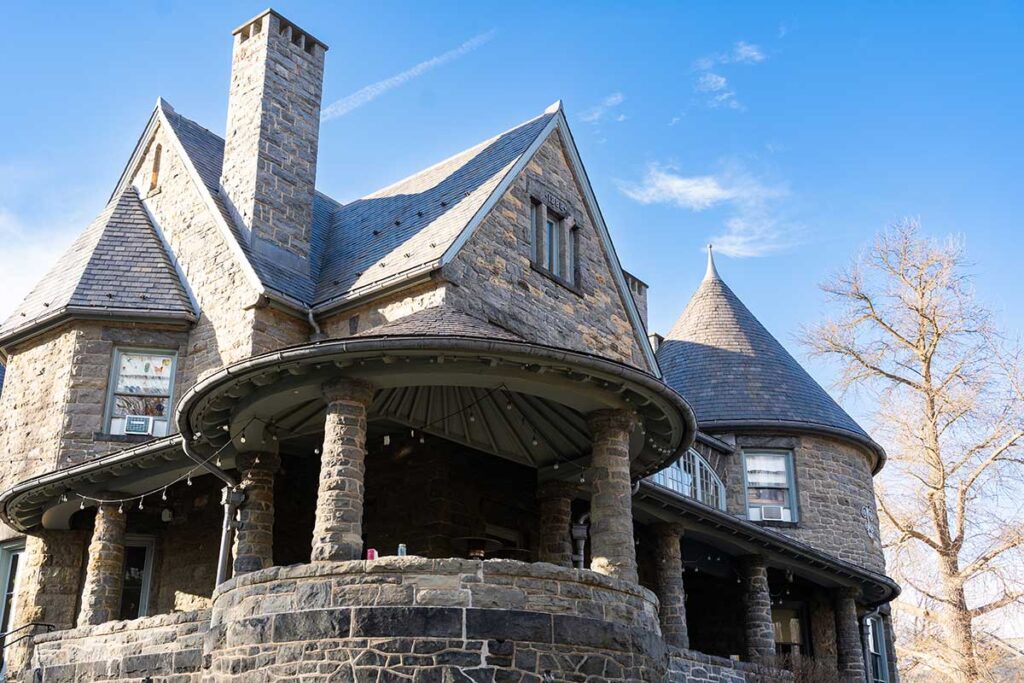
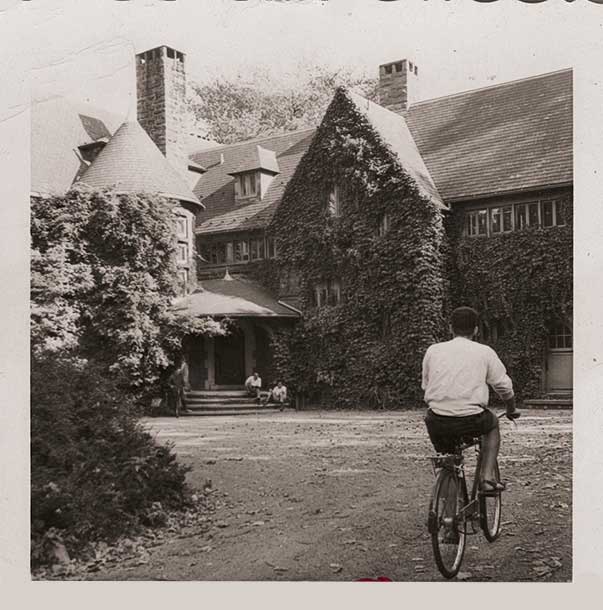
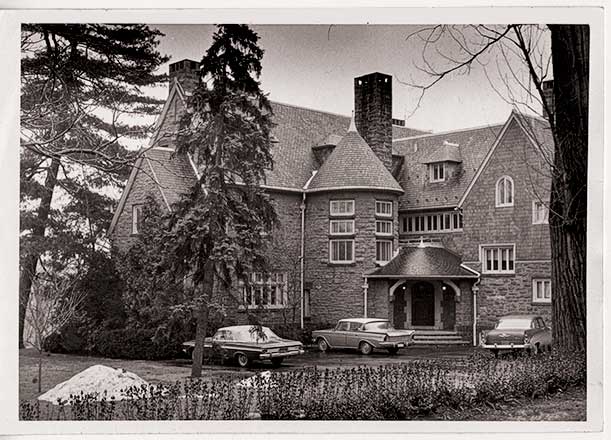
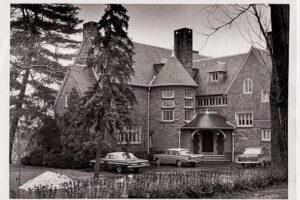
Acquired by the College in 1960, the McKelvy House was designed by architectural firm McKim, Mead, & White, famously known for designing Penn Station, Madison Square Garden, the arch at Washington Square Park, and other landmarks around New York City and the world. | Photo by JaQuan Alston
By Stella Katsipoutis-Varkanis
Tucked away in a quiet corner of College Hill—steps from the Delaware River and a short stroll from Lafayette’s campus—stands a 19th-century mansion that houses what Prof. Benjamin Cohen describes as the epitome of the liberal arts ideal: the McKelvy Scholars program.
Founded in 1961 as a community for intellectually curious students, McKelvy has become “the premier community at the College that represents everything Lafayette values,” says Cohen, a historian who is professor and chair of Engineering Studies, and resident faculty adviser since 2022. “It’s interdisciplinary, diverse, leadership-oriented, curious, ambitious, creative, and active. Scholars come from different majors and backgrounds, yet they meet on equal footing—engaging in important conversations and collaborating to create a unified whole representing the best of Lafayette.”
Prospective McKelvy Scholars must be nominated by a professor, and then complete an application and interview process, before ultimately being selected by current members. Among Lafayette’s four scholar programs—McKelvy, Marquis, Posse, and CaPA—McKelvy is the only one governed entirely by its students.
“Being chosen by your peers is a true badge of honor,” Cohen says. What the program looks for in candidates, he explains, is intellectual ambition, creative energy, and a desire to contribute to the community both on campus and across the Lehigh Valley. And while grades aren’t part of the selection criteria, McKelvy Scholars consistently hold one of the highest group GPAs on campus.
Scholars excel in far more than academics: Collectively, they’re also deeply involved in virtually every aspect of campus life—from athletics and research, to leadership roles in student organizations and more. “They’re integrated into everything, to a higher degree,” Cohen says. “That doesn’t happen accidentally; they make it happen. They’re taking the ideals they’re pursuing in McKelvy and spreading them throughout the community.” Many have earned prestigious awards, like Rhodes, Fulbright, Truman, Goldwater, and Obama-Chesky Voyager scholarships, and are often nominated or selected for the College’s highest honor, the Pepper Prize.
For members, the McKelvy House is the epicenter of their scholarly development. It’s where they cultivate their intellectual and creative prowess, broaden their perspective, build camaraderie with peers, forge connections with faculty and alumni, and engage with the campus and broader community.
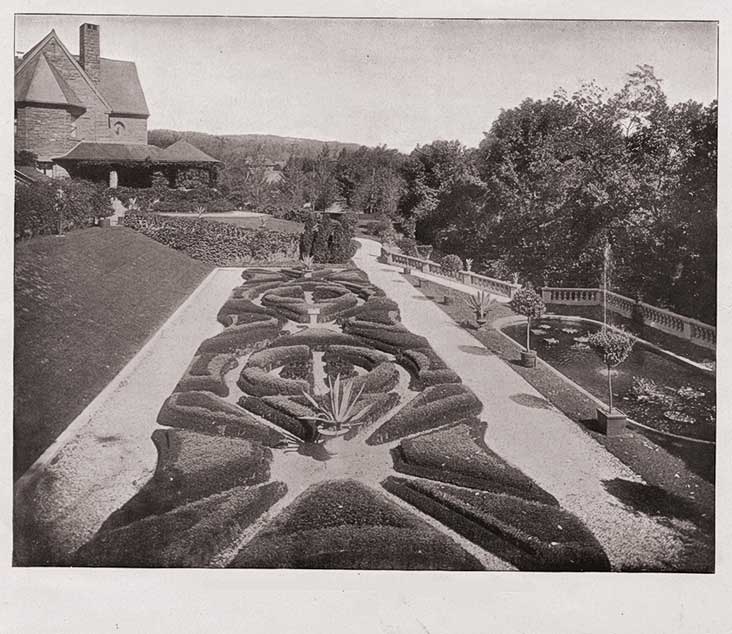
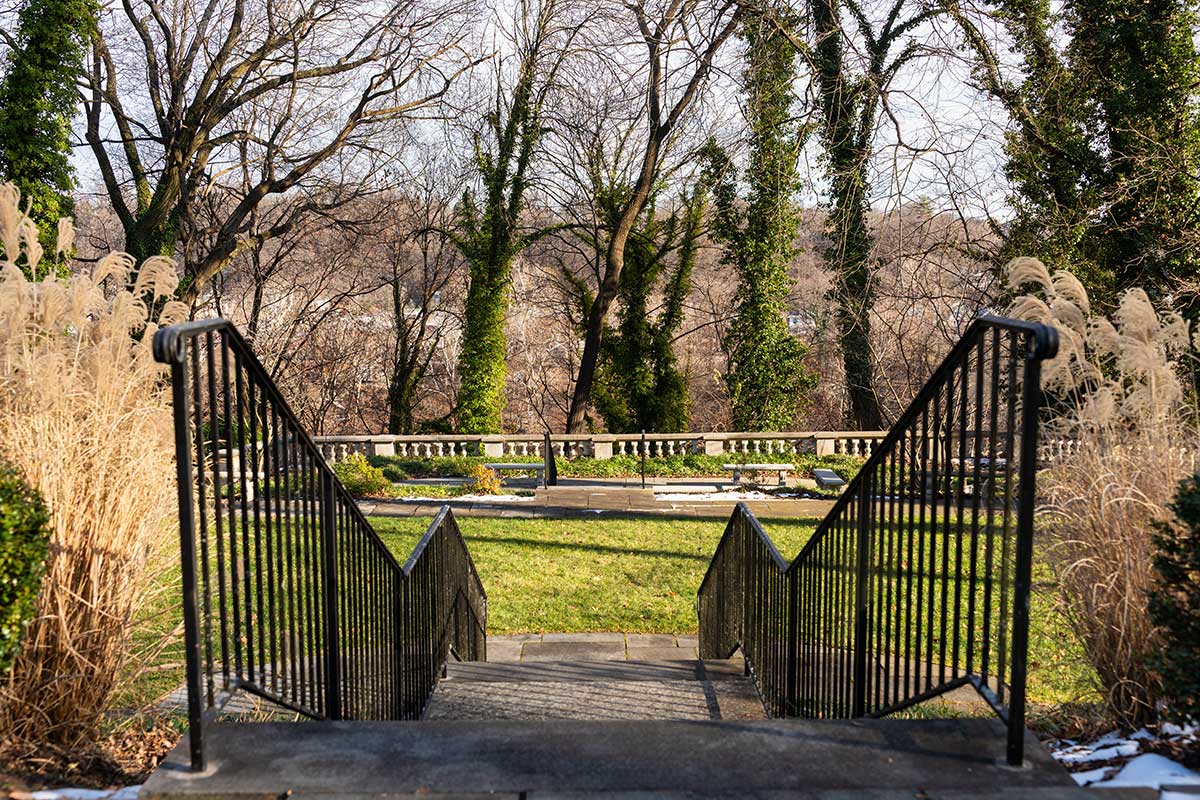
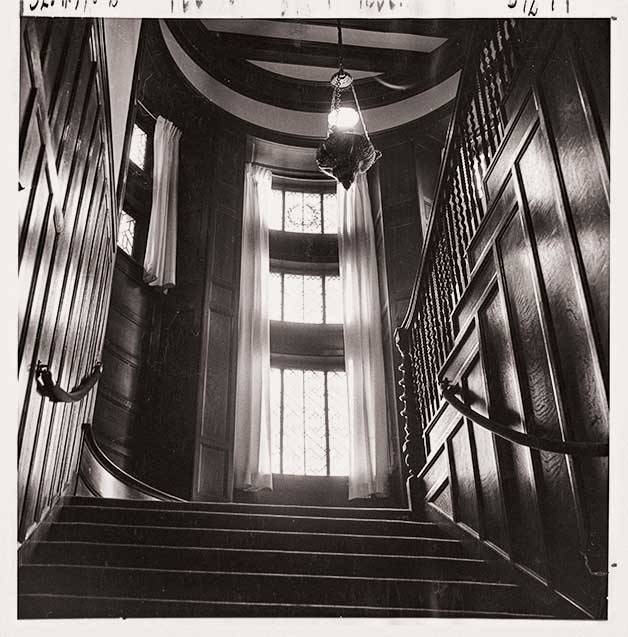
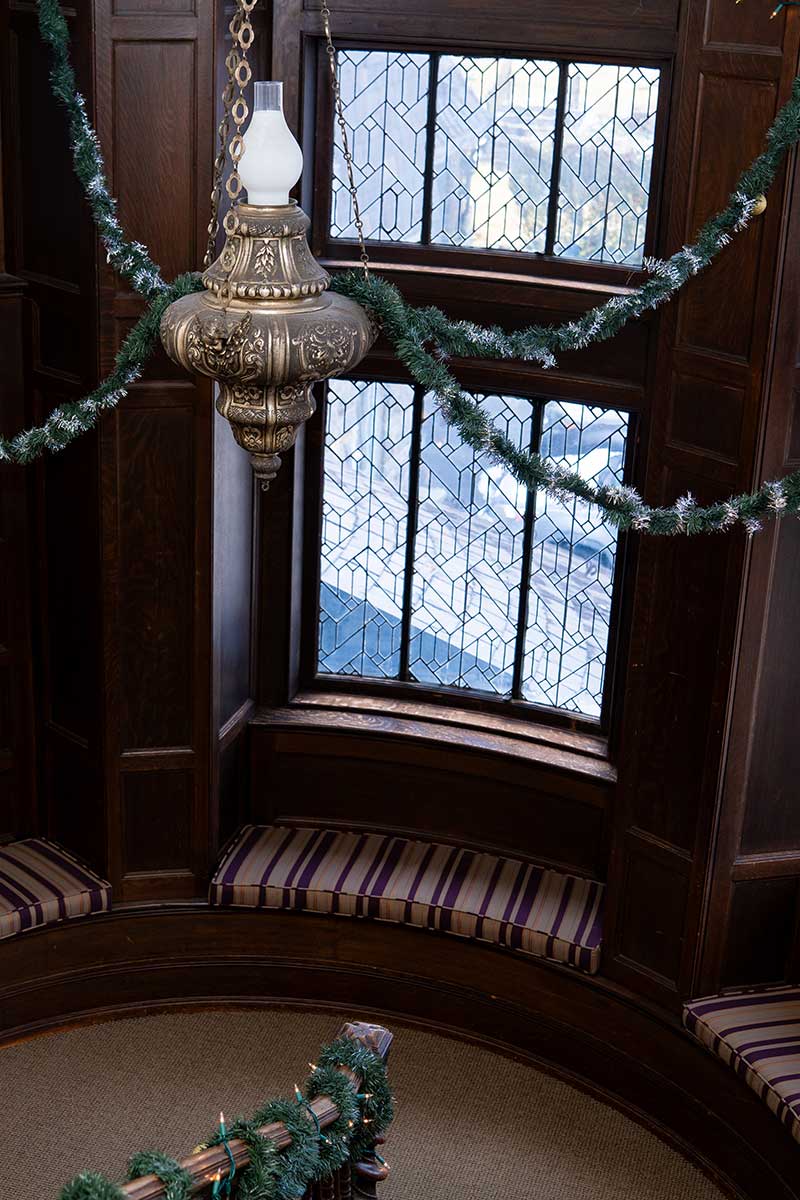
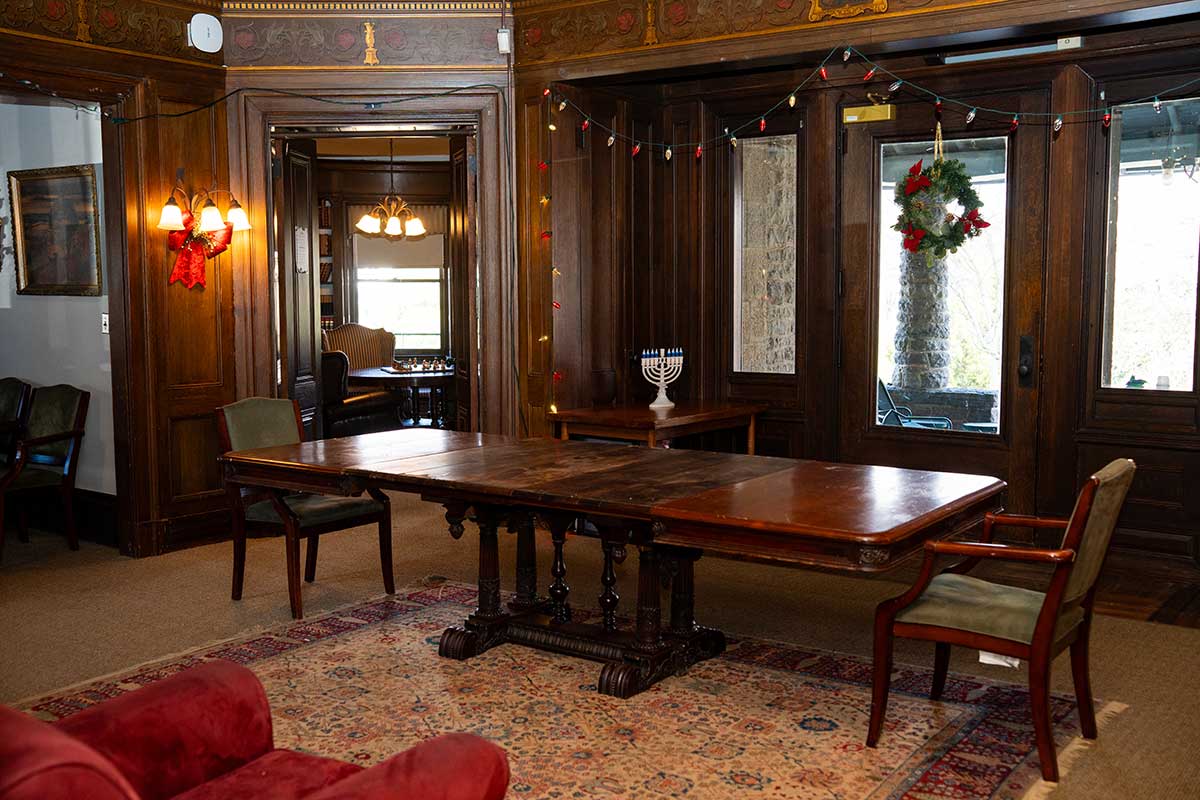
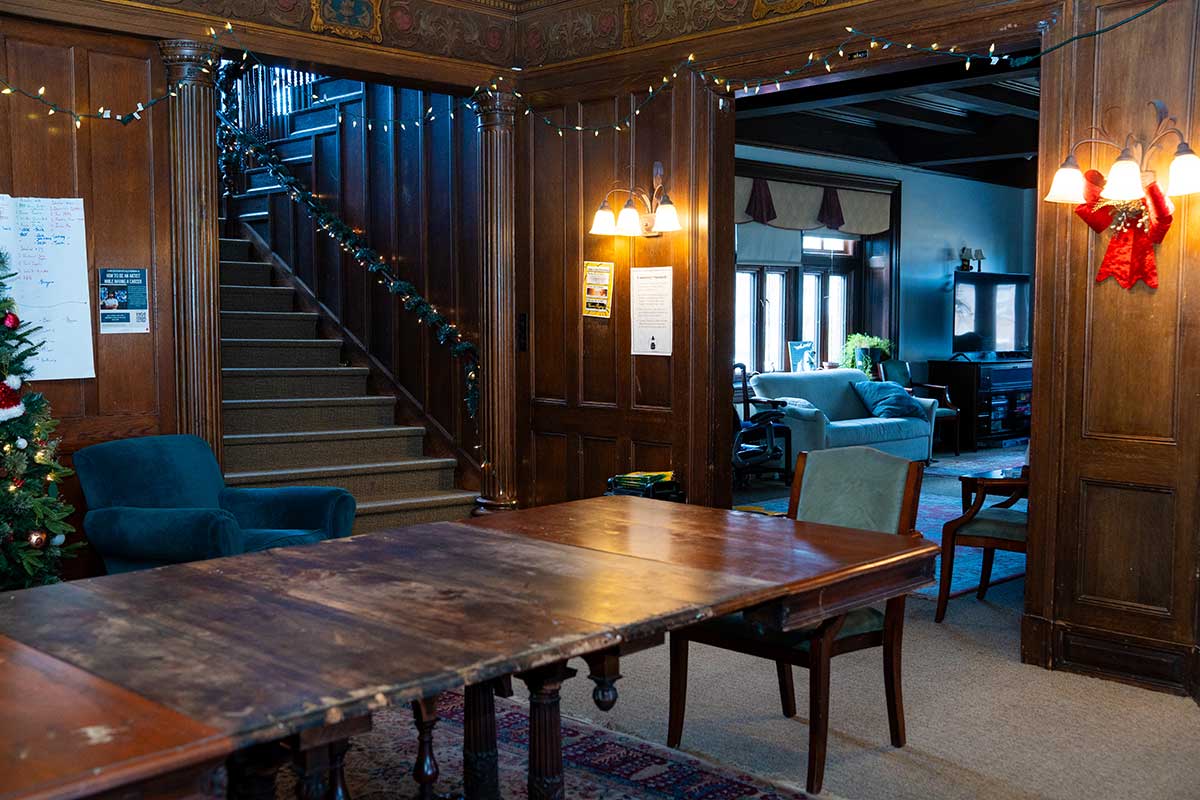
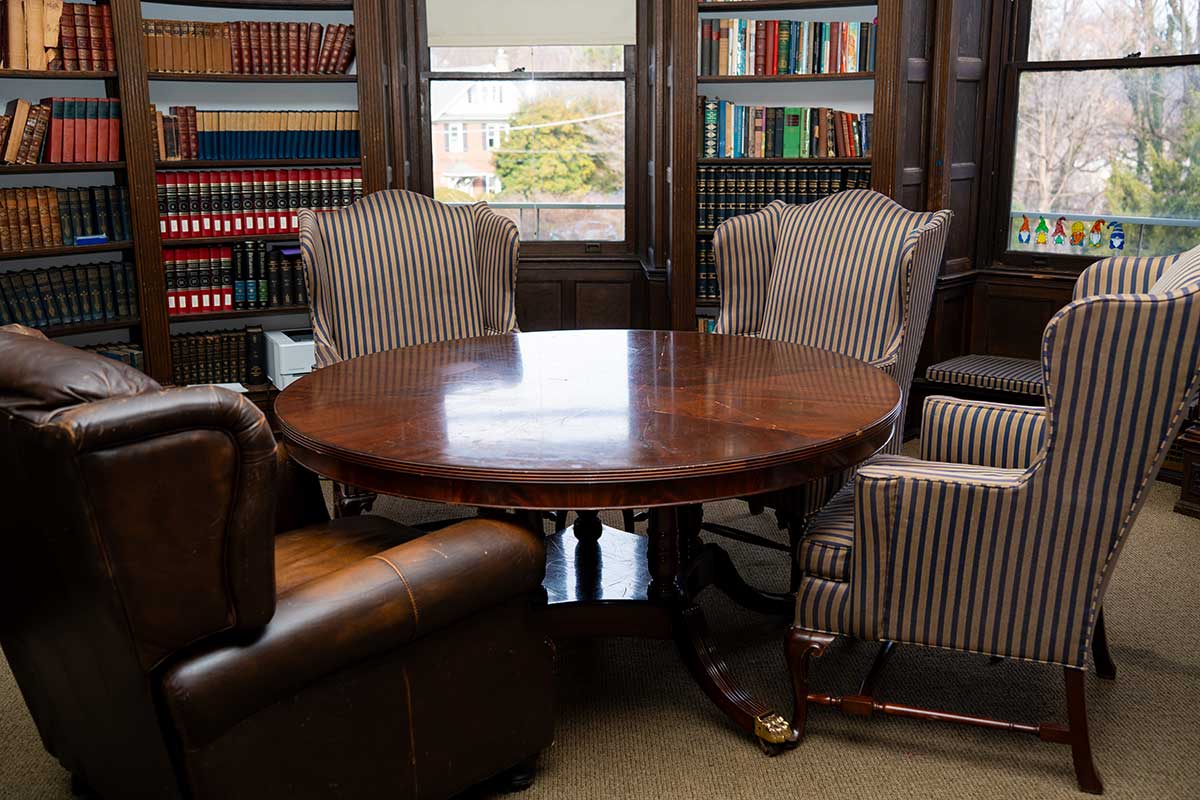
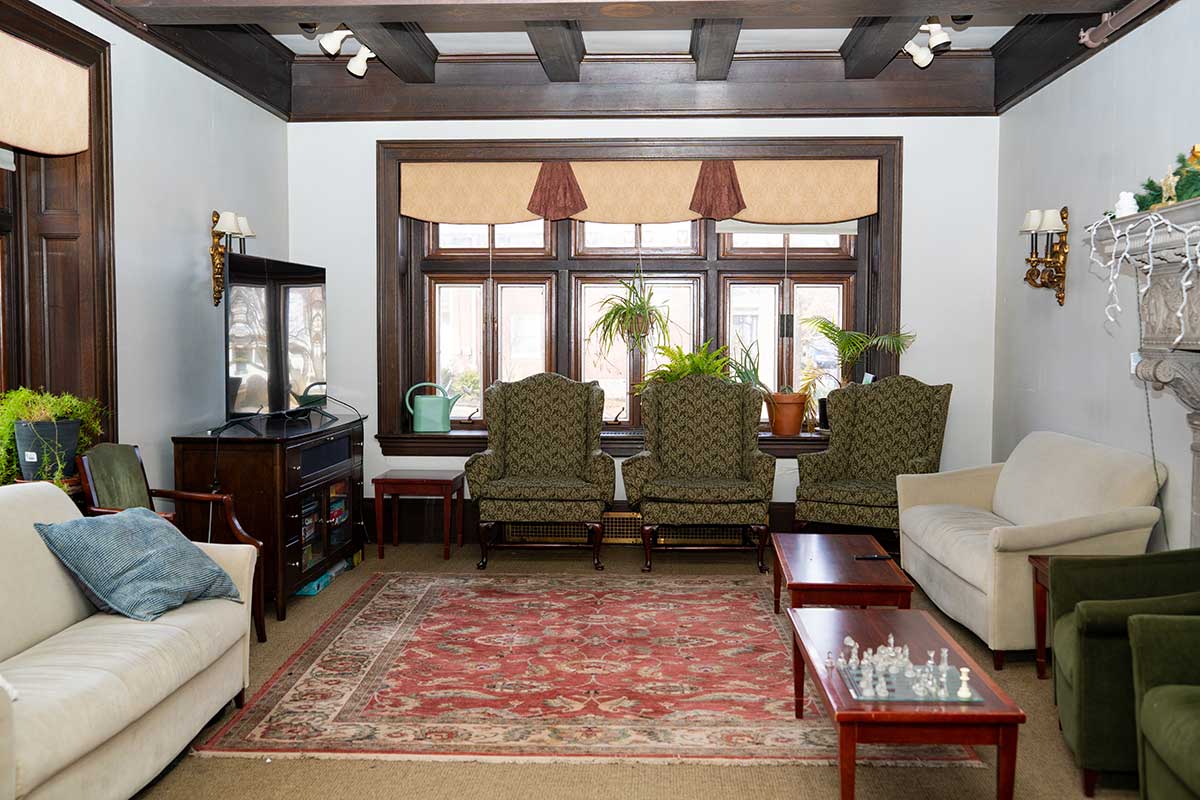
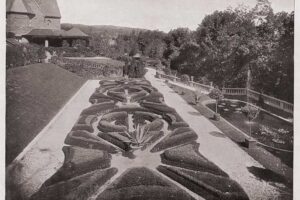
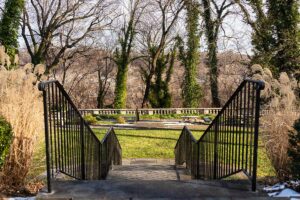
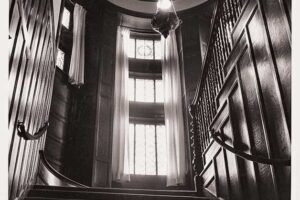
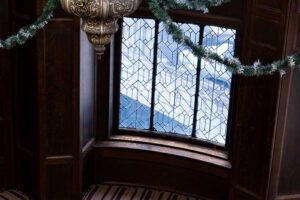
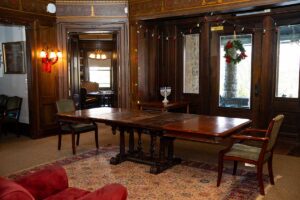
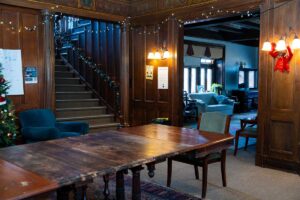
Originally named the Oakhurst Mansion and designed by famed architect Stanford White, the house was acquired by the College in 1960. Today, it retains its historic charm while offering a modern living space for scholars and the resident adviser. The four-story home features a library, living room, kitchen, and picturesque gardens. Here, scholars study, host dinners and events, celebrate holidays, and engage in the kind of ongoing dialogue that defines the McKelvy experience.
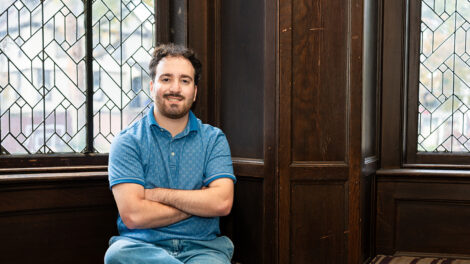
Benjamin Cohen (left), historian, and professor and chair of Engineering Studies, has been the McKelvy resident faculty adviser since 2022. Jack Delaney ’26 (middle) and Benjamin Risley ’26 (right), the program’s co-presidents, are currently working alongside Cohen to develop a McKelvy alumni association. | Photo by JaQuan Alston
“Having a space off campus that’s like our own home—that closeness of community—is what has made McKelvy so special to me,” says Jack Delaney ’26, a biochemistry major and co-president of the program. “You can just knock on each other’s door whenever you need help or just want to talk. I found some of my closest friends here.”
Having a resident adviser also was a formative aspect of living in the house, adds McKelvy alum John O’Keefe ’96, former vice president for Information Technology Services and chief information officer at Lafayette, now inaugural executive director of facilities information technology at Princeton University. “My advisers were impactful mentors and transformed my Lafayette experience in profound ways,” he says. “They were instrumental in sharpening my ability to present arguments, write, lead, and facilitate discussion. Their guidance was instrumental in my early career.”
McKelvy’s most recognizable tradition is its weekly Sunday discussions, which are open to the entire Lafayette community. Members take turns hosting these evenings: They choose a topic, gather reading materials, and prepare or order dinner. True to the liberal arts spirit, discussion topics challenge participants to think outside of their academic disciplines.
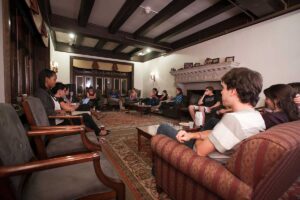
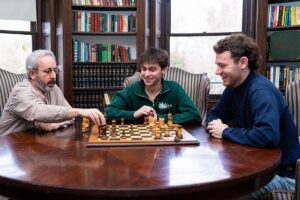
Sunday discussions are a hallmark of the McKelvy experience. Each week, scholars invite the Lafayette community to come together at the house to discuss hard-hitting political or cultural topics and enjoy dinner. | Photo by Chuck Zovko
“Discussions usually center around hard-hitting political and cultural topics,” Cohen says. “People from all over campus come together, bringing their own experiences and skills to the table, to talk about a subject at the highest level. We dig into difficult conversations and try to get a sense of why these issues are challenging—and how we can work on them.”
Taking part in these dialogues, Delaney says, has not only taught him the value of his own experiences, but also “how to effectively communicate, respectfully listen to people, and navigate difficult topics and disagreements. Those are all invaluable skills I’ll bring with me when I get a job someday.”
Having the opportunity to take the reins and lead these debates, O’Keefe says, helped him develop his voice as a leader and better navigate the complexity of diverse viewpoints—skills that were vital to his career. “My ability to hear, distill, debate, and present a solution is something that, for me, started at McKelvy on Sunday nights,” he says. “And coming together to break bread after those discussions, sharing food from different cultures and discussing its meaning, was a special experience I still value and appreciate.”
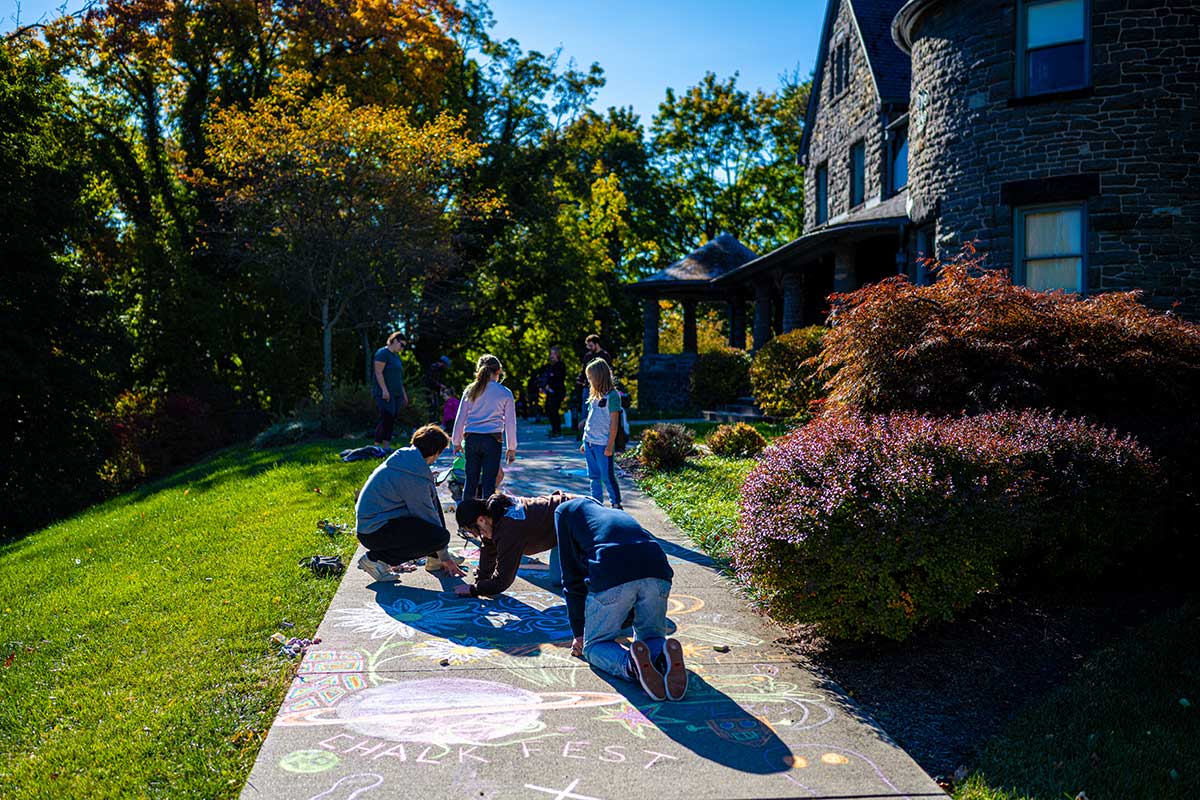
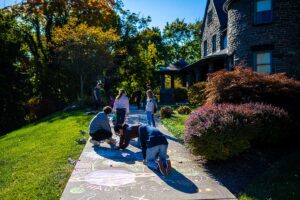
Beyond Sunday discussions, scholars organize events throughout the year that open the door to the local community. Easton-area children visit each fall for Chalk Fest, where they create chalk art around the McKelvy grounds. The backyard will sometimes host outdoor film screenings. This year, scholars partnered with the Lafayette Arts Society to transform the mansion into a haunted house, bringing seasonal fun to the neighborhood. Residents can also enjoy the McKelvy House’s Free Little Library year-round.
“We want to share the McKelvy experience with College Hill,” says Benjamin Risley ’26, a government and law and economics double major, and McKelvy co-president. “Because our house is slightly off campus, we’re in a unique position to bridge campus and community.”
Looking ahead, the program aims to strengthen its ties with its broad network of alumni: Cohen, O’Keefe, Delaney, and Risley are currently developing a McKelvy alumni association to expand mentorship and engagement opportunities for scholars. “I’m excited to work closely with McKelvy and offer my support,” O’Keefe says. “It’s a great place for students who are seeking to elevate their academic capabilities, and having this space at Lafayette is critical.”