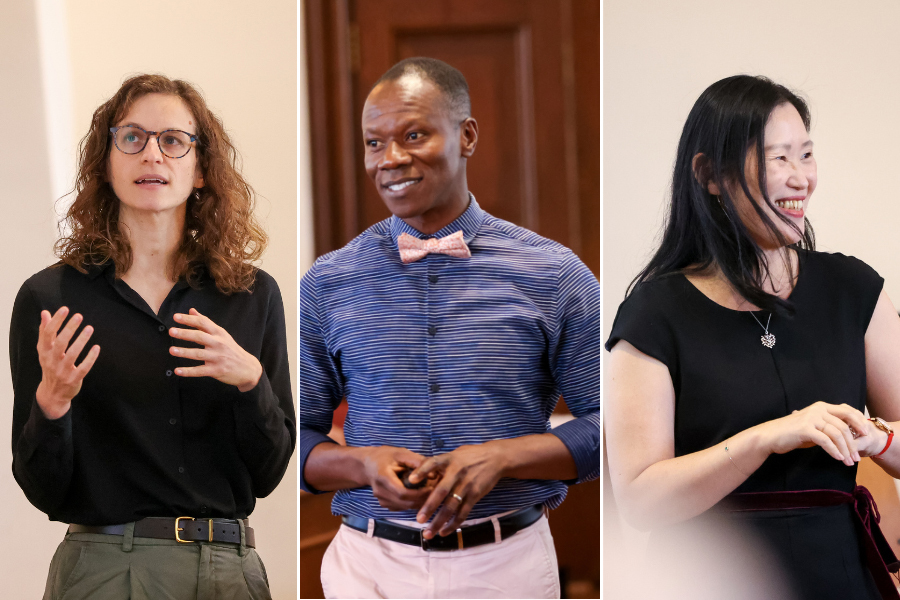
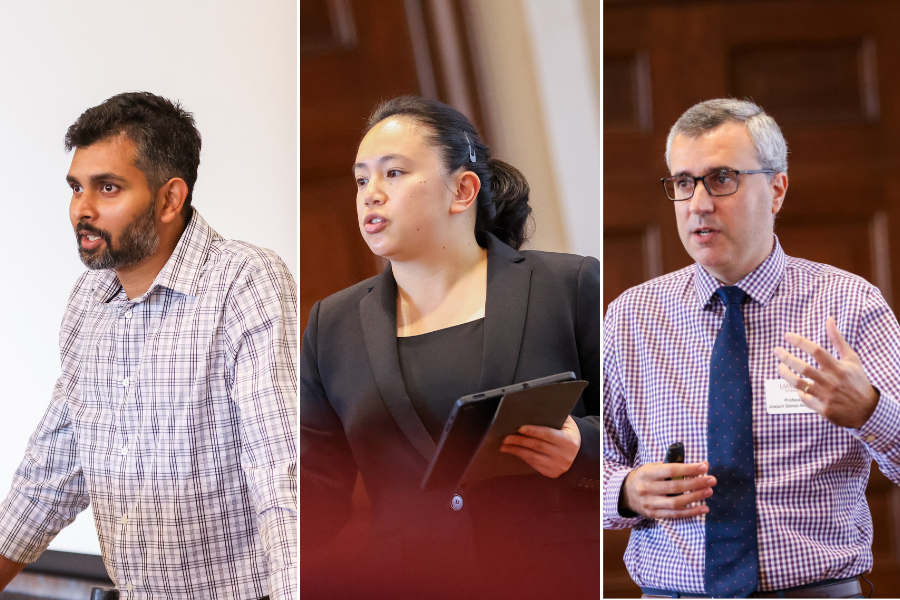
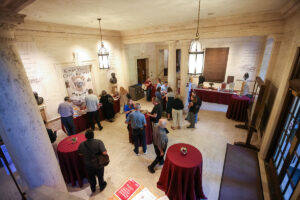
Bringing together faculty, staff, and student scholars representing more than 10 departments and programs, the two-day event approached the topic of democracy from a variety of perspectives
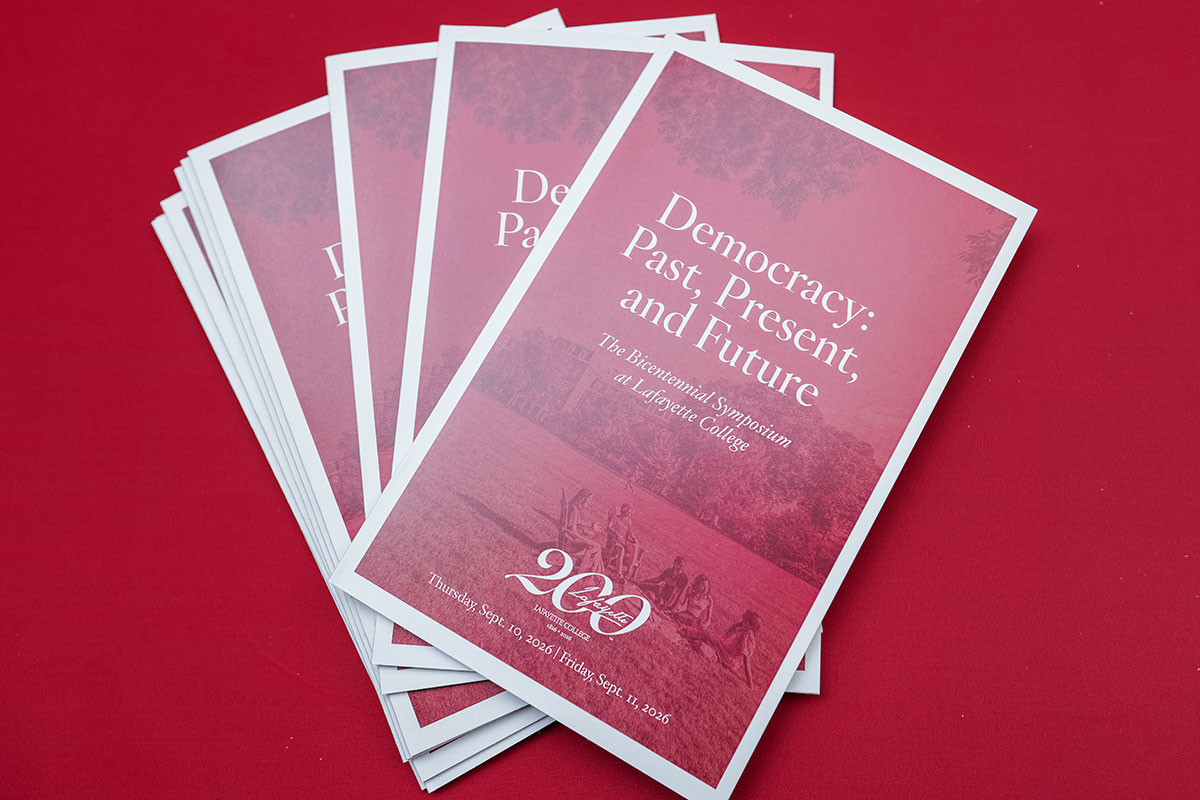
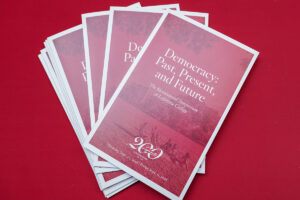
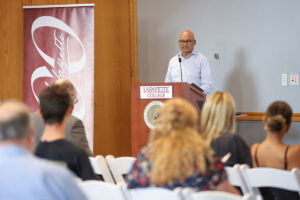
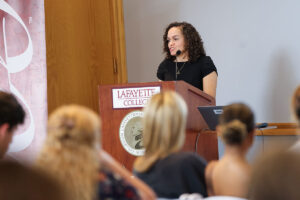
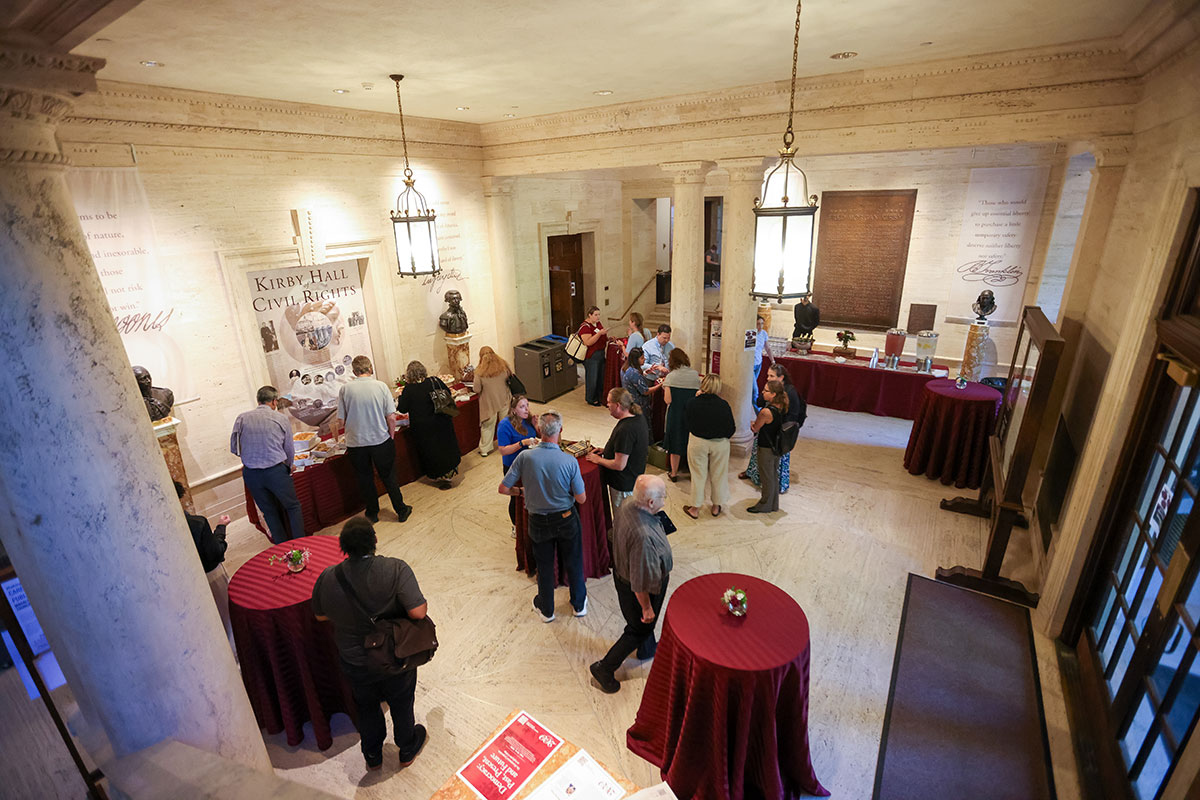
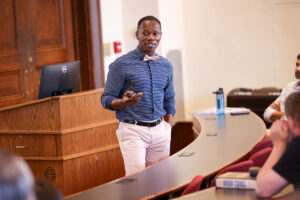
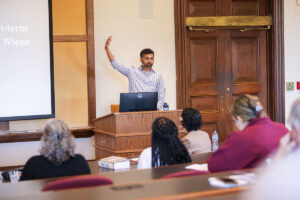
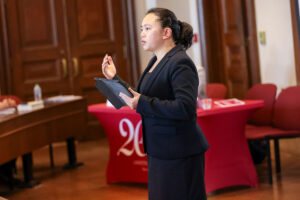
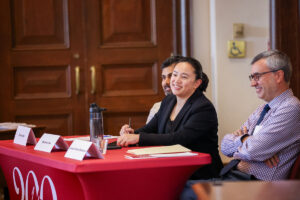
On Sept. 10 and 11, Lafayette College honored its rich academic traditions with a Bicentennial Symposium centered on Democracy: Past, Present, and Future, celebrating the interdisciplinary kinship among faculty who brought their own unique scholarship to bear on one of the most pressing topics facing societies globally.
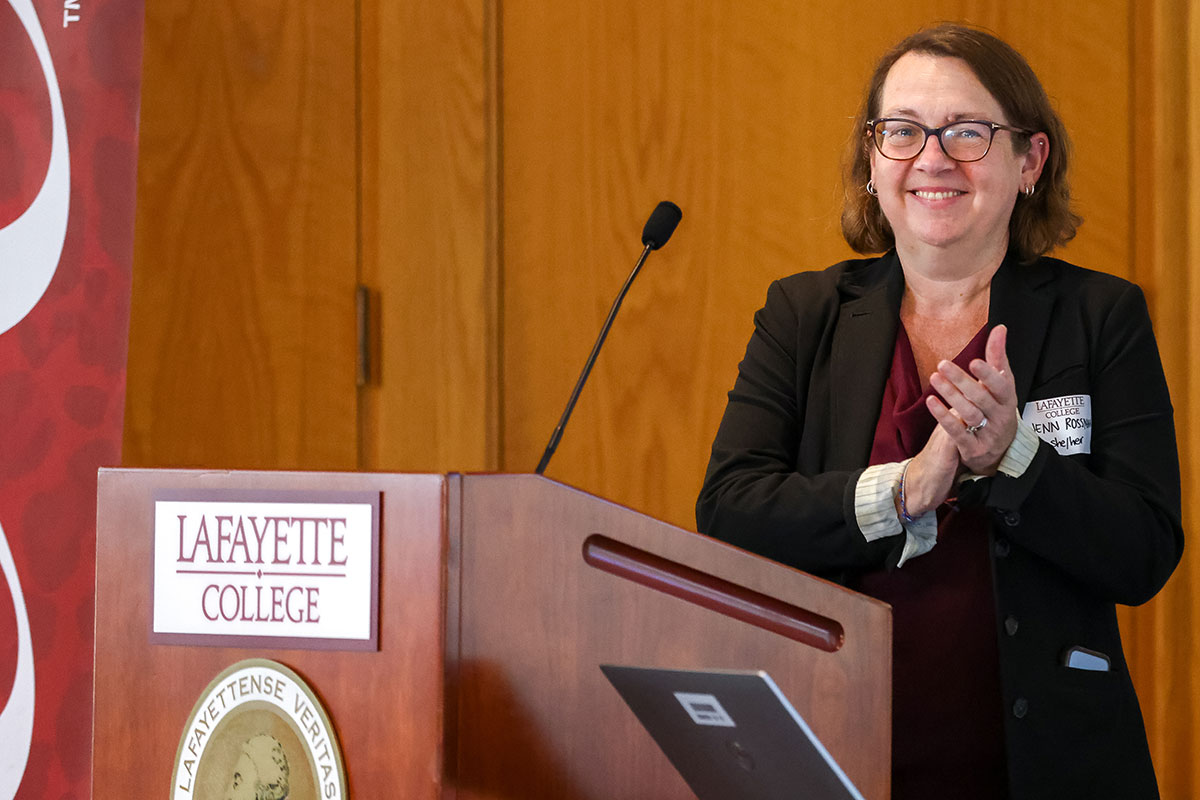
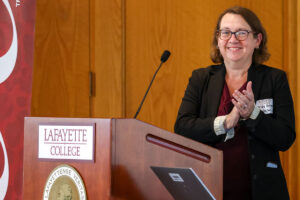
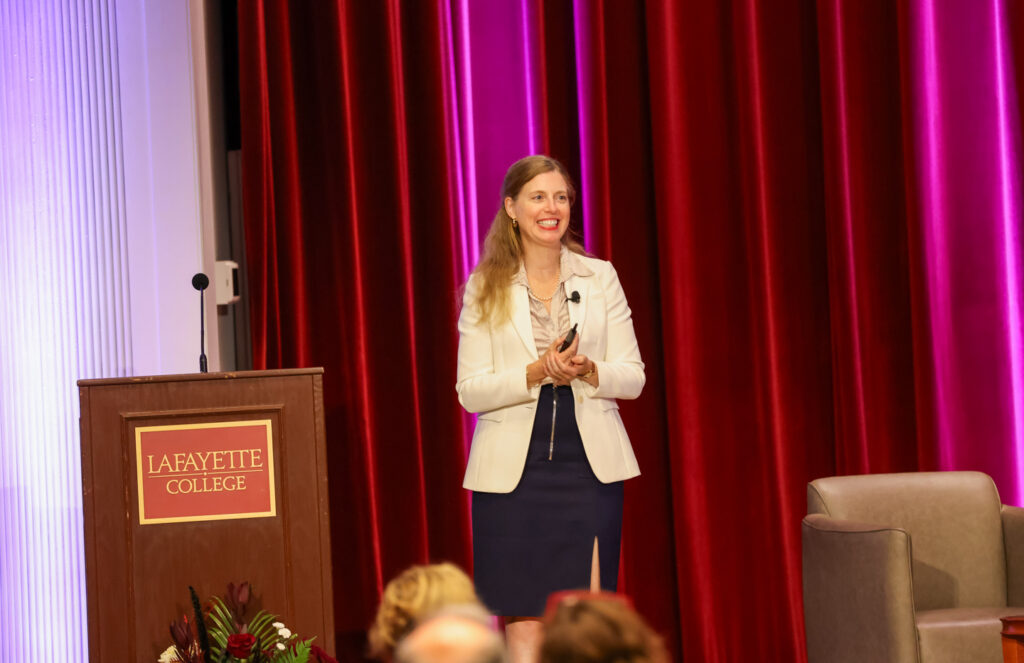
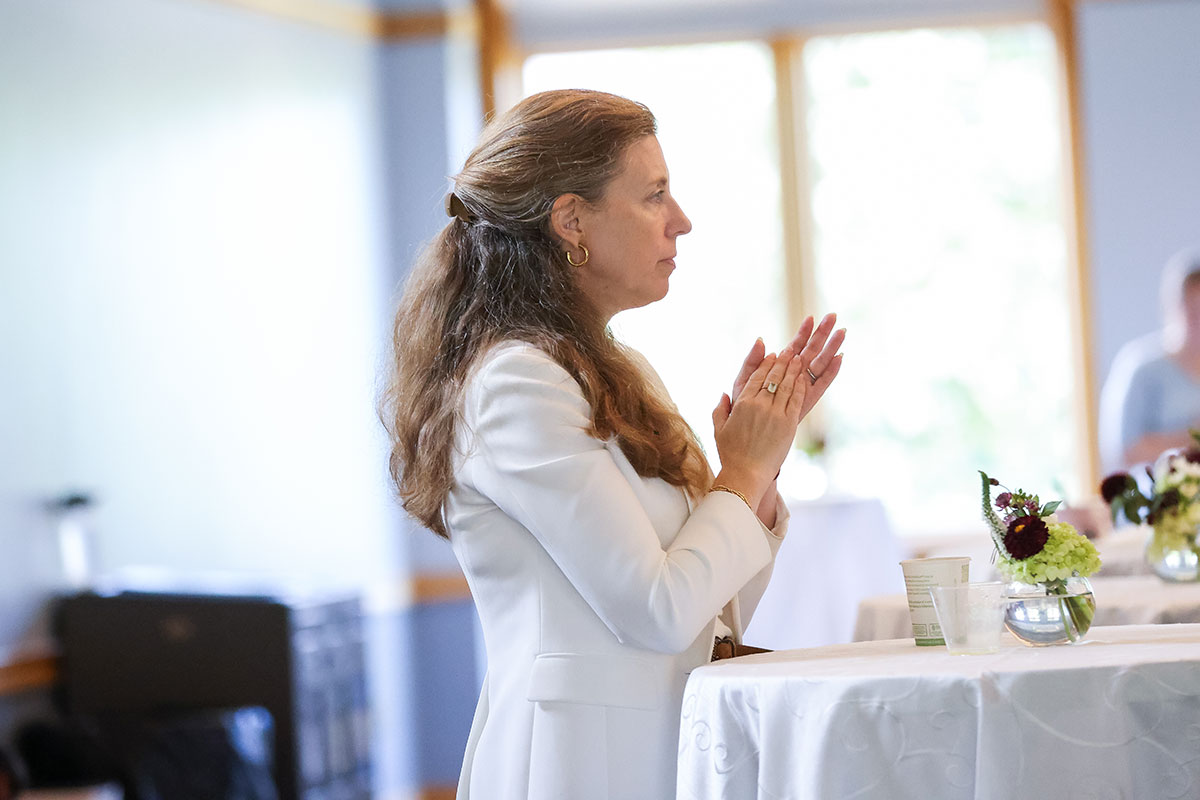
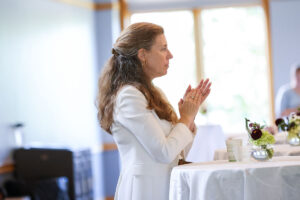
In her welcoming remarks to faculty, students, staff, alumni, and visitors, Provost Laura McGranesaid the symposium, the hallmark academic event of the College’s Bicentennial year, promised a rare opportunity to look backward and forward at the same time, to think about the histories that have shaped the College, and how Lafayette can play a role in helping understand and address the many challenges facing democracy and democratic institutions.
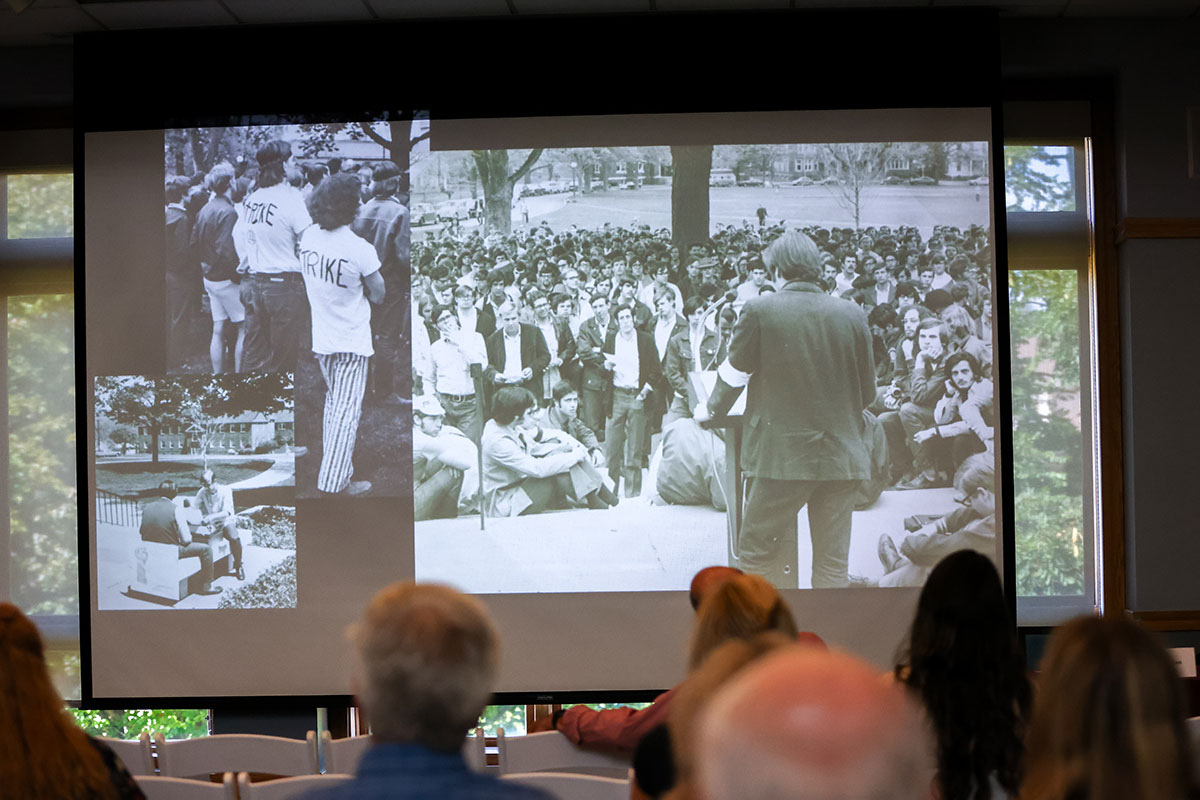
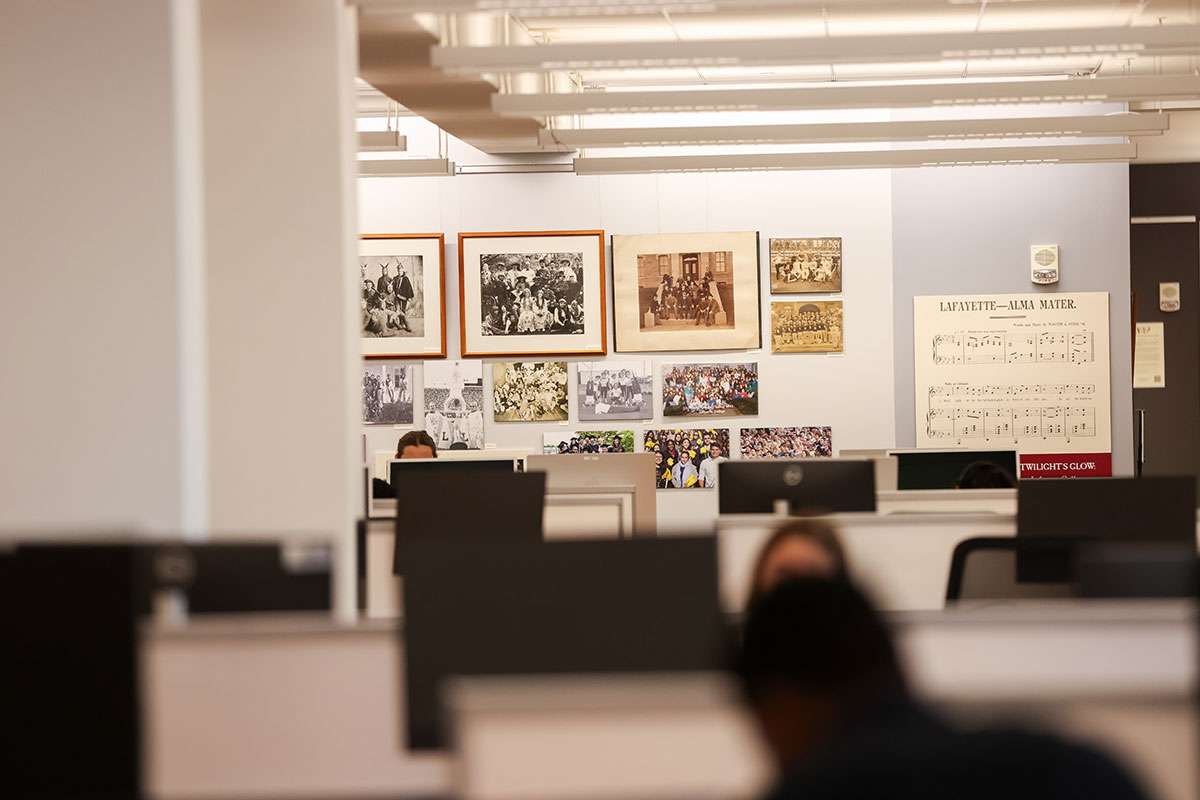
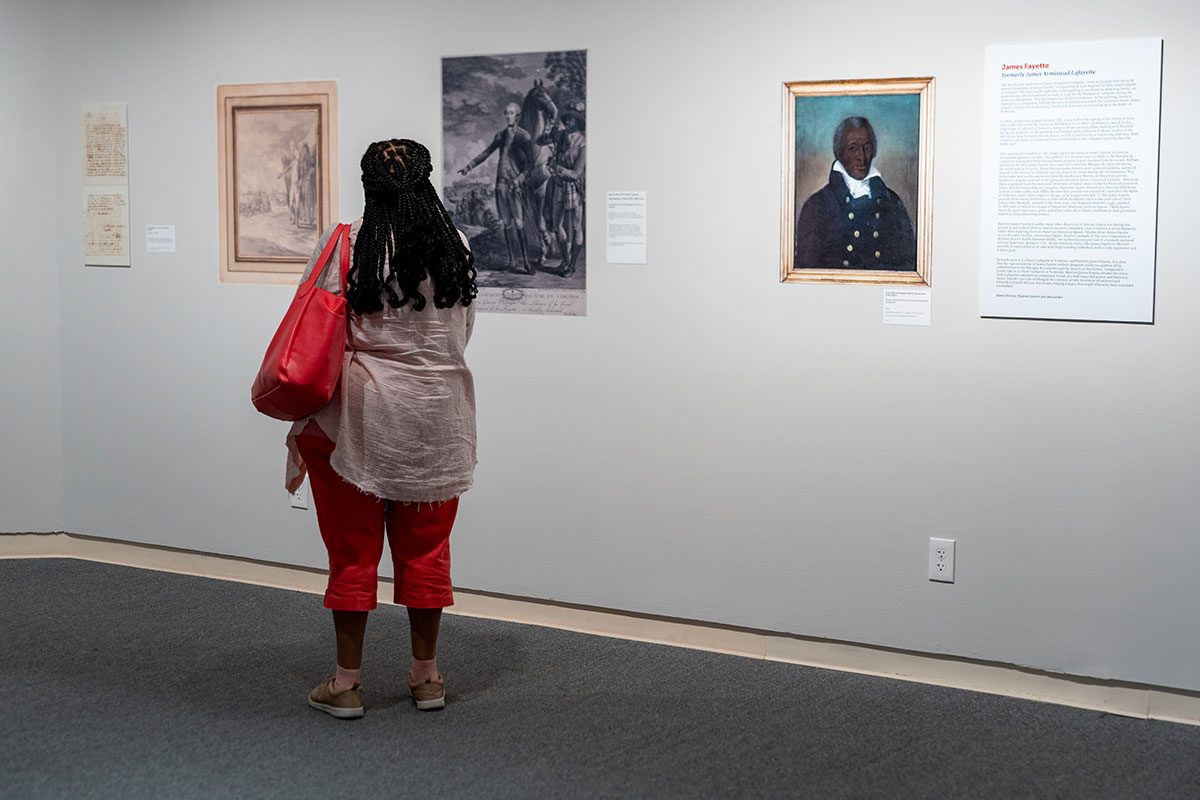
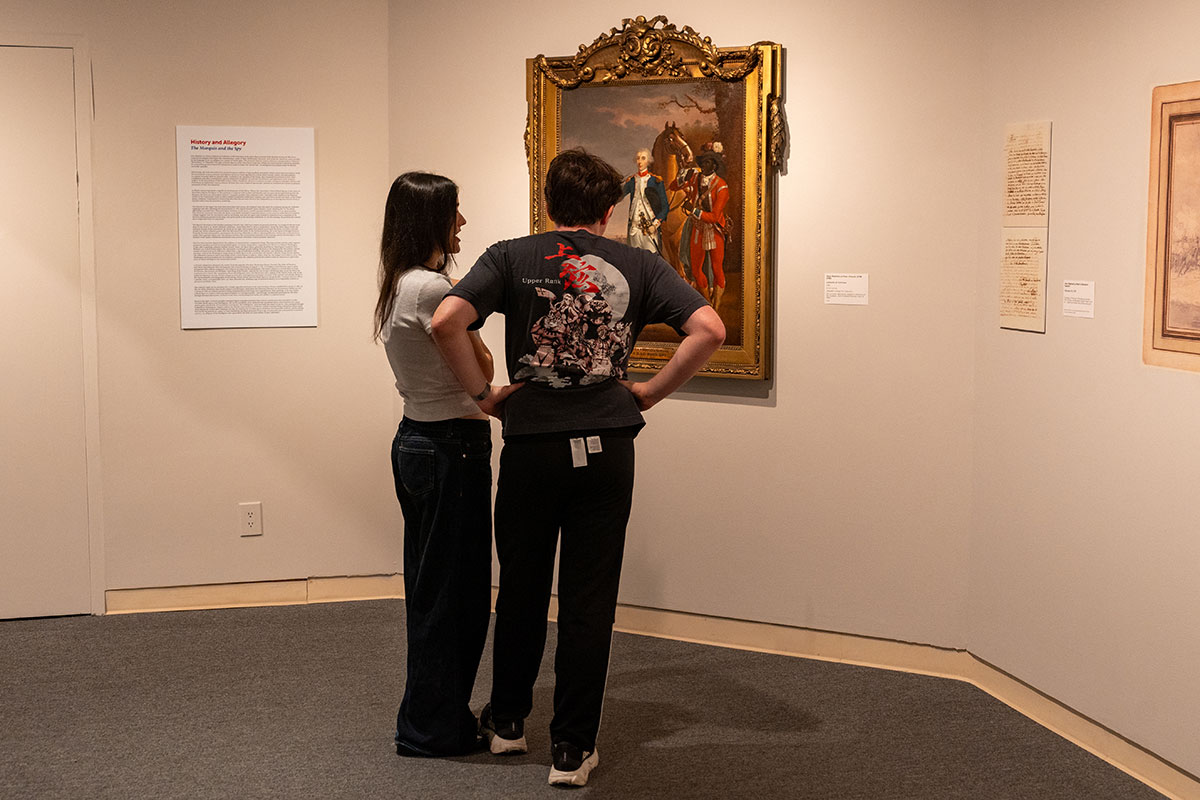
The symposium would approach the topic of democracy through a number of interconnected topics, she said: through Lafayette’s own history and archives; through higher education and its responsibilities; through data, technology, and decision making; through histories of democracy and democratic breakdown; through perspectives from the globe; and through questions of deliberation, participation, citizenship, and belief.
“I love the range because it feels very much like Lafayette: history alongside engineering, politics alongside art, data alongside questions of citizenship and participation. Each of these perspectives brings something different to the conversation, and together they give us a chance not simply to hear about one another’s work, but to see connections across it,” McGrane said.
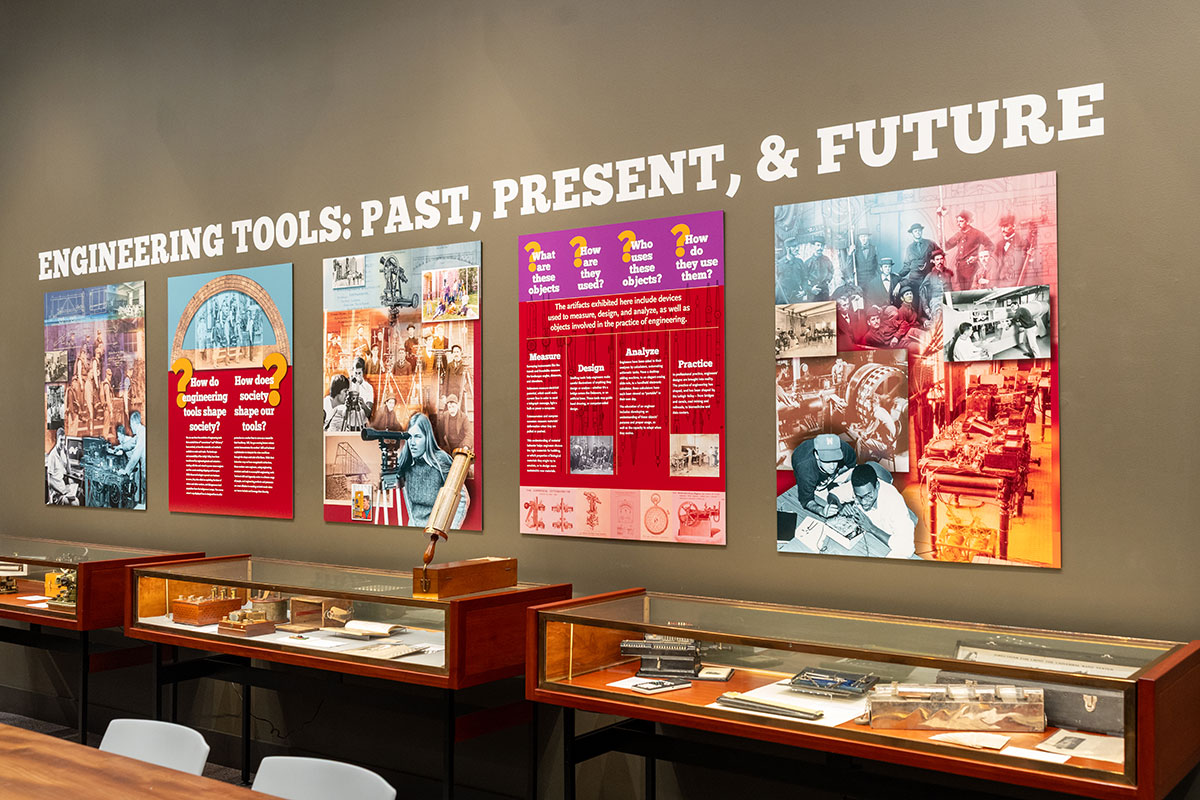
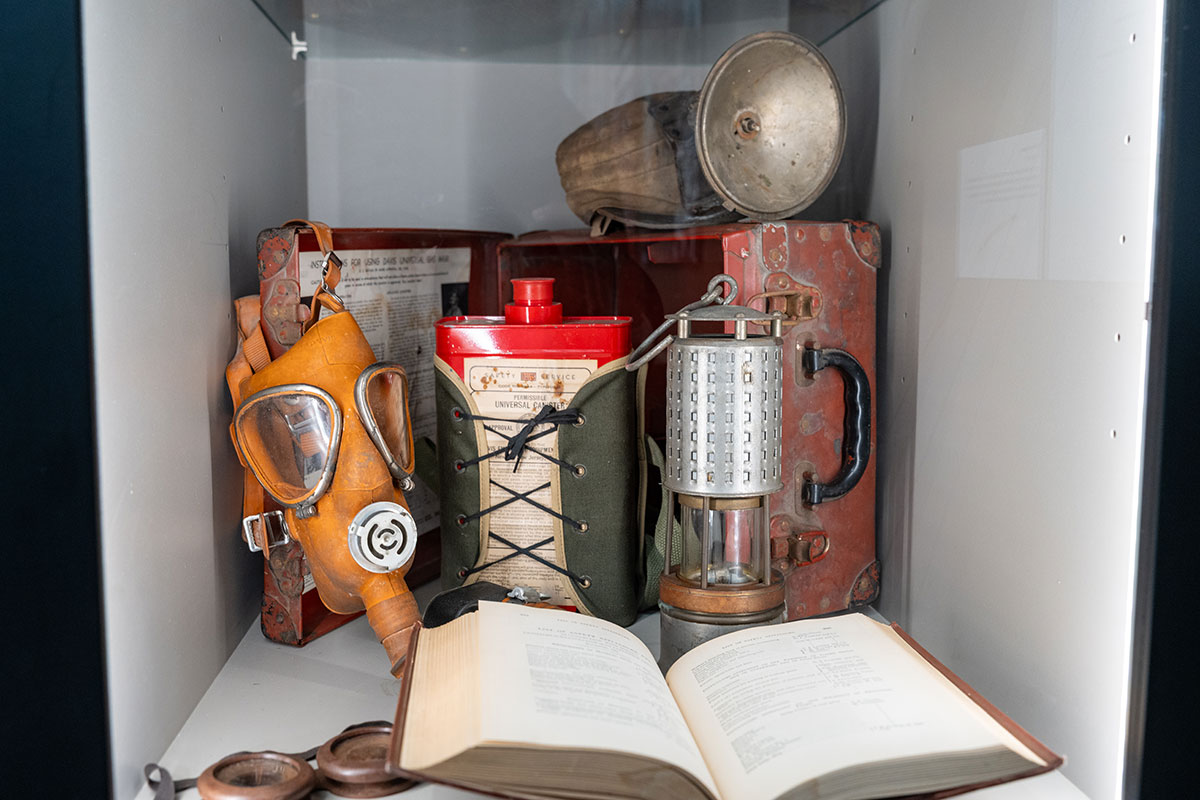
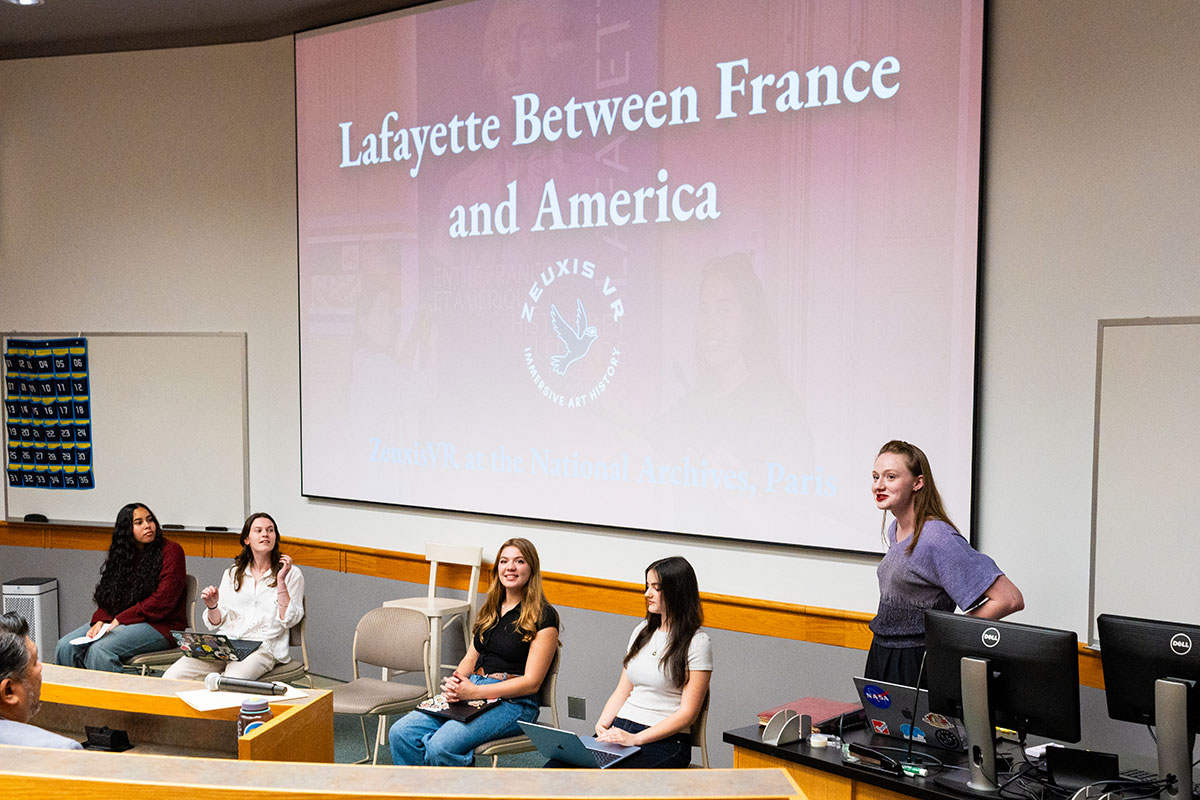
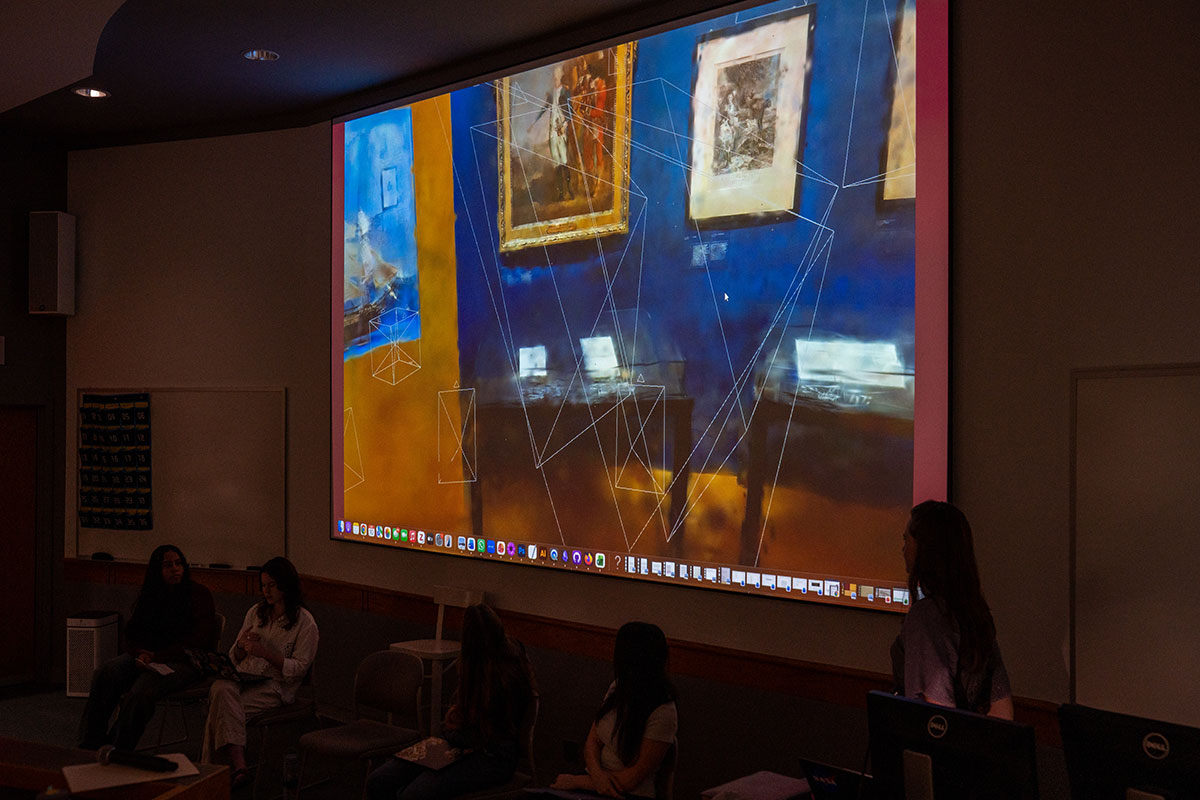
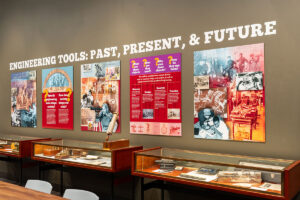
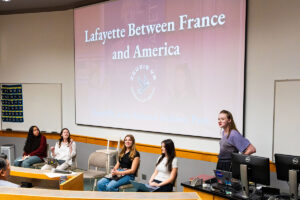
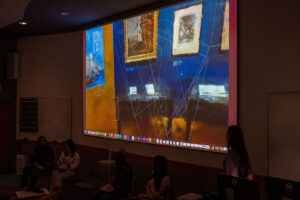
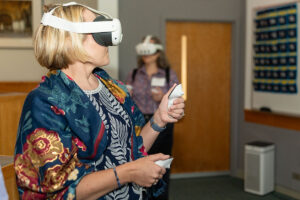
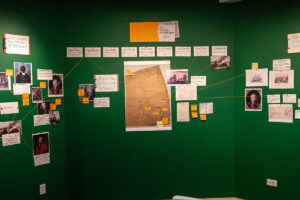
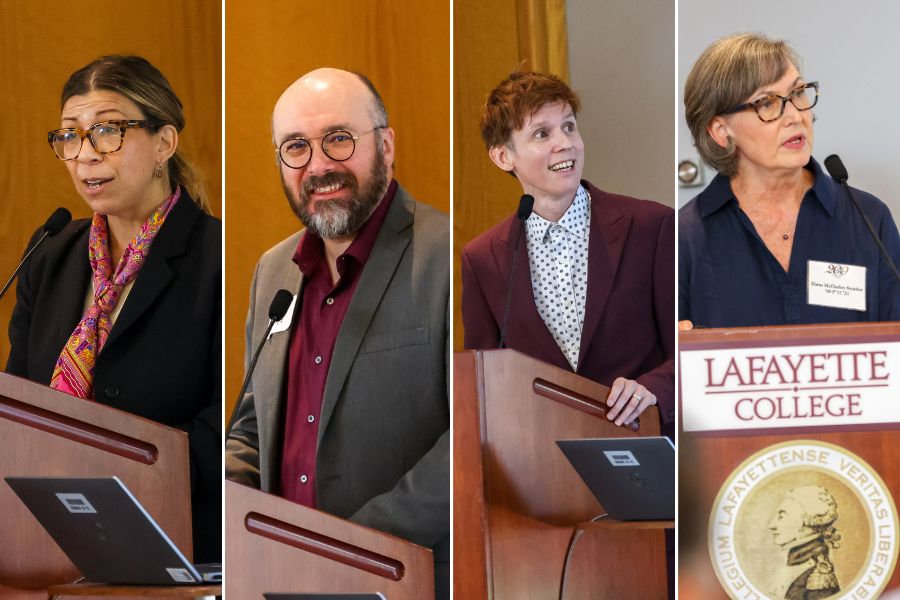
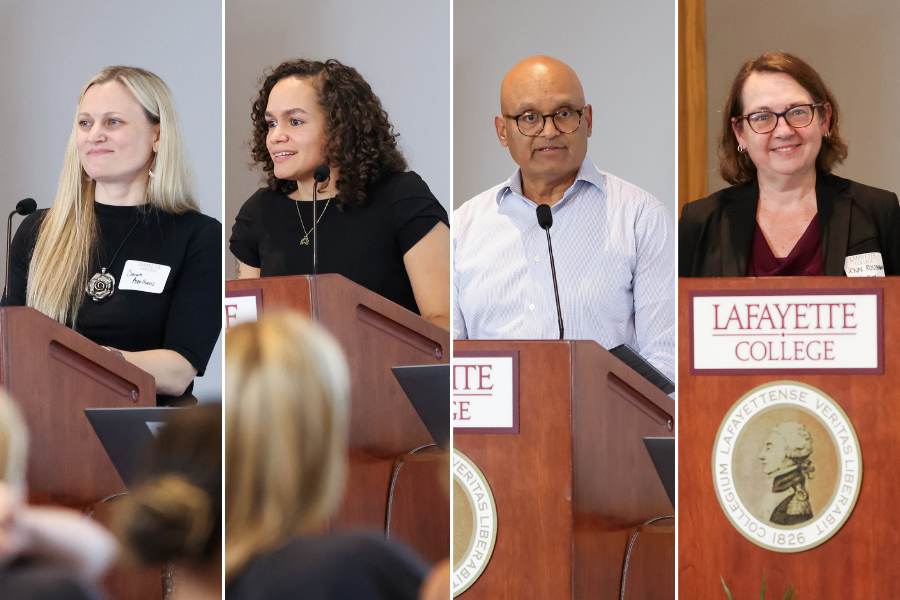
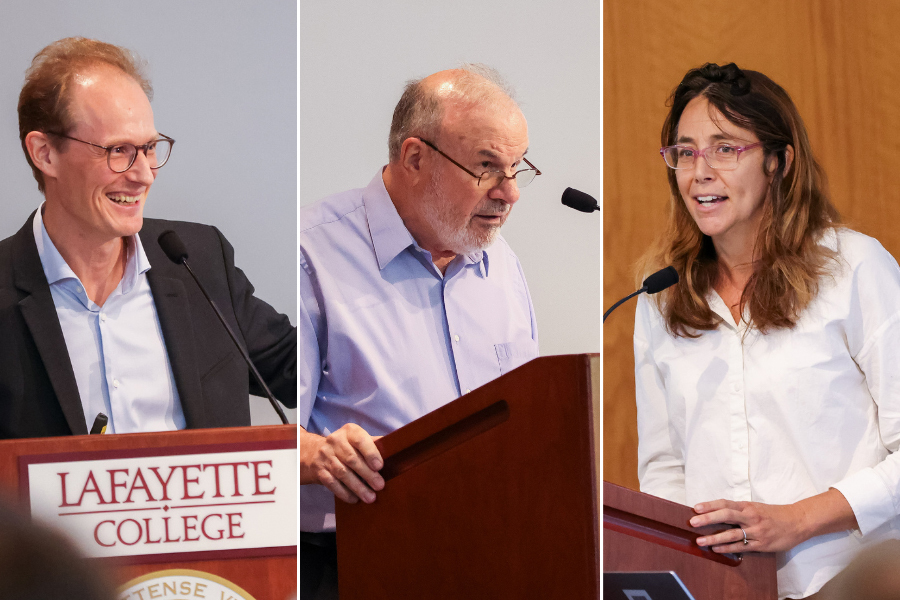
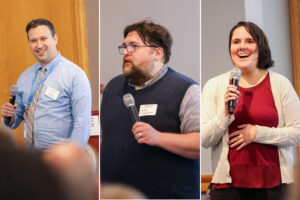
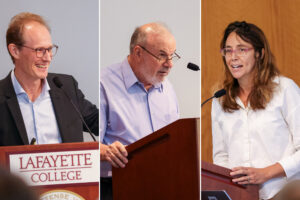
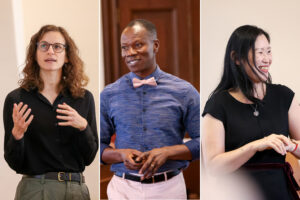
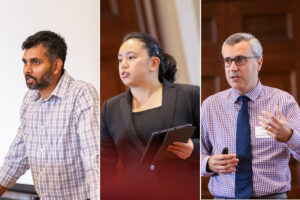
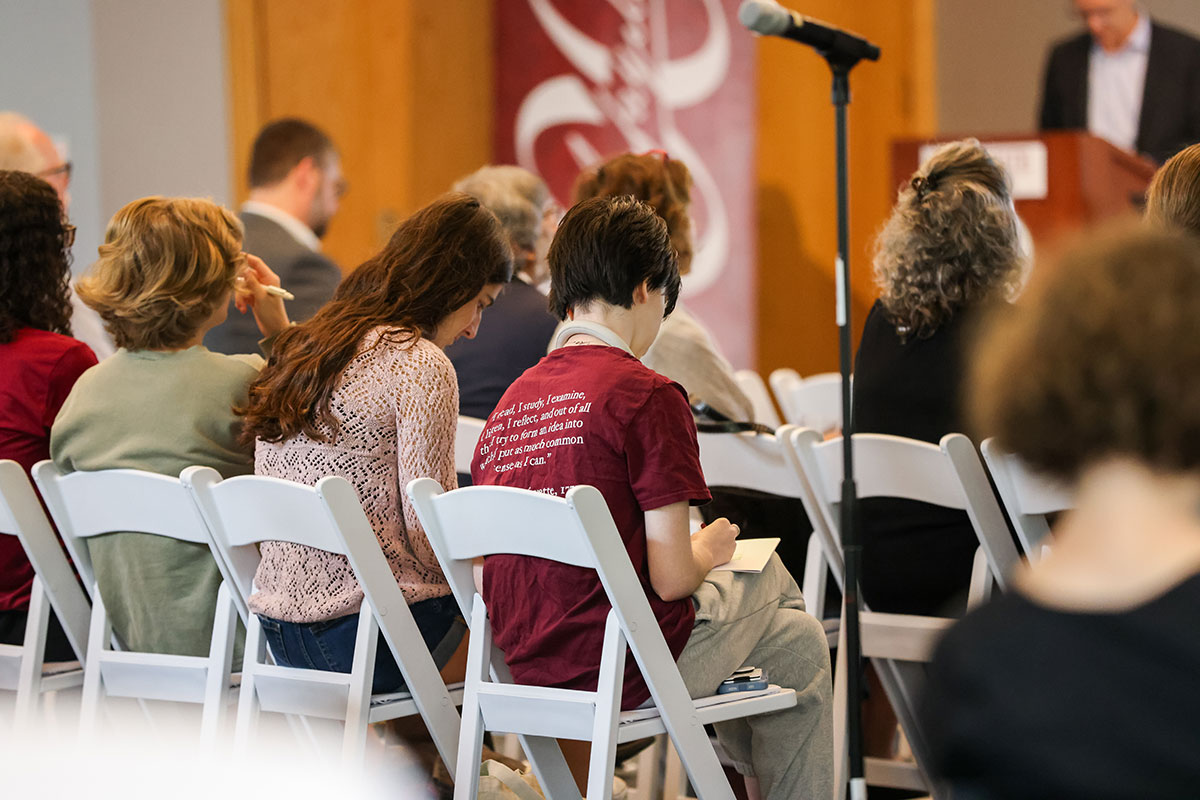
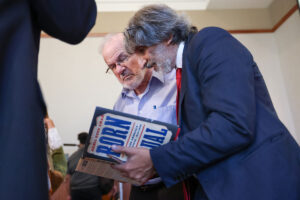
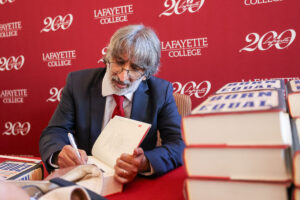
Featuring six panels with 20 faculty and academic staff representing more than 10 departments and programs, talks by two leading scholars of democracy, student-led presentations, exhibits, and book signings, the symposium reflected Lafayette’s liberal arts strengths.
“[H]igher education is essential to the flourishing of democratic practices,” McGrane noted, “and those practices take shape in the laboratory of college campuses. They require experimentation, collaboration, testing, and revision.”
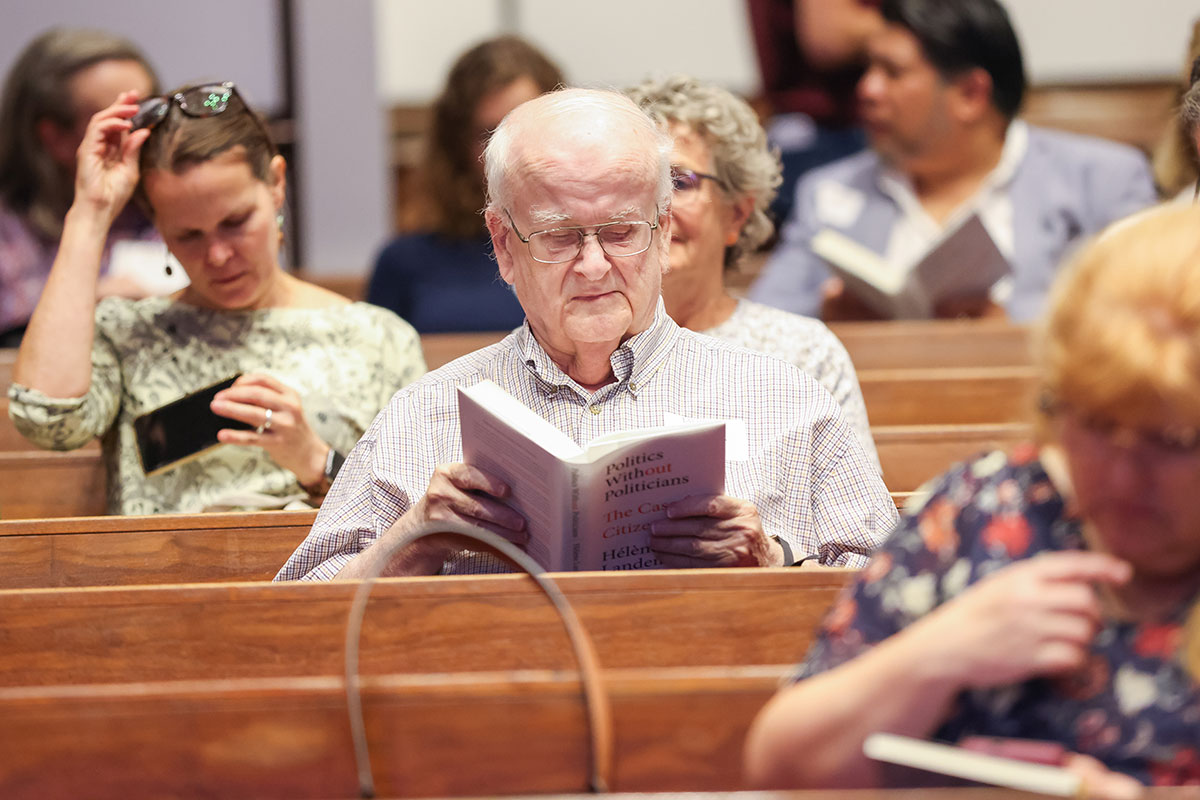
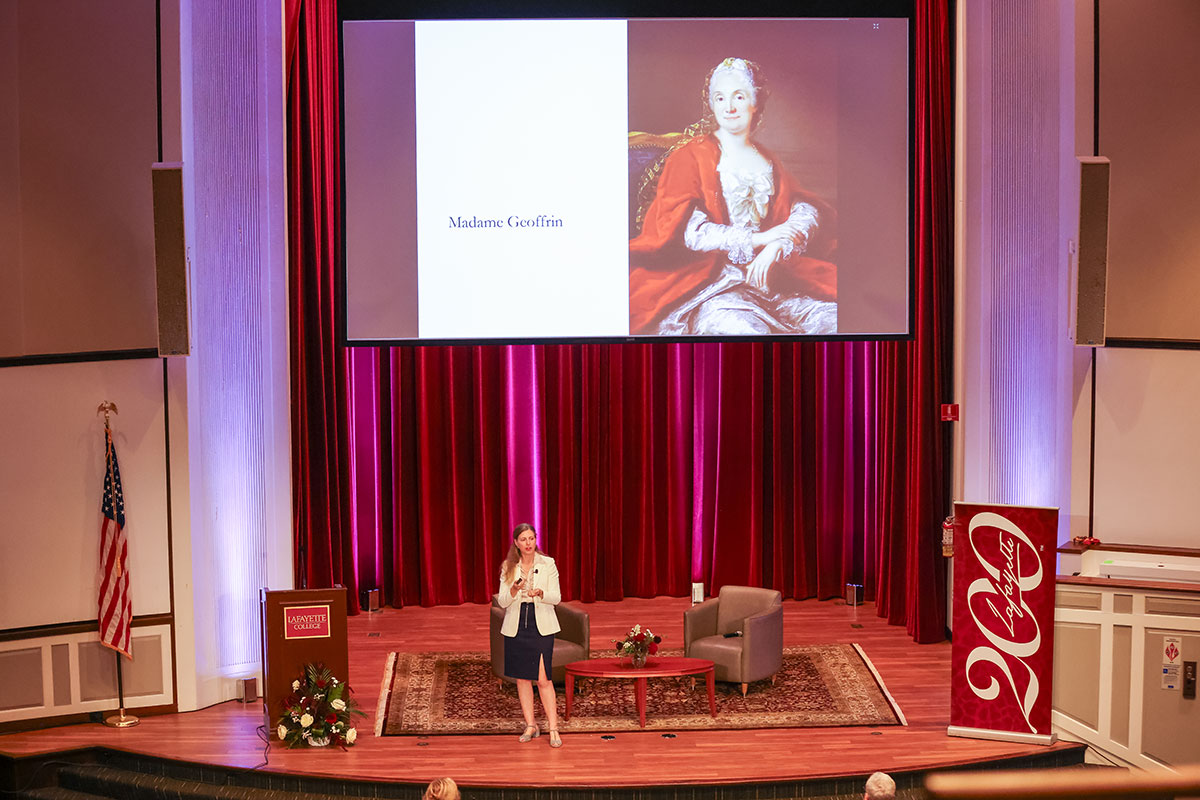
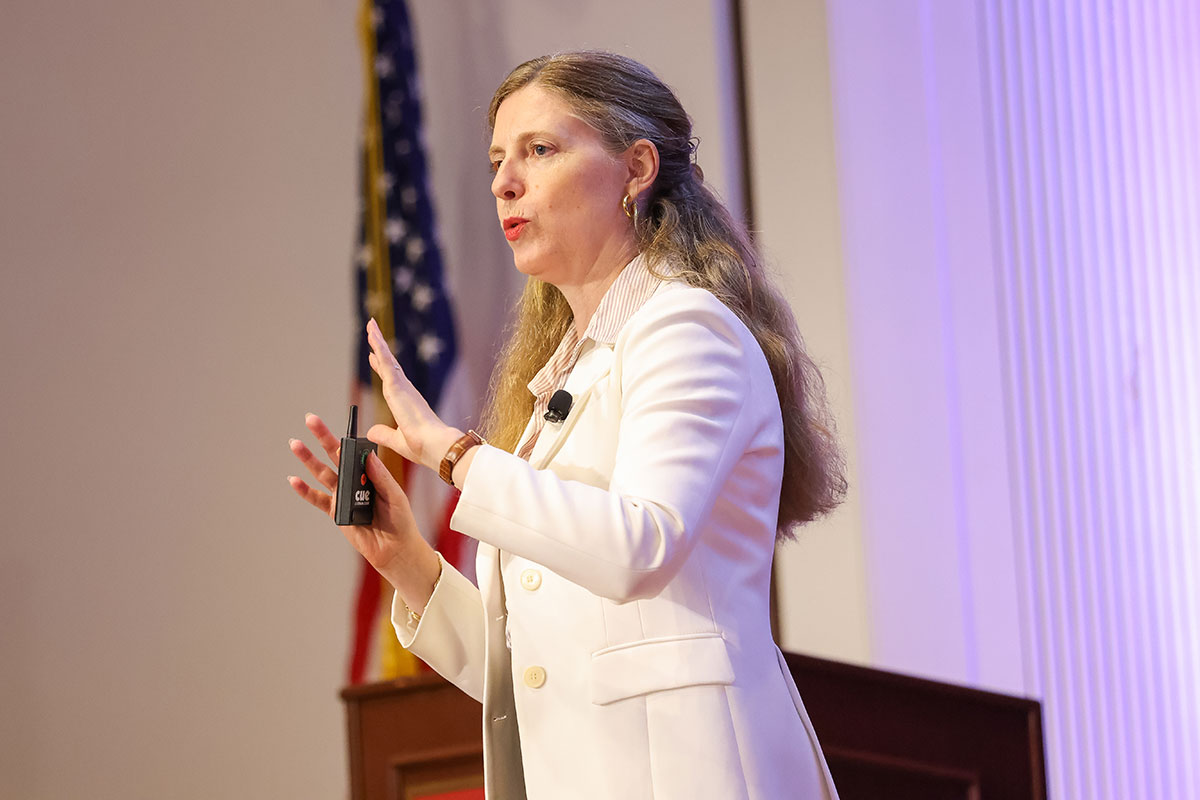
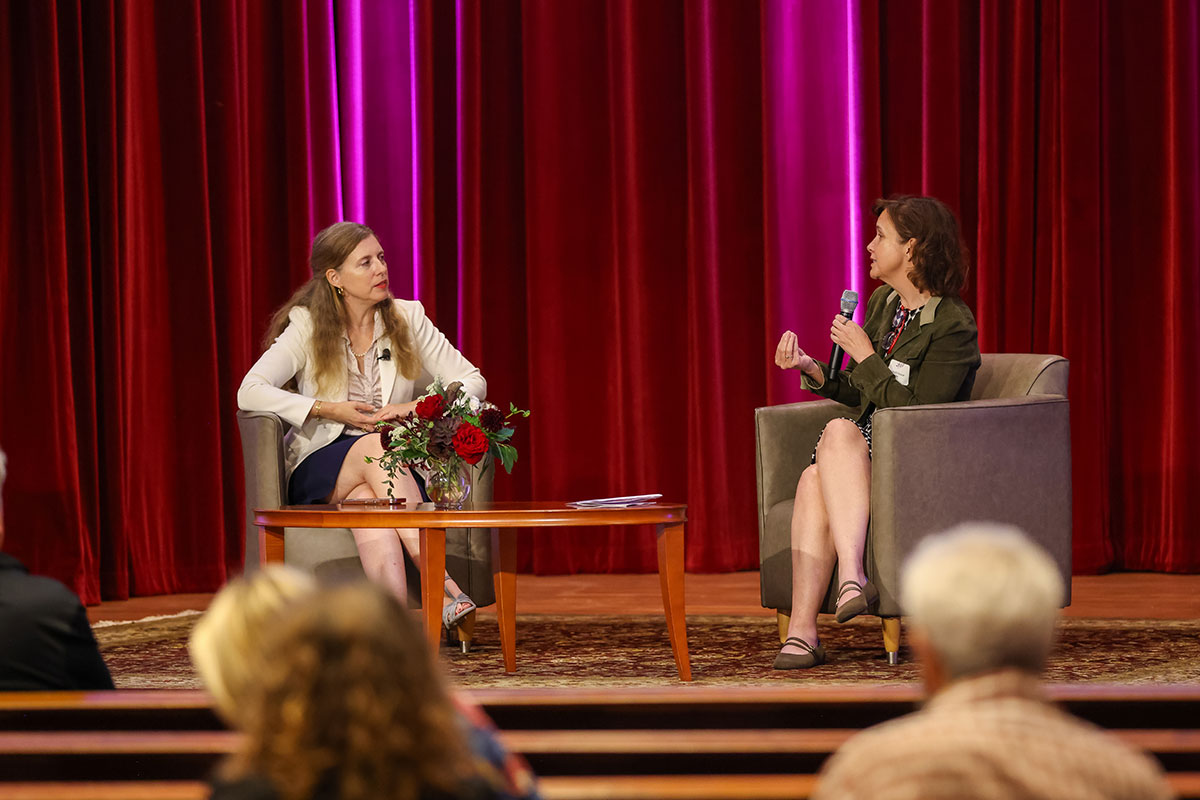
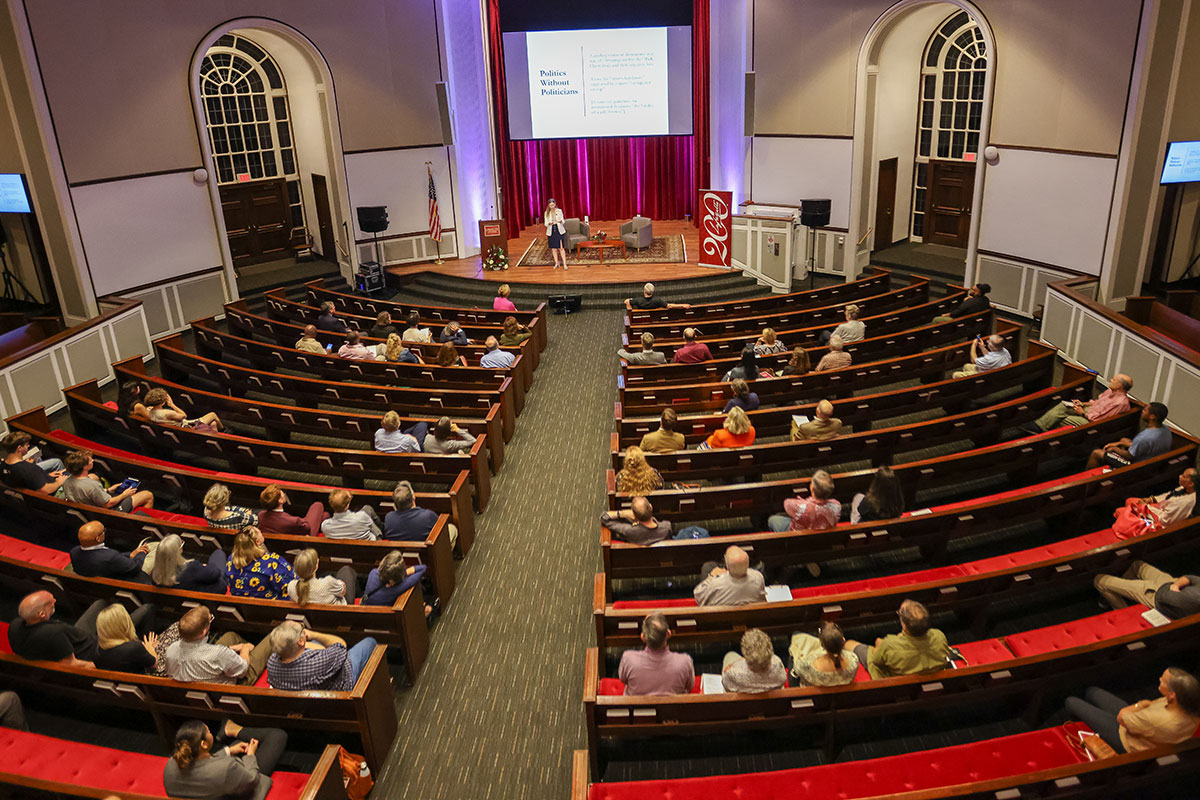
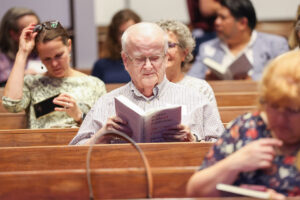
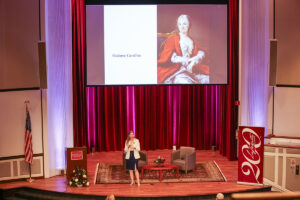
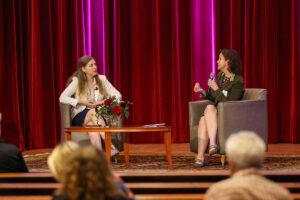
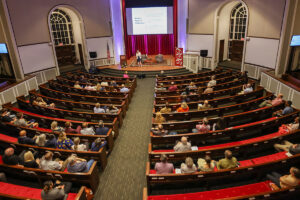
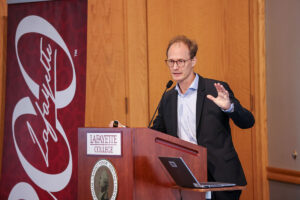
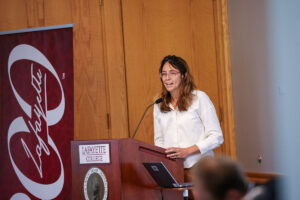
During her plenary talk in Colton Chapel the evening of Sept. 10, political theorist Hélène Landemore offered her model to transition from traditional electoral politics toward a more democratic system by forming randomly selected citizen assemblies through a lottery system, similar to a jury pool.
Plenary speaker Hélène Landemore spoke to a Colton Chapel audience about transitioning from electoral politics to citizen assemblies. Photo by JaQuan Alston
Landemore, professor of political science at Yale University and an expert in democratic theory, political epistemology, and technology ethics, advocated for “politics without politicians,” empaneling large bodies of randomly selected individuals tasked with making policy recommendations, supported by experts, and drafting legislative proposals.
Lot-based citizen assemblies, deployed successfully in France and now in Connecticut on a property tax reform initiative, promote political equality and balanced, democratic representation, Landemore said.
Political parties would not disappear; “they would just no longer be the vehicle for access to power for ambitious people,” she said, adding that the goal is to motivate and empower “the shy,” those currently less likely to engage, to help build consensus around legislation and policy reforms. It’s not a new concept, but a hypothesis proposed from antiquity to modern times, from Aristotle to Rousseau, Landemore noted.
“Citizen legislators are ordinary people who are put in the position of actually making legislative proposals on behalf of the larger public,” she said, emphasizing that the shy who would serve on citizen assemblies are not necessarily introverts but people who have been made structurally shy by their life experience, social conditions, race, gender, and their general status in the world.
“If you push them too much, sometimes the shy get together and get very angry,” Landemore said. “We try to improve democracy by listening to them when they shout loud enough, and I don’t think that’s good enough. Open the door and just give them a seat at the table.”
Calling it “jury duty for politics,” she noted that the mechanism would not be mandatory like jury service.
“You’re not going to get to this assembly because you speak well, because you’re connected, because you have resources,” Landemore stressed. “You’re going to get there just on the basis of luck, and everybody’s got the same probability of getting selected. In order to facilitate participation, we pay for participation. We cover the transportation costs, the housing, the childcare. We minimize friction as much as possible because we know that in the economies we are in, people have very little time to devote to civic activities. But the goal, at least in theory, is to bring the shy people in the room.”
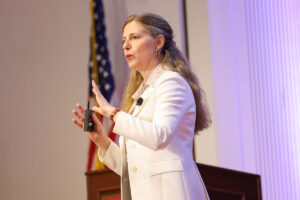
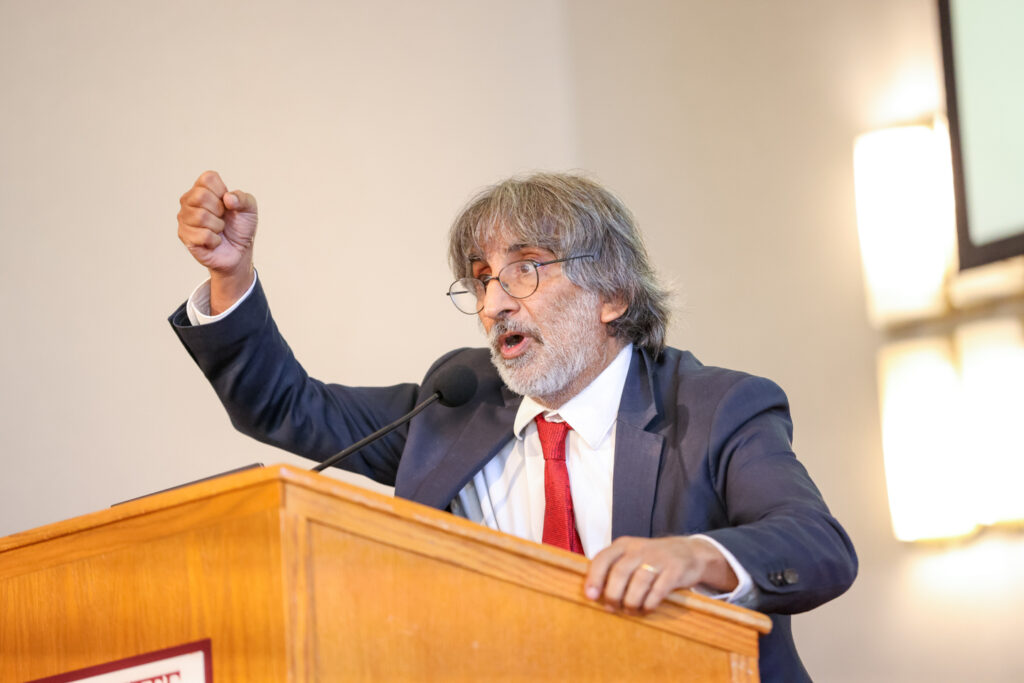
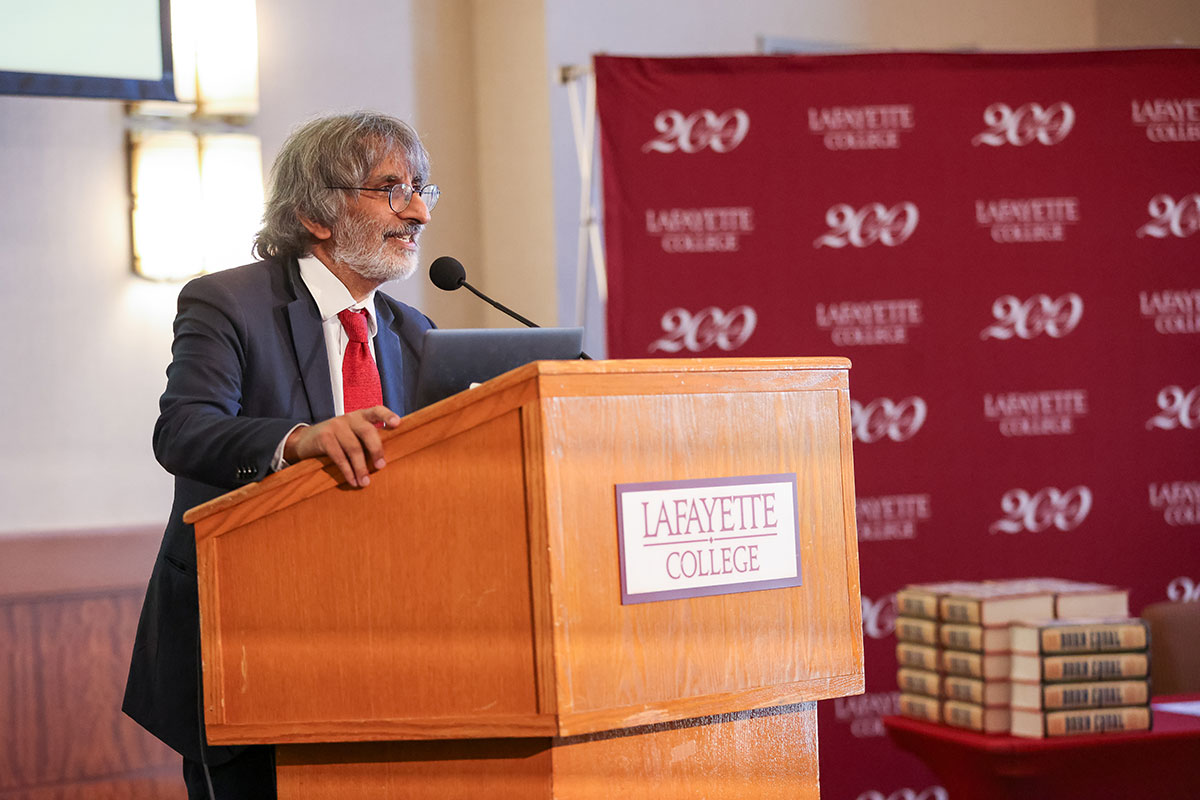
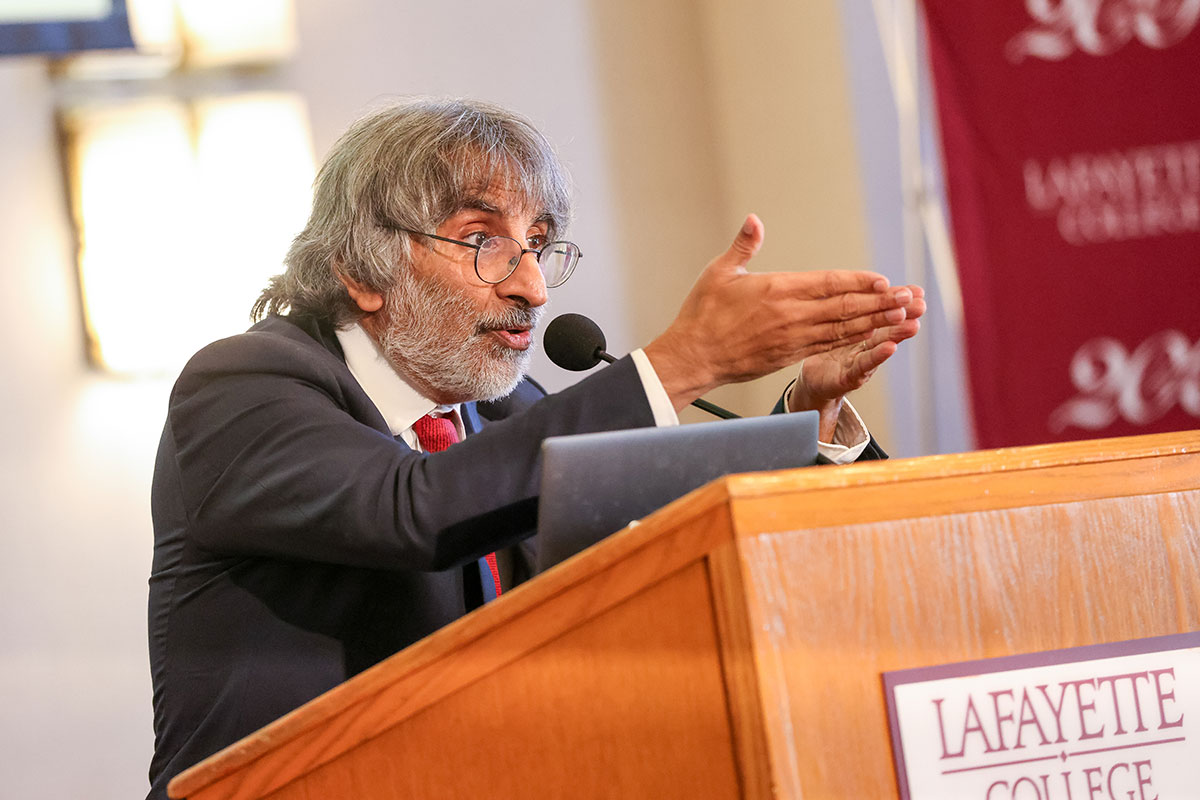
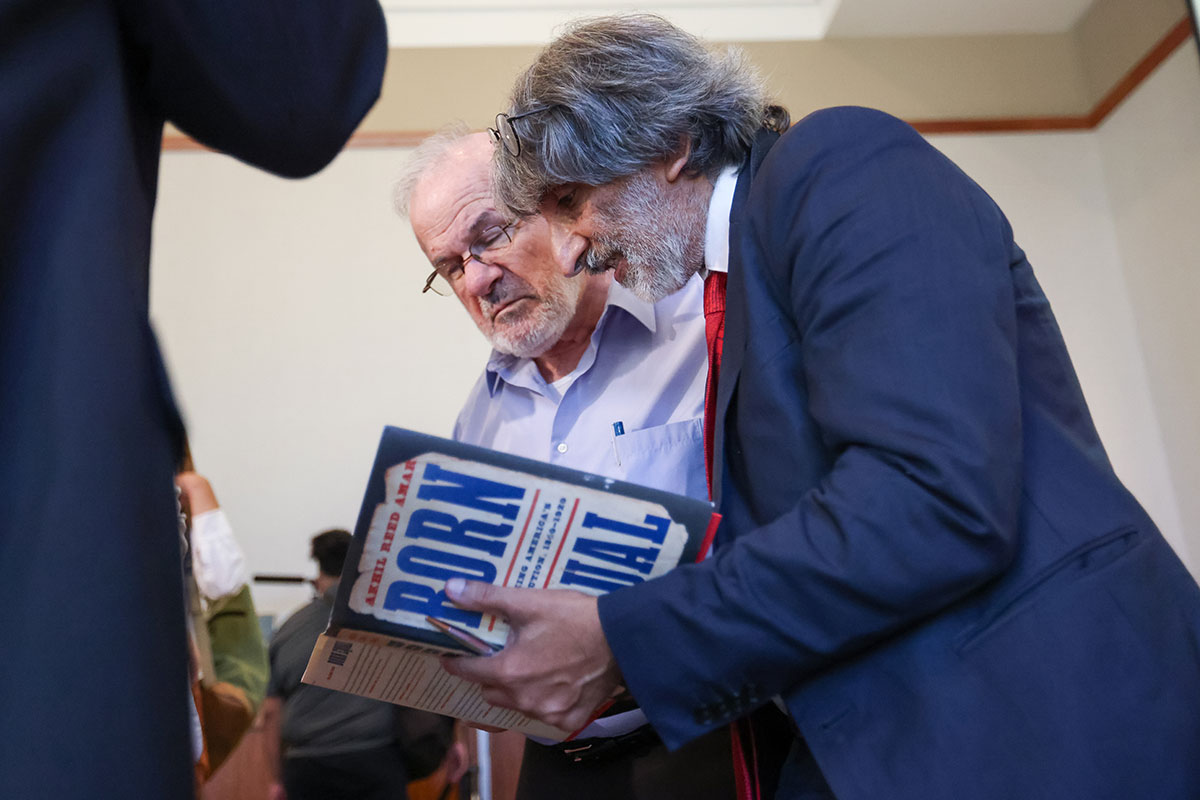
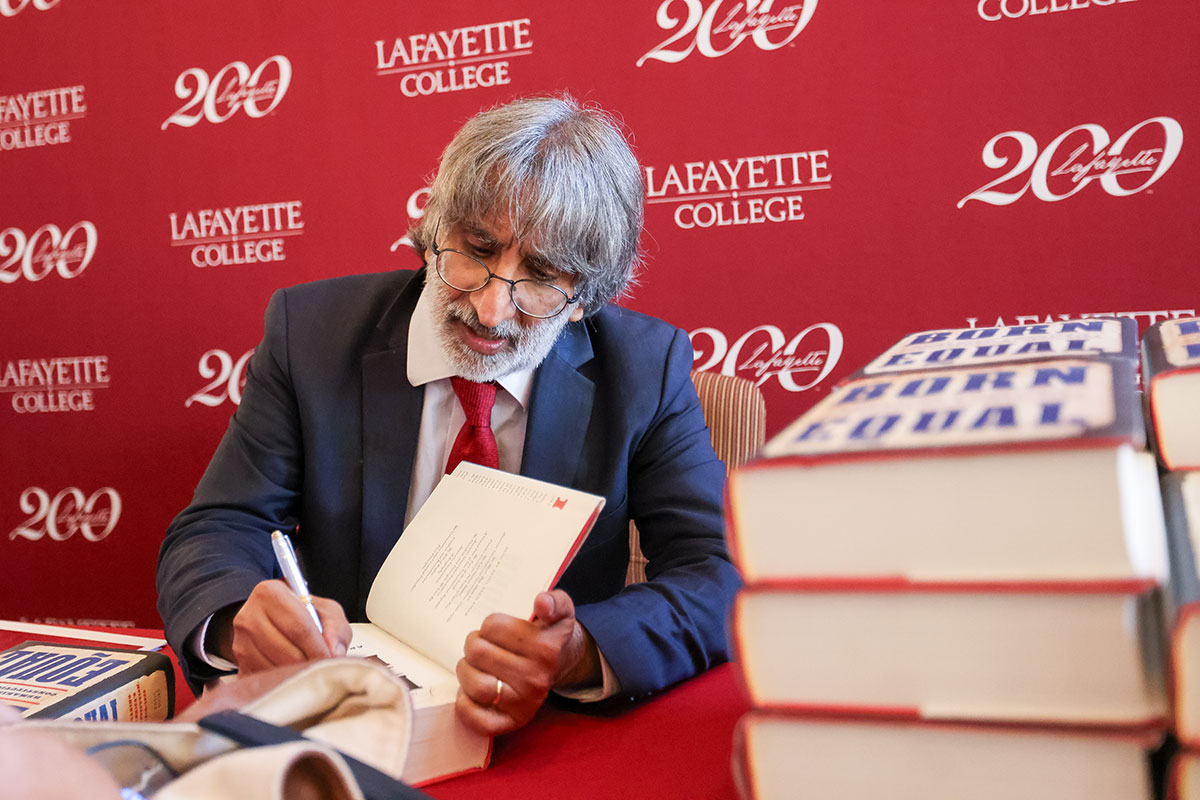
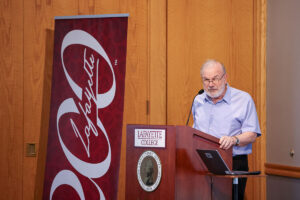
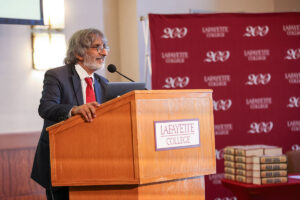
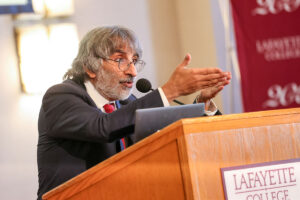
For the noontime plenary talk the following day in the Wilson Room at Pfenning Alumni Center, constitutional law expert Akhil Reed Amar, Sterling Professor of Law and Political Science at Yale, delivered a spirited presentation on the origins of American independence and evolving interpretations of equality in the United States.
In his noontime plenary talk on Sept. 11, constitutional law expert Akhil Reed Amar urged his audience to read and study American history to avoid living in a failing democracy. Photo by JaQuan Alston
Because the United States is a multicultural democracy, lacking a single ethnic or religious bond, its survival depends on a shared understanding of its history and institutions, Amar said, adding that the nation is bound together by the shared political stories of figures such as Benjamin Franklin, John Adams, Abraham Lincoln, Harriet Beecher Stowe, Elizabeth Cady Stanton, and Frederick Douglass, among others, and every American needs to invest the time to read about them.
“If you don’t do this, if you don’t understand their history, we die,” he said bluntly, noting that Americans don’t have a binding religious text or claim foundational literary figures forming national identity such as a Goethe or Shakespeare. “We don’t have any other narrative to pull us together.”
Lafayette College was founded 50 years after the United States declared its independence from Great Britain, during a year that offered yet another incredible story related to the nation’s origins and deserves attention, Amar added.
“You think it’s just a coincidence that John Adams and Thomas Jefferson both died on July 4, 1826, the 50th anniversary? Odds against that are like a billion to one,” he said. “You think it’s just providential? Maybe if you believe in miracles. I’ll tell you a different reason. They wanted to die on that day.”
By studying history, Americans can avoid living in a failing democracy, Amar said.
“The future is in your hands. You have an amazing inheritance if you’re willing to claim it, and there’s still a lot of stuff left to be done,” he said. “We have our story. It’s an amazing one. It has dark moments but also glorious moments. I want you to experience that, to know that, because that’s what will bring you closer together with each other, with your fellow Americans.”
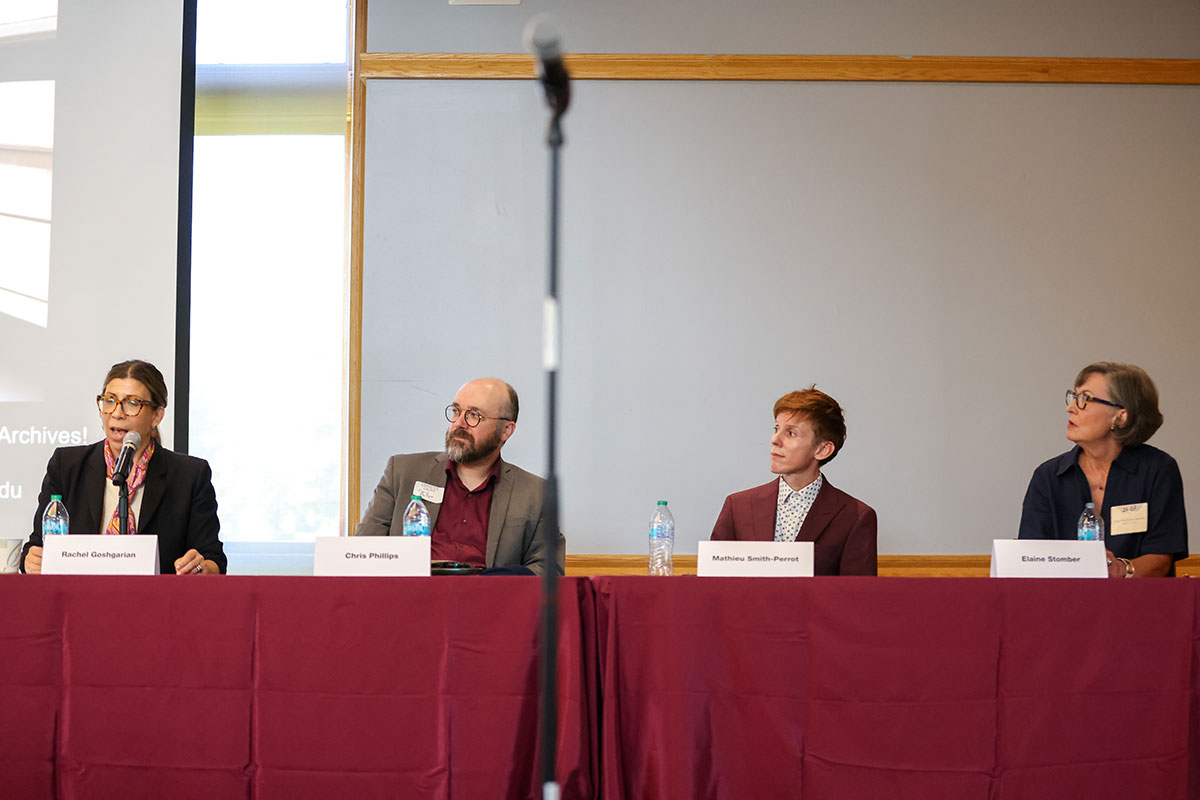
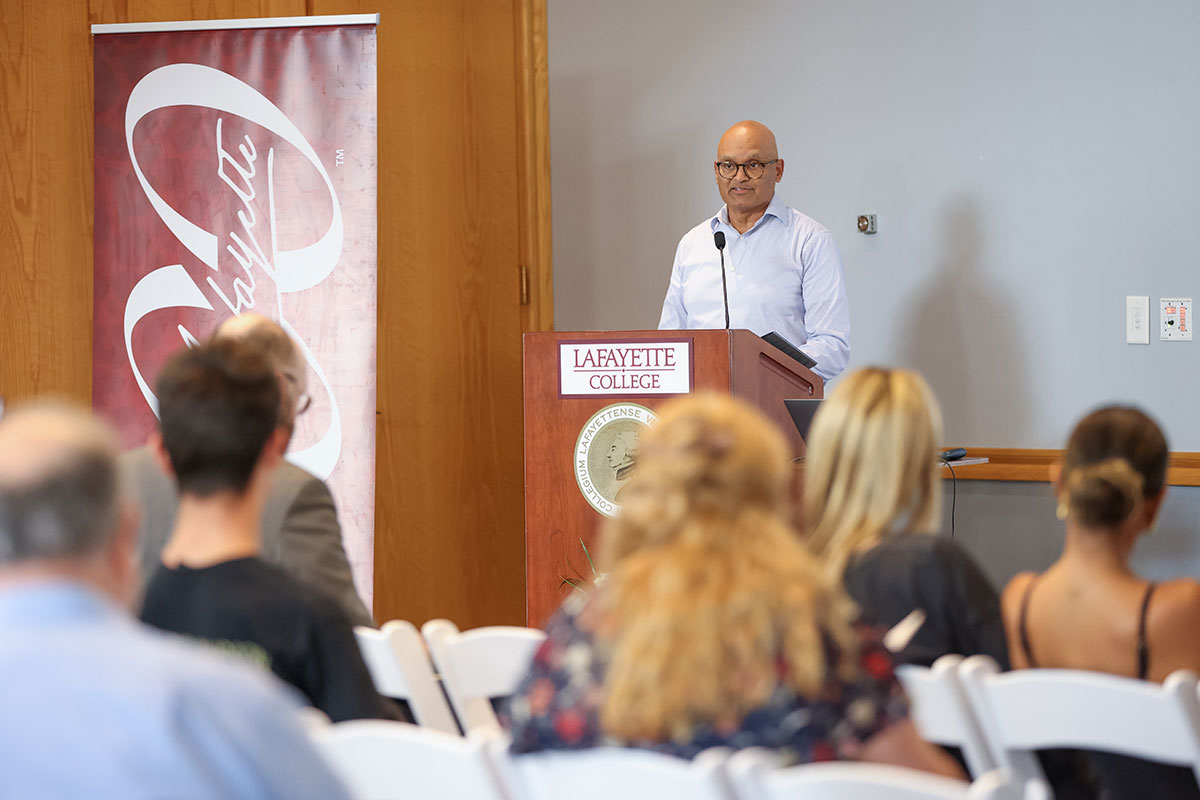
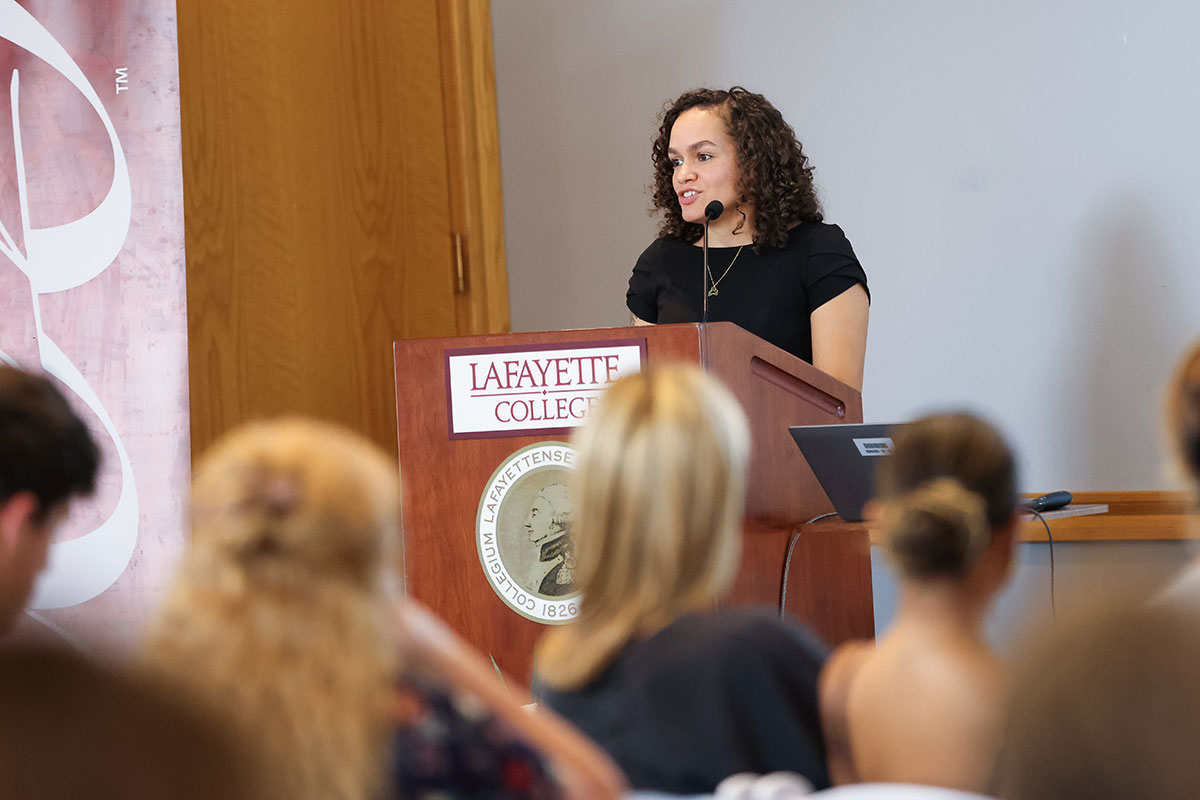
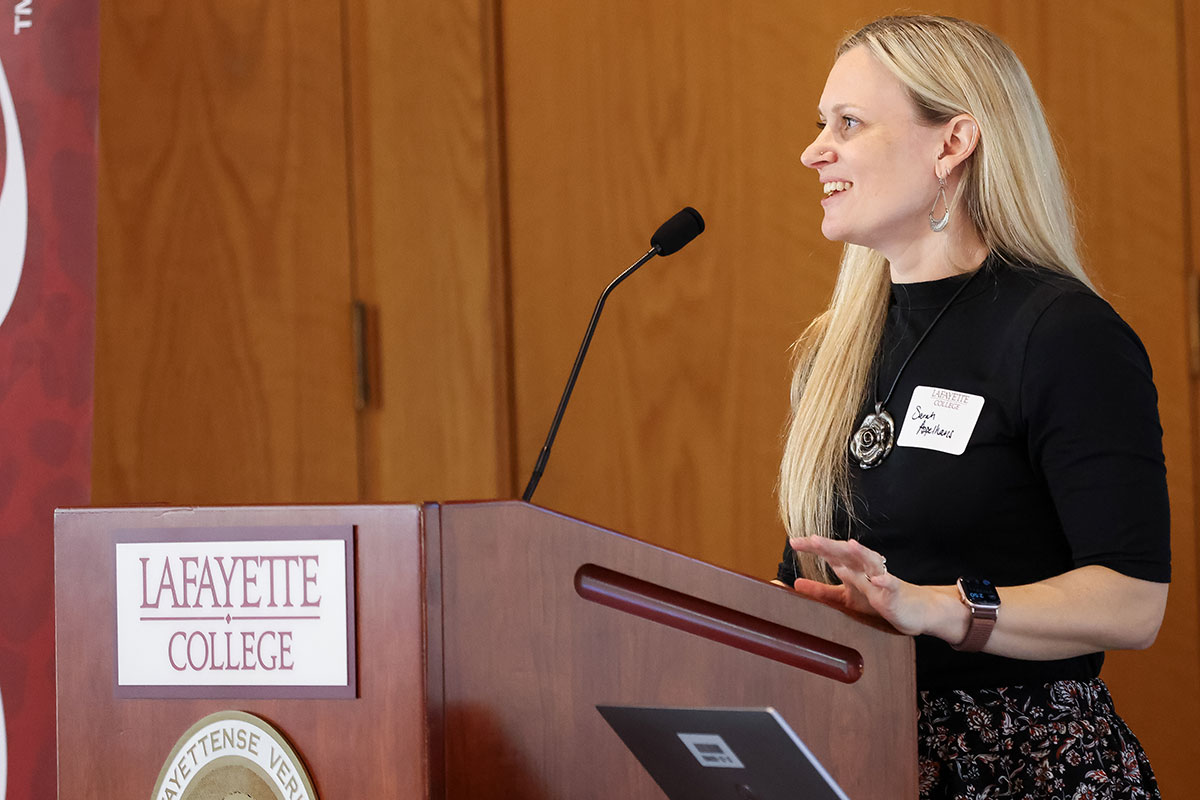
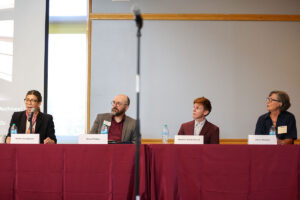
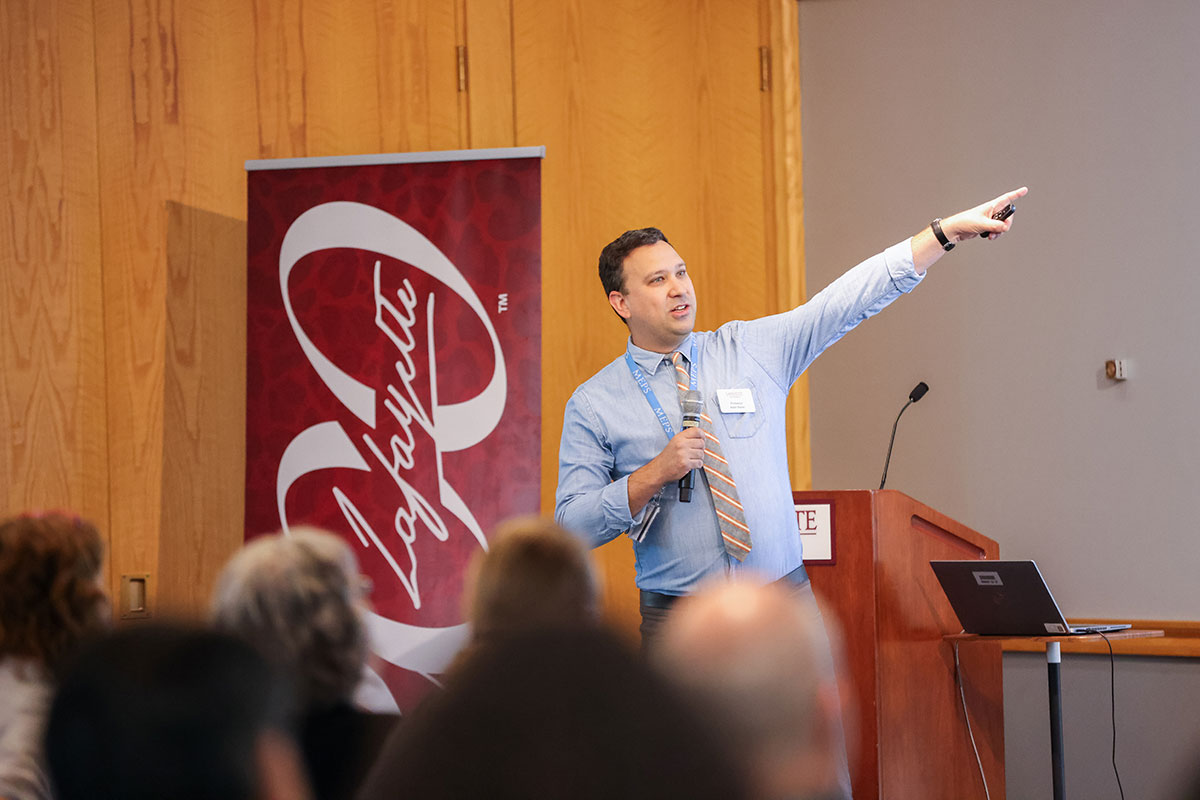
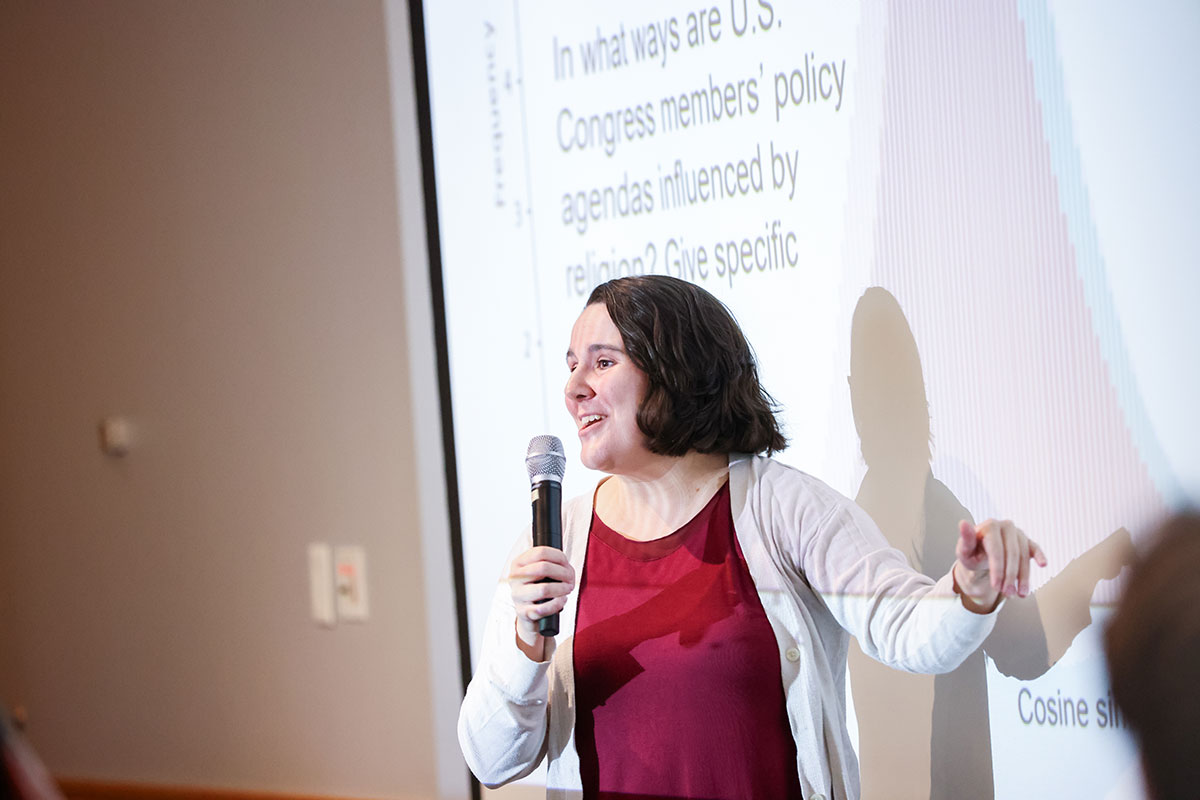
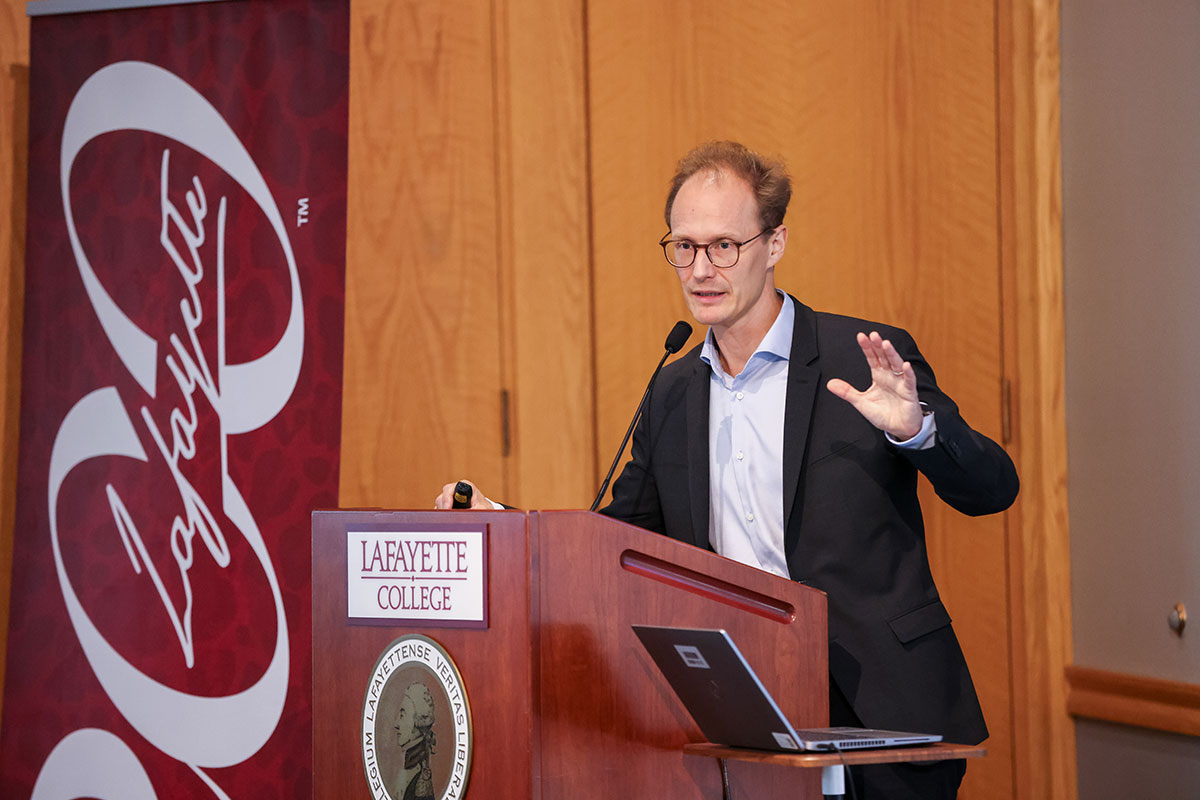
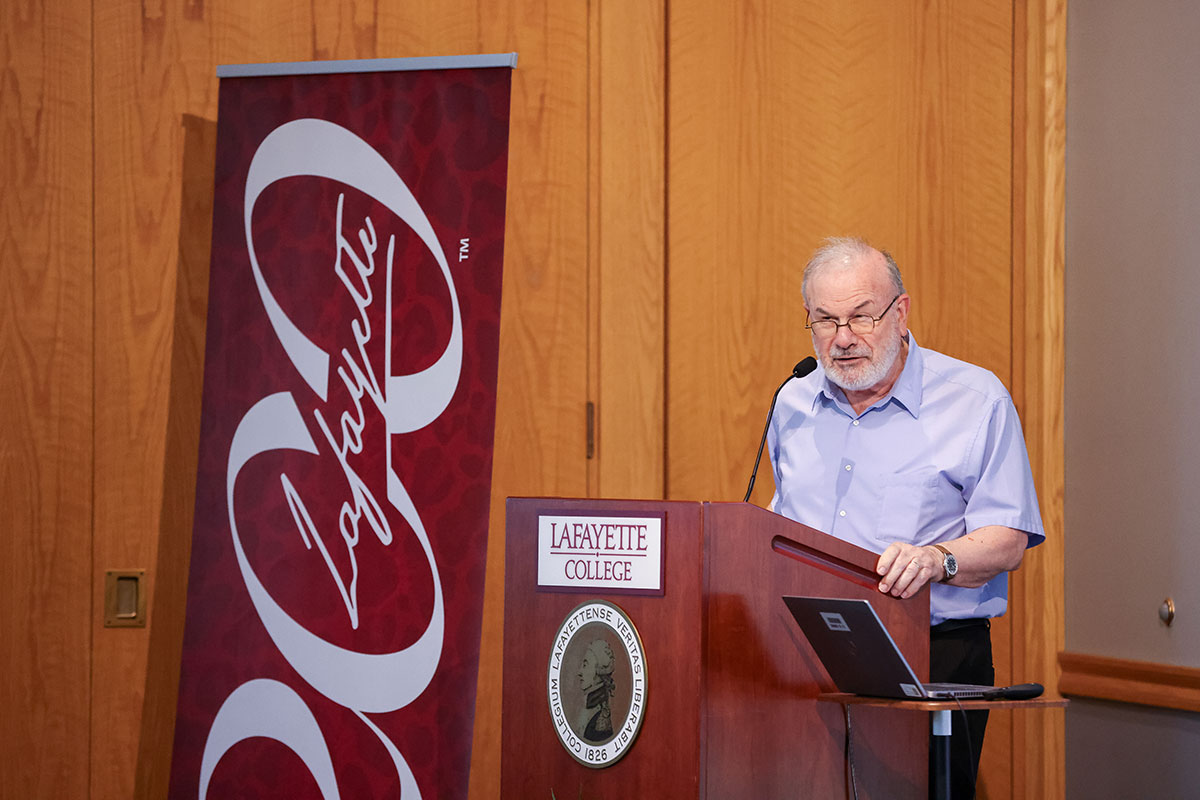
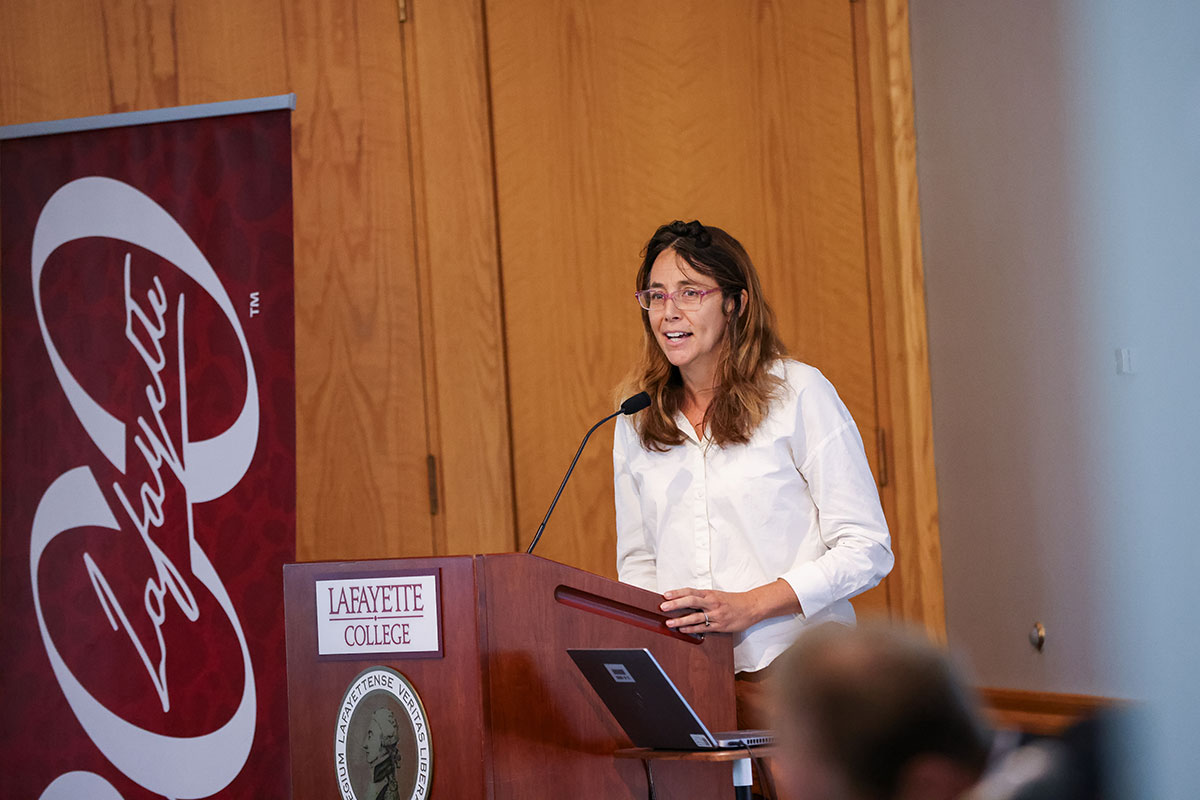
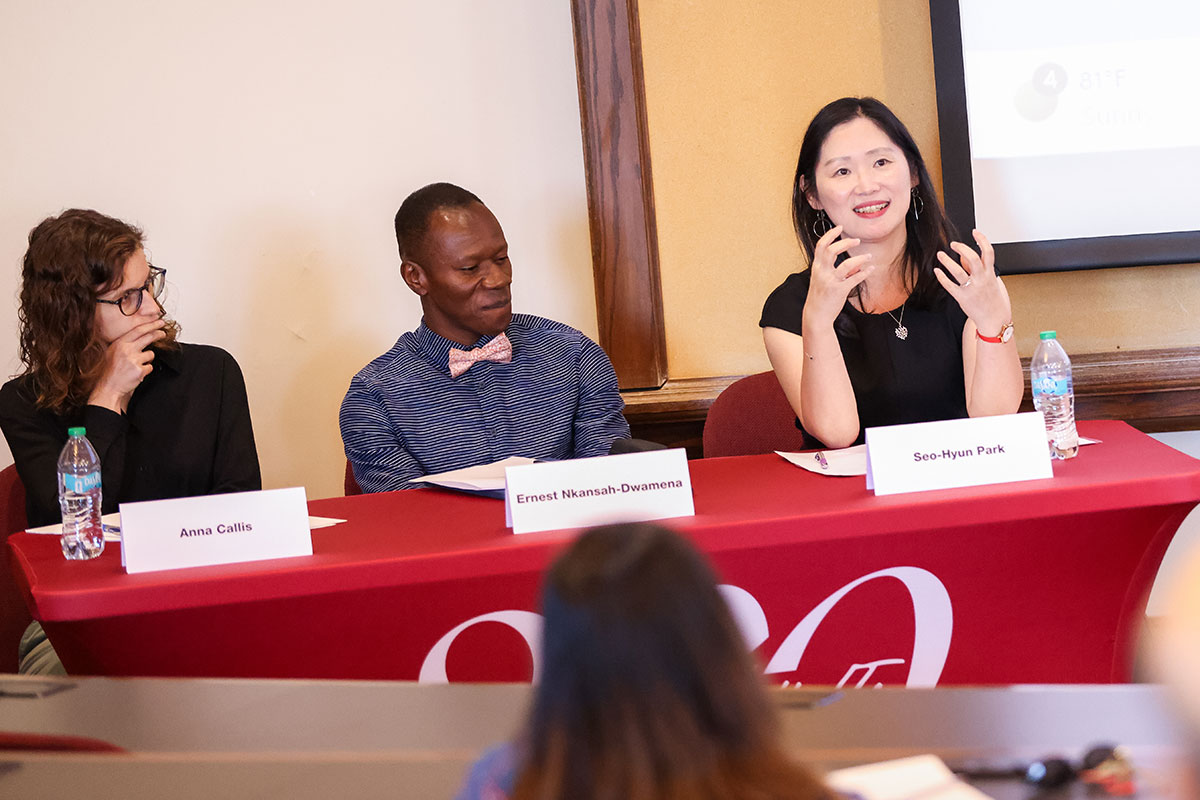
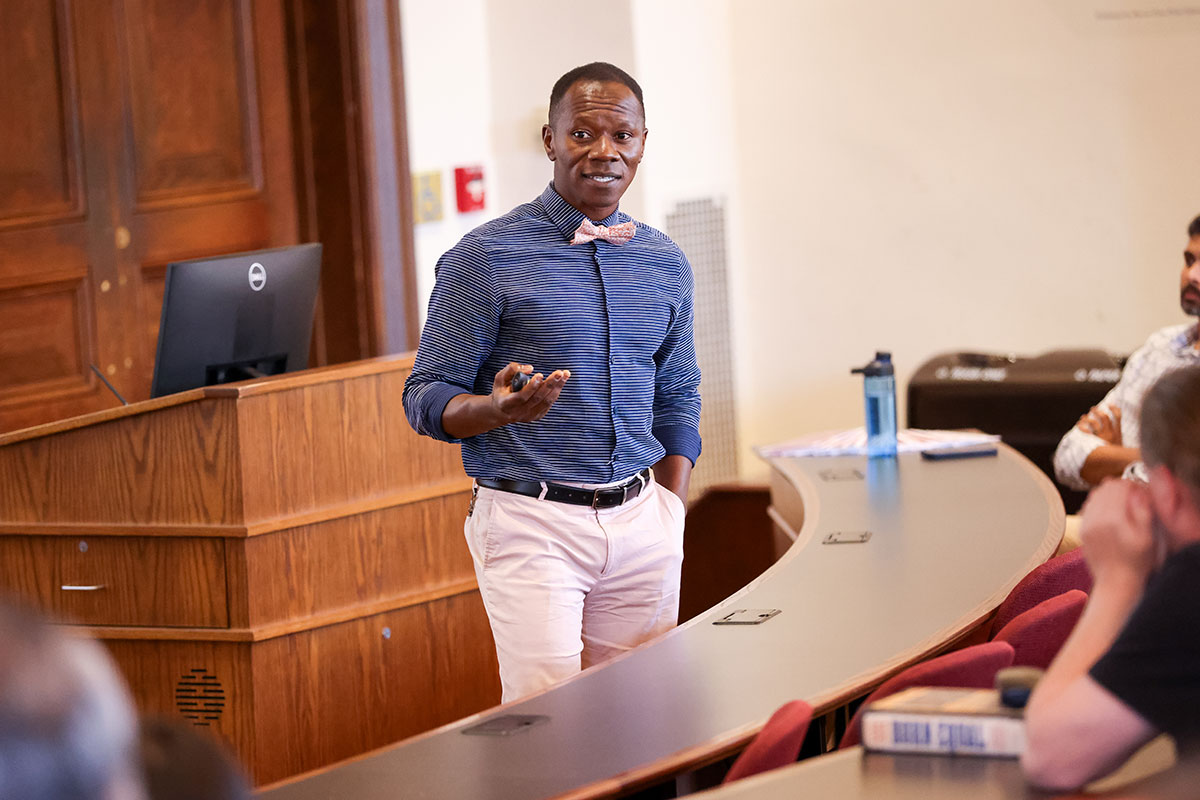
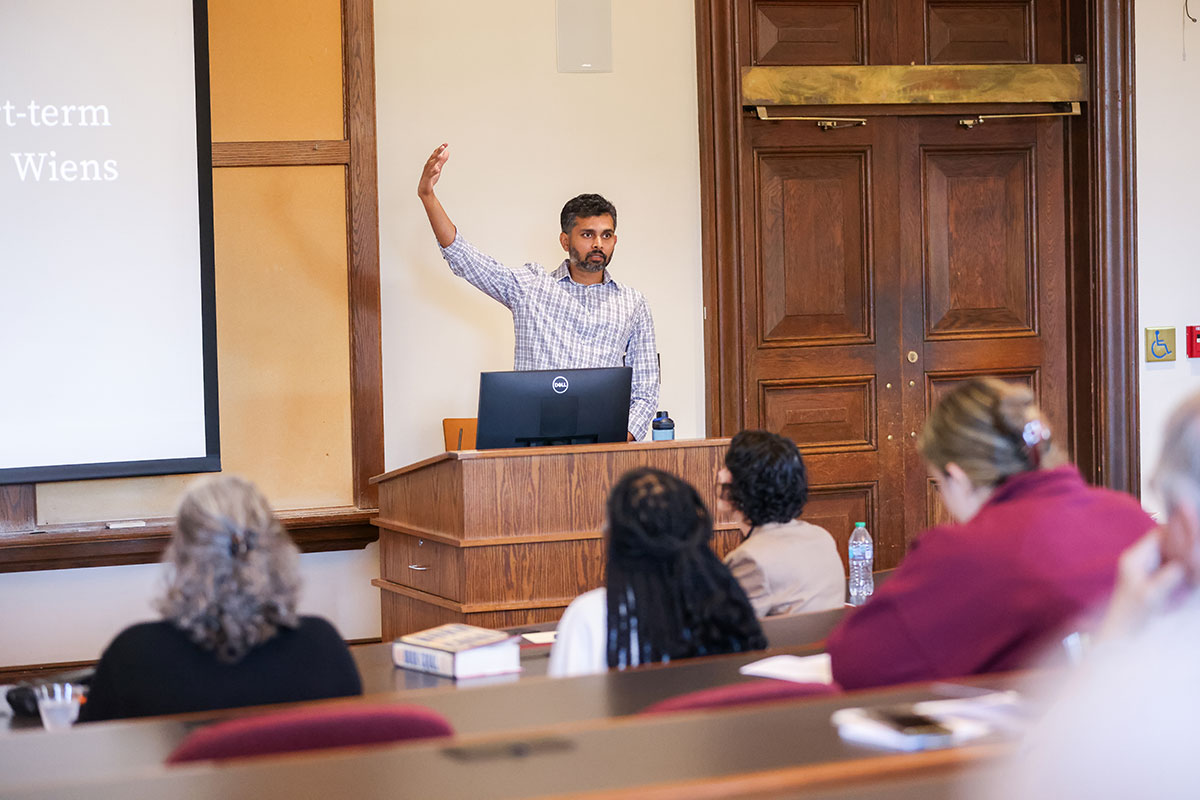
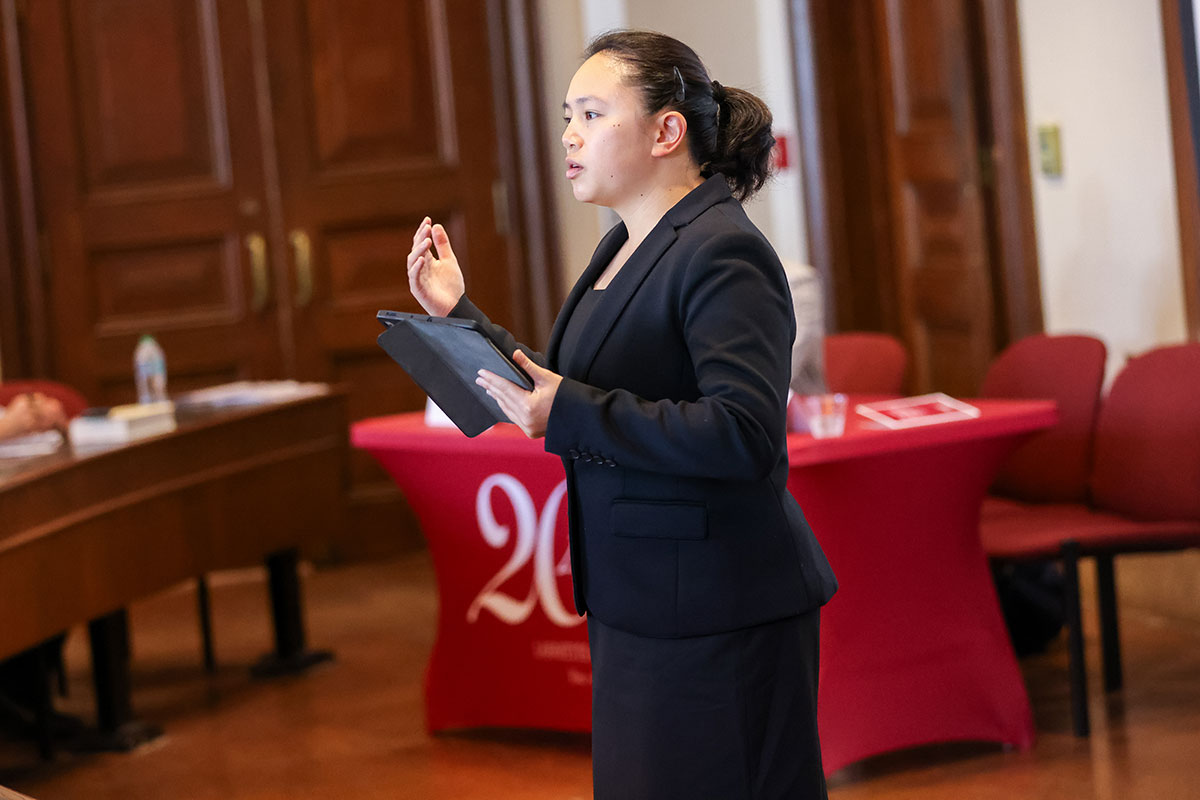
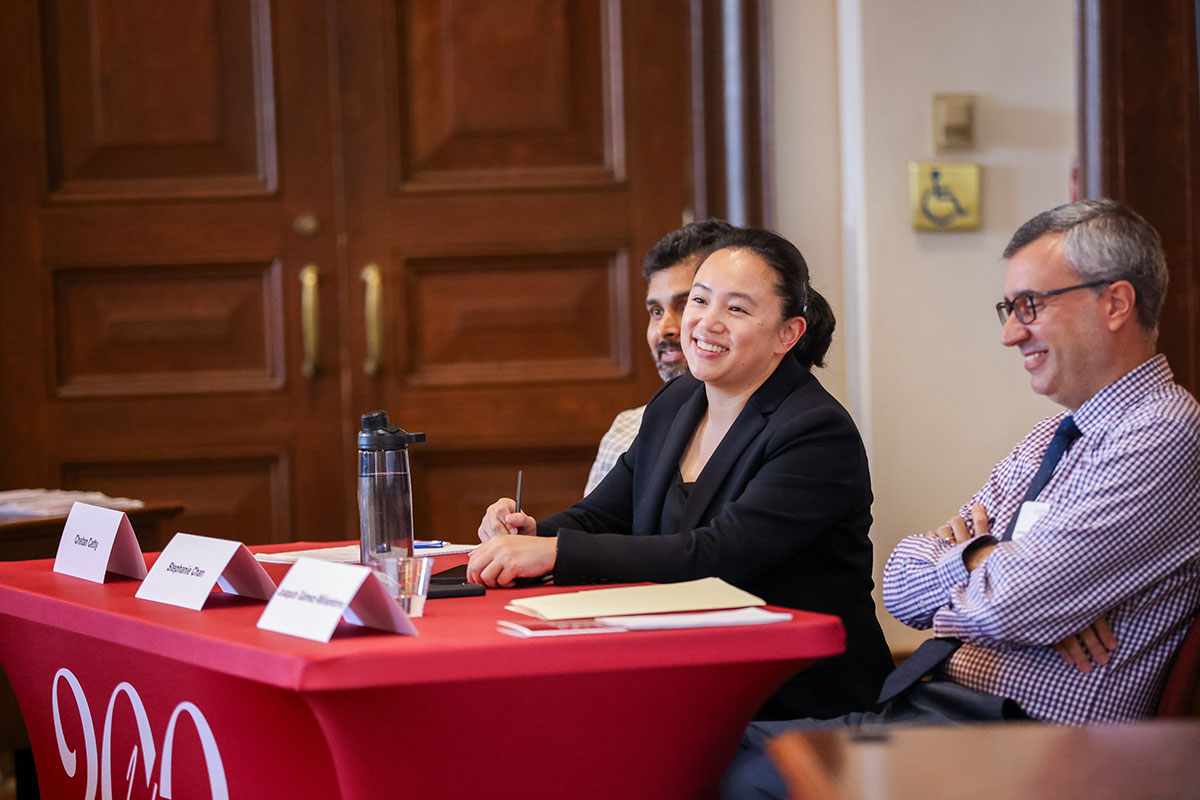
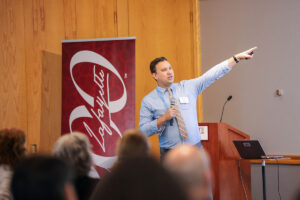
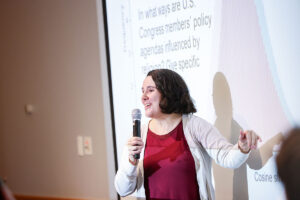
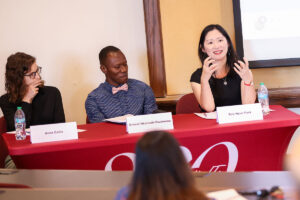
Between the plenary talks, faculty panelists discussed democracy from their unique perspectives and research. Each panel was moderated and clocked by a faculty member, each of them, in their own way, empathetic timekeepers making sure their colleagues, who have spent years developing and refining their research, kept to the format.
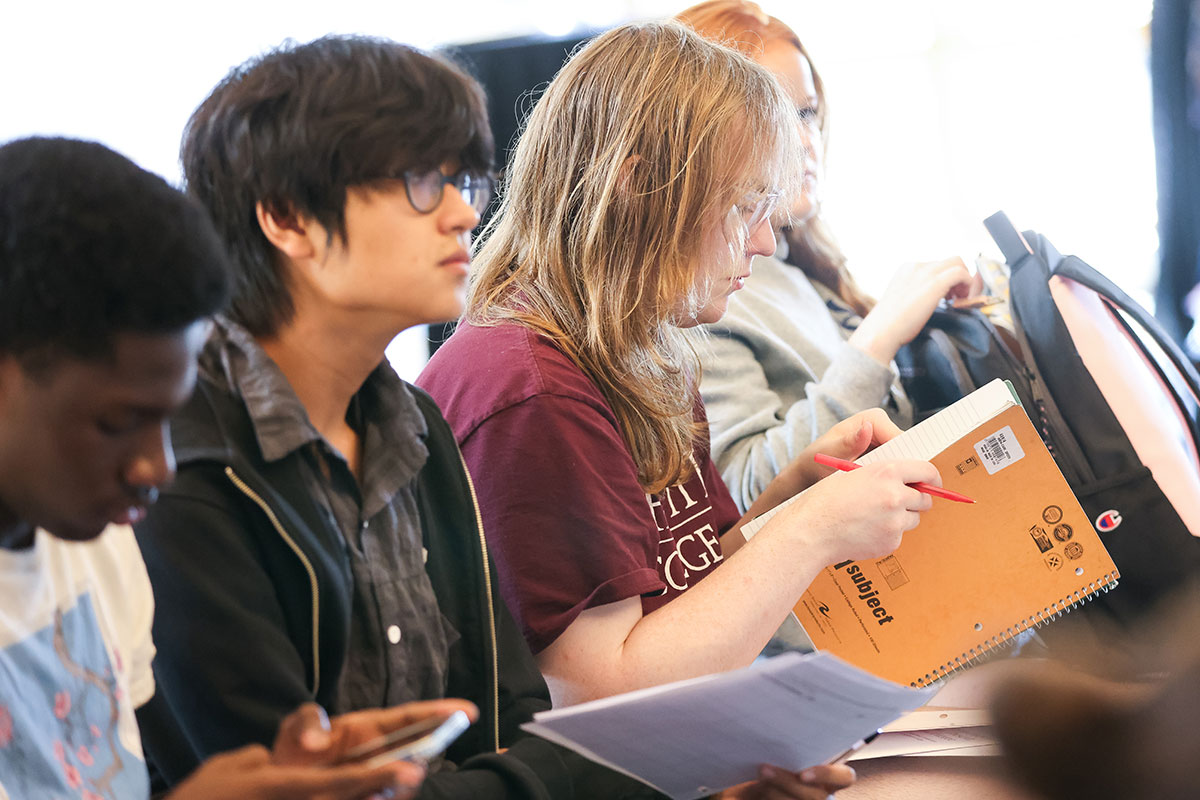
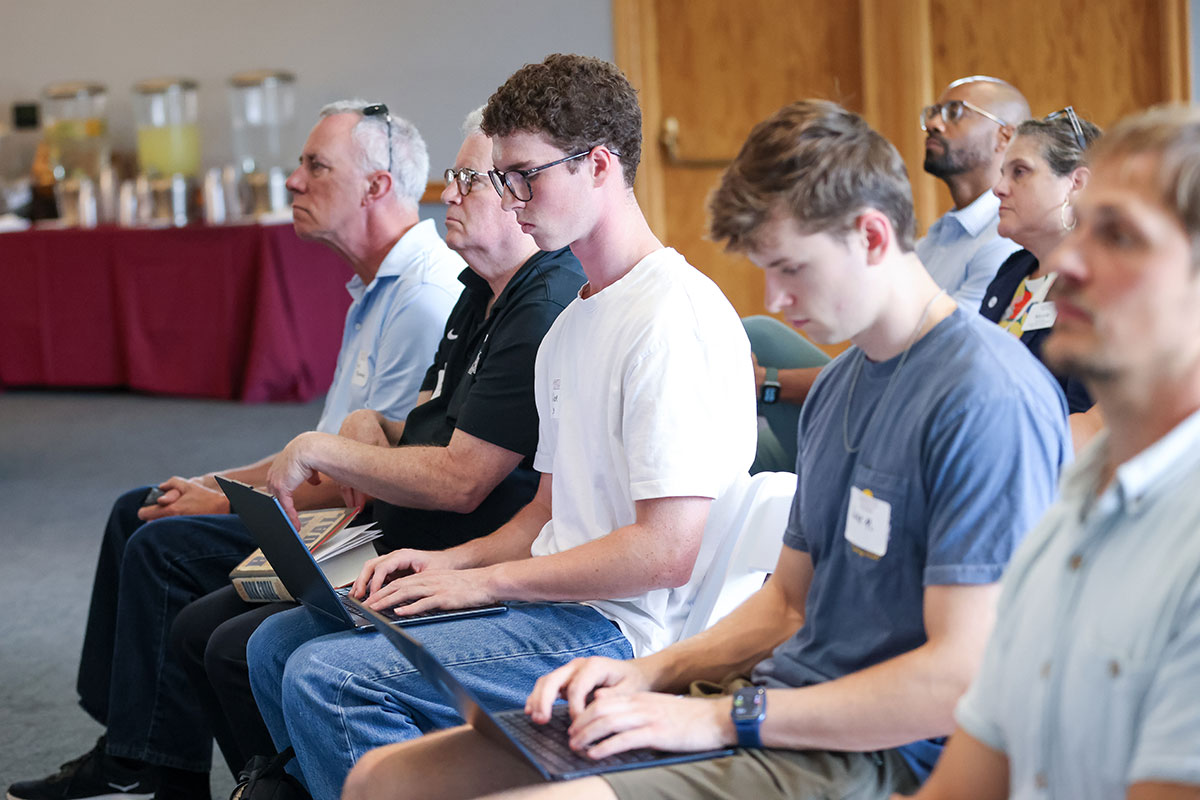
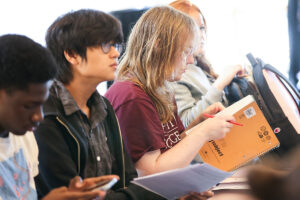
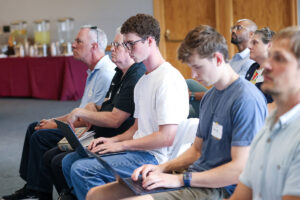
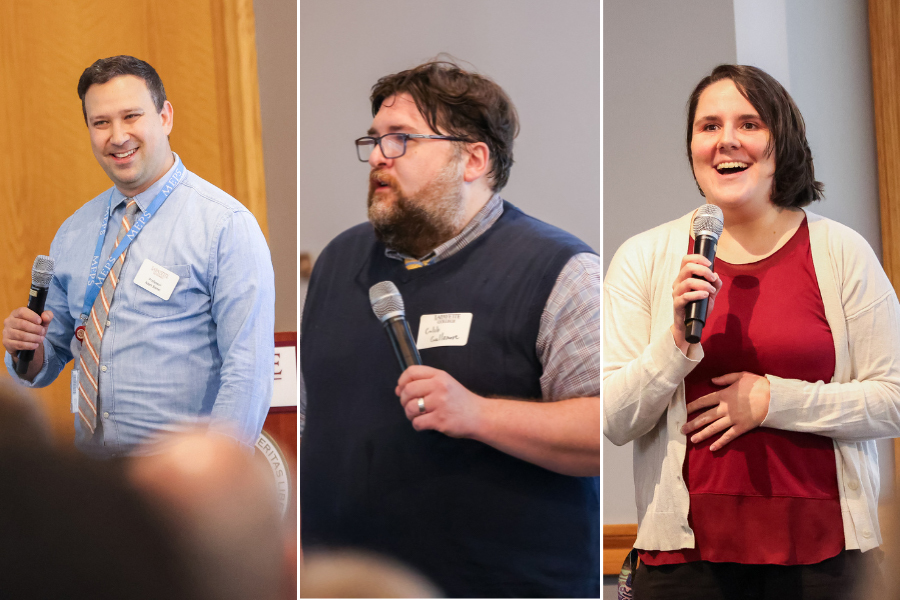
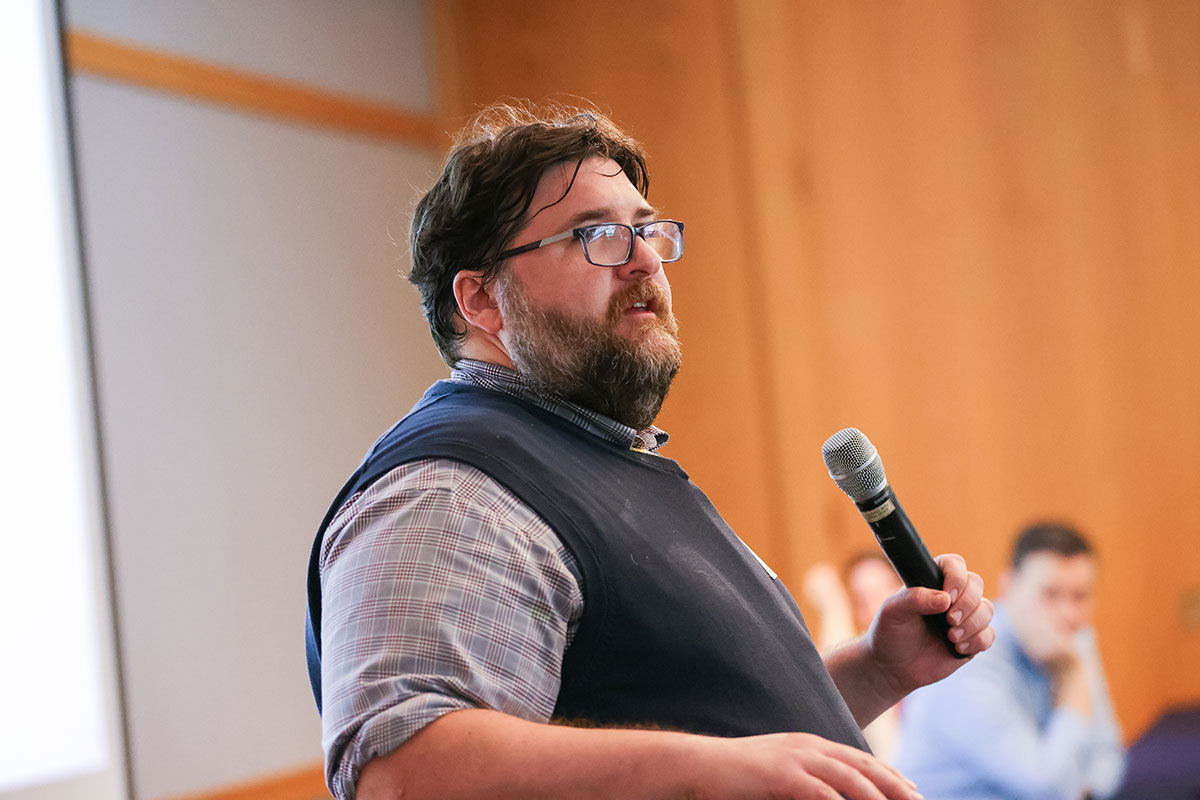
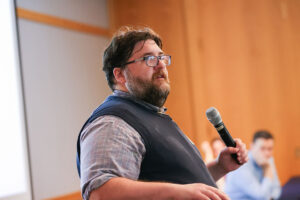
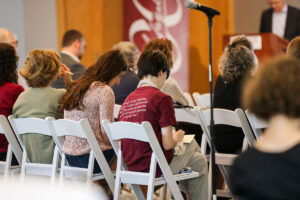
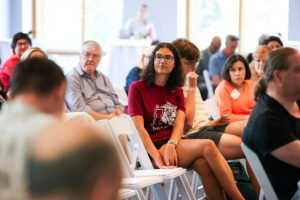
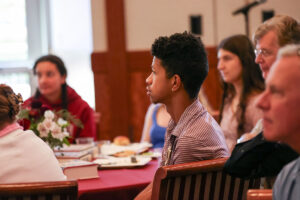
Lafayette faculty eagerly took questions from the floor from visitors, students, and colleagues. Even Amar and Landemore attended and actively participated in presentations across the two-day symposium.
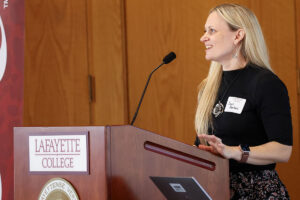
“The Bicentennial Academic Symposium was a meaningful opportunity to gather with so many students, staff, faculty, alumni, and other friends of the College for dialogue and lively discussion around the broad and important research and creative work of our distinguished campus scholars and visiting speakers,” said Meghan Masto, associate provost of scholarship, research, and academic initiatives.
“It was a poignant moment to reflect together on these topics and questions that matter to us all,” she added, expressing her appreciation for the College’s support of the event, the outstanding work and professionalism of colleagues across the campus who allowed the symposium to come together and run smoothly, and all of those who participated over the course of two days.
“I look forward to more events like this in the future that continue to strengthen and celebrate the rich intellectual life of the campus,” Masto said.