June 2, 2026
Inside the classroom: The world of extreme plants
Inside the Classroom is a series offering a glimpse into classes at Lafayette, the talented professors who teach them, and how they impact and define a student’s experience.
By Maddie Marriott ’24
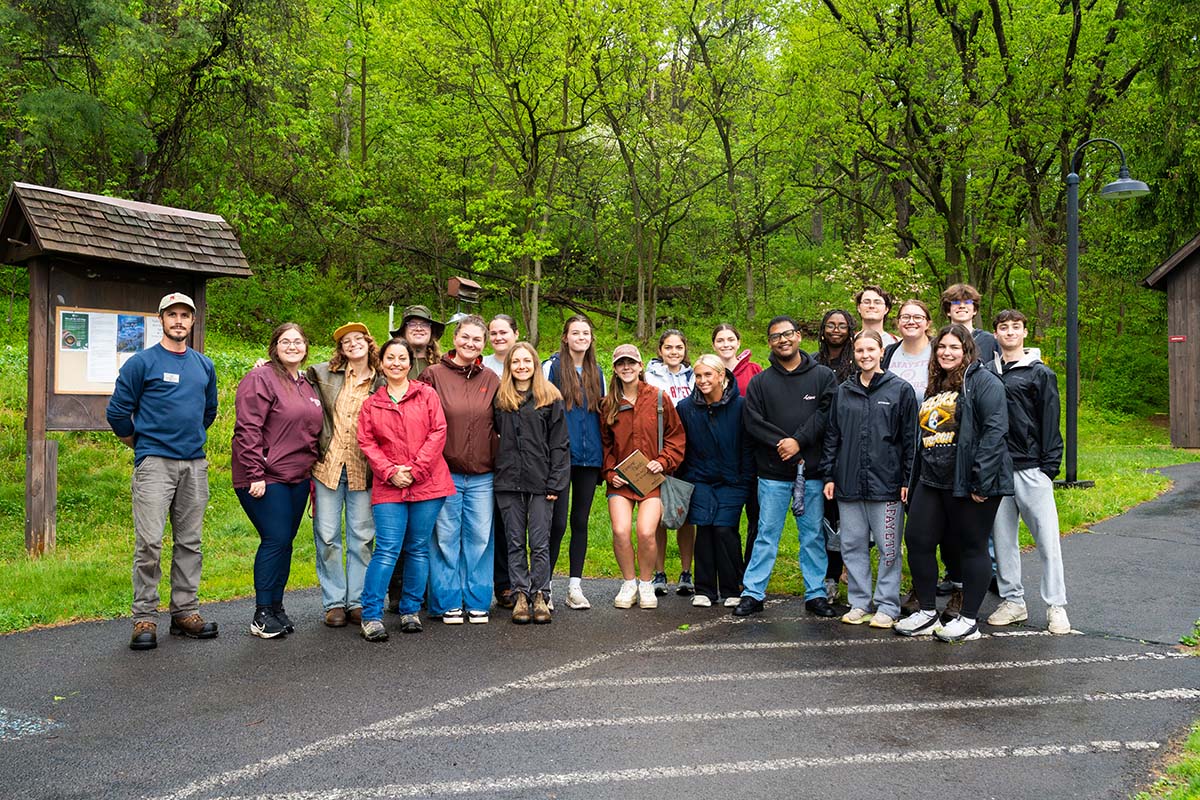
The Extreme Plants class at Mariton Wildlife Sanctuary | Photo by JaQuan Alston
The Biology Department’s Extreme Plants course was designed by botanists, for botanists.
“When I was a student at Lafayette, I was the botany class teaching assistant, and even then, the class rarely got more than five students,” explains Megan Rothenberger ’02, professor of biology. “There was a perception that students didn’t want to learn about plants, because plants are boring. When I made my way back to Lafayette as a professor, I set an intention to redesign a plant biology class so students would really want to take it.”
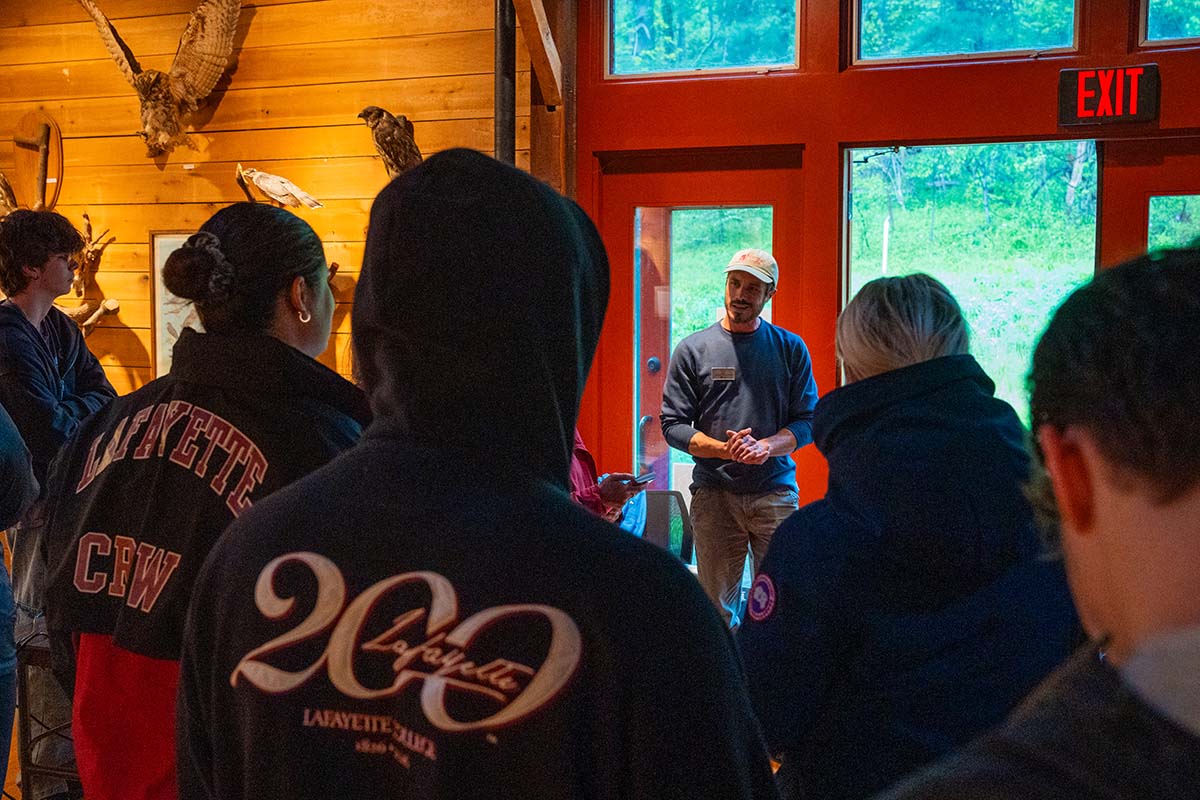
Zane Miller, Natural Lands Preserve Manager, gave a guided tour of Mariton Wildlife Sanctuary to the Extreme Plants class. | Photo by JaQuan Alston
Rothenberger achieved this goal with BIOL 224: Extreme Plants, which was over-enrolled in spring 2026. Named for the extreme biomes in which plants adapt to survive, the class is a green-thumb enthusiast’s dream: drawings of plant anatomy as viewed under a microscope, visits to nearby bogs and grasslands, and lessons on the cultural and medicinal importance of particular plants.
Students engaged with multiple rare plants. | Photo by JaQuan Alston
Field trips this semester included Jacobsburg State Park to learn about its use of fire to manage wildflowers in its grasslands; Tannersville Cranberry Bog to see the evolution of carnivorous plants there; a lesson on toxic soils at Lehigh Gap Nature Center; and a year-end celebration at Mariton Wildlife Sanctuary, a nature reserve located right in Easton where students saw rare plants like wild ginger.
“There was so much interdisciplinary material,” says Olivia Wund ’28, a biology and environmental studies double major who took the course this spring. “We did art, reading, discussions, and lab work, and then we got to go on all of these different field trips to actually see those plants in the wild.”
Extreme Plants is also unique in its emphasis on field journaling.
“I had never done a field lab like this before where you bring along your journal, observe, and note species and things about the habitat,” Wund says. “I think that’s a really valuable skill.”
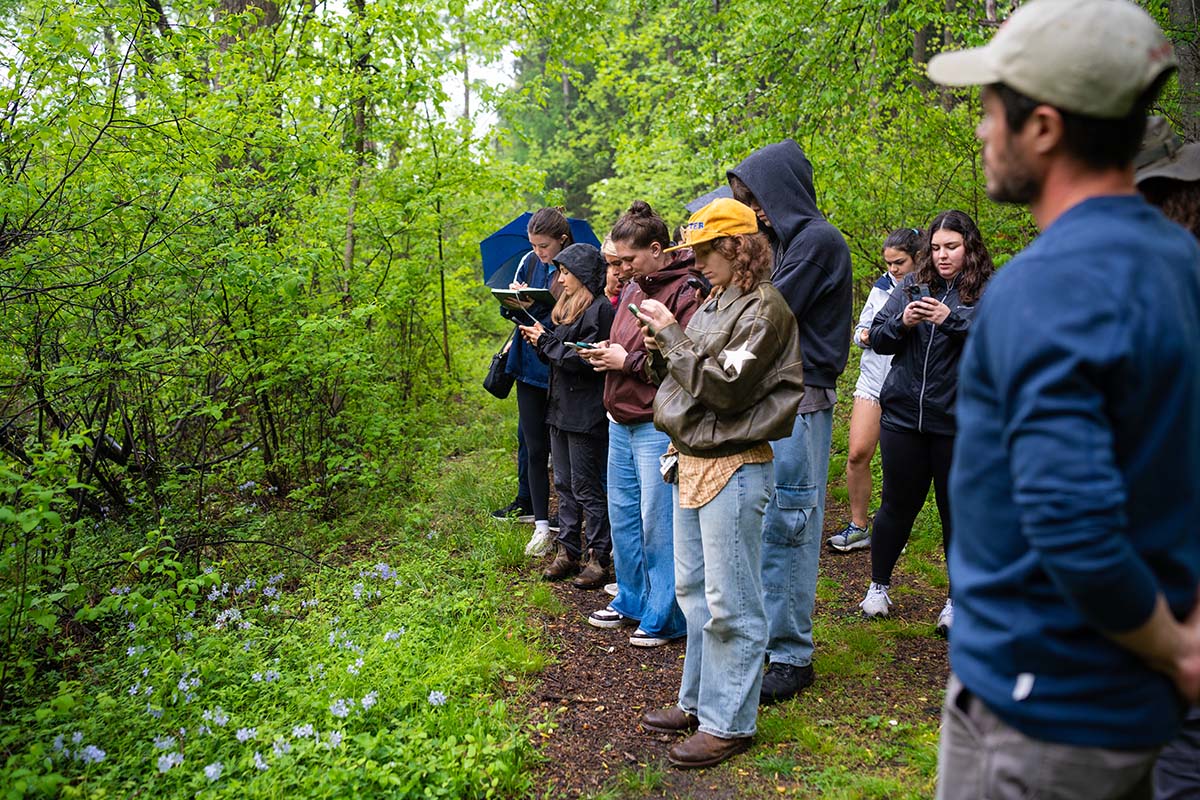
Field journaling was a featured component of Extreme Plants. | Photo by JaQuan Alston
Throughout the semester, students also worked in groups on a “plant appreciation ceremony,” created to recognize, admire, and enjoy plants for their qualities beyond academic and scholarly information explored in the course’s lecture portion. Students began each ceremony with a brief introduction to the natural history and cultural importance of the plant, followed by a shared ritual to engage with the plant. Groups took nature walks to find their native plants on campus or made tea, soap, and epsom salts.
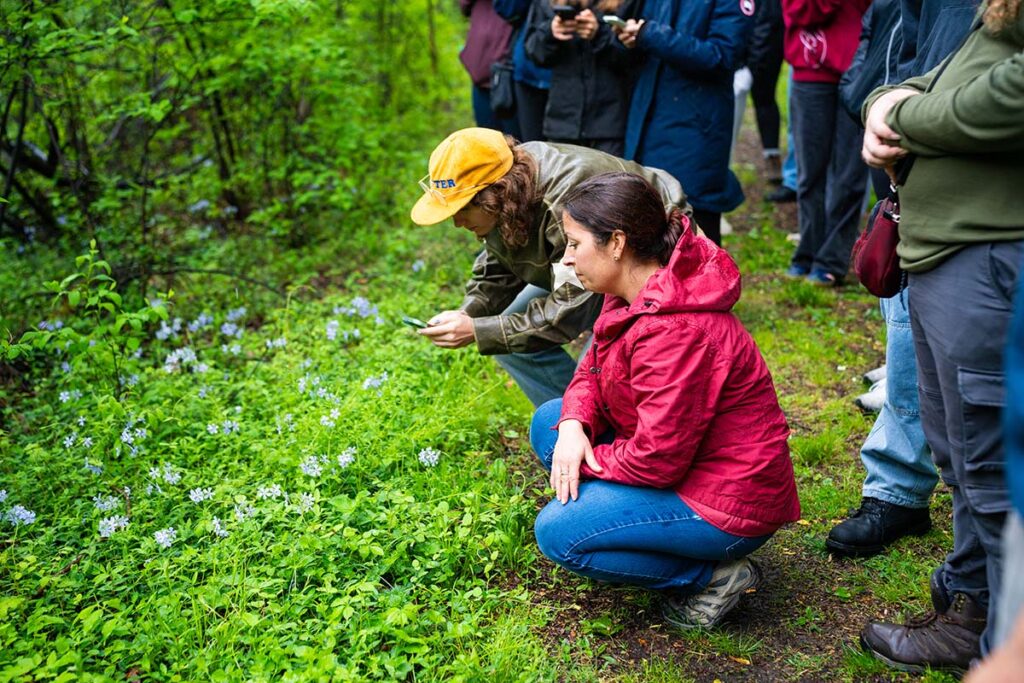
Prof. Meg Rothenberger leads the Extreme Plants course. | Photo by JaQuan Alston
“Of course, I want students to leave with the knowledge of the anatomy and physiology that I learned as a student, but also a bigger appreciation of plants,” Rothenberger says. “I intentionally incorporate some of the more humanistic and cultural sides of the discipline so students can have a relationship with the plants.”

Tagged with: Inside the classroom