Pepper Prize nominees reflect on why they chose Lafayette and where they’re headed next
By Genamarie McCant
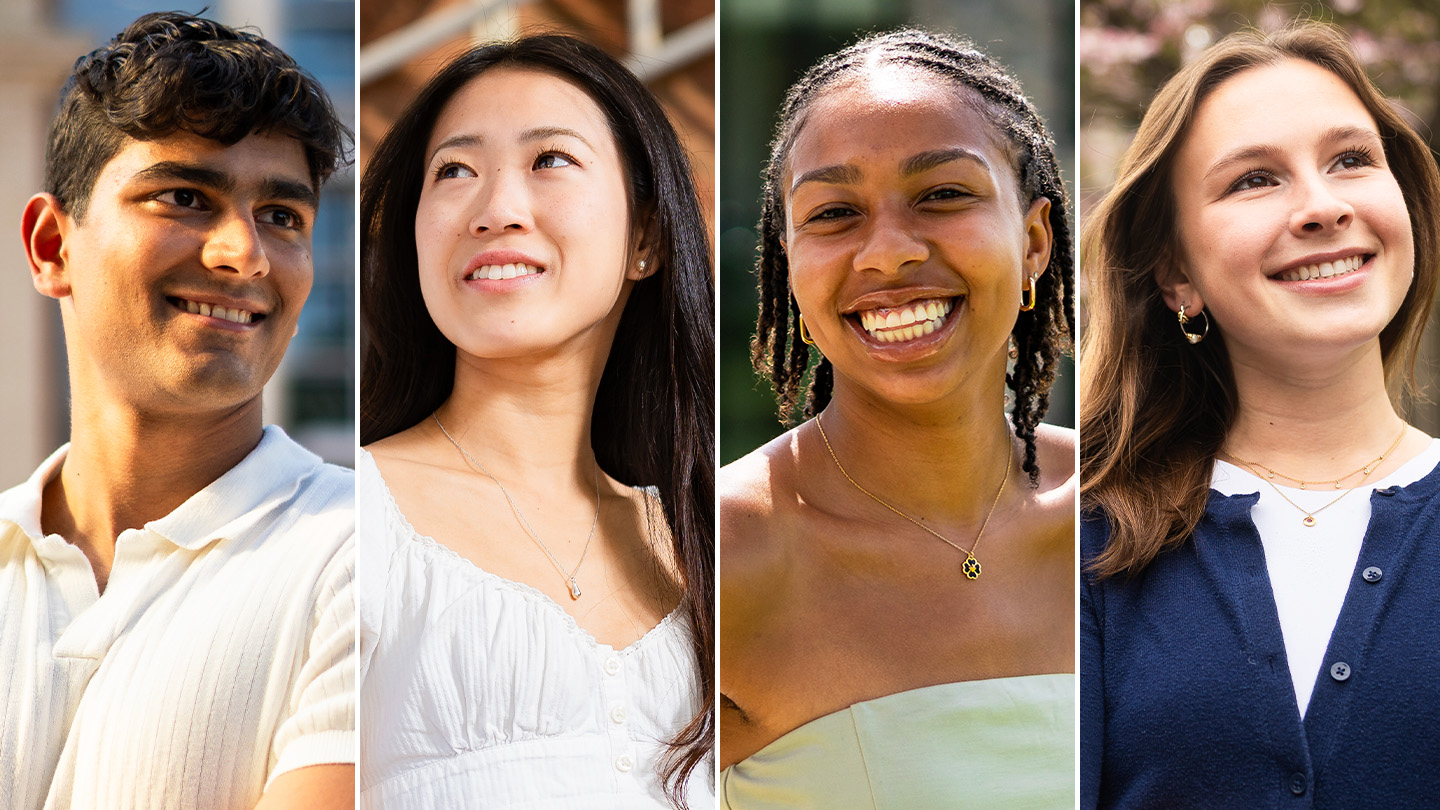
From left to right: Kashif Chopra ’26, Yuko Tanaka ’26, Kushur Davidson ’26, Hope Basaman ’26 | Photos by JaQuan Alston
As their Lafayette chapters come to a close, the 2026 George Wharton Pepper Prize nominees share why they chose Lafayette and where their paths will take them next.
Dexter Kennedy ’26
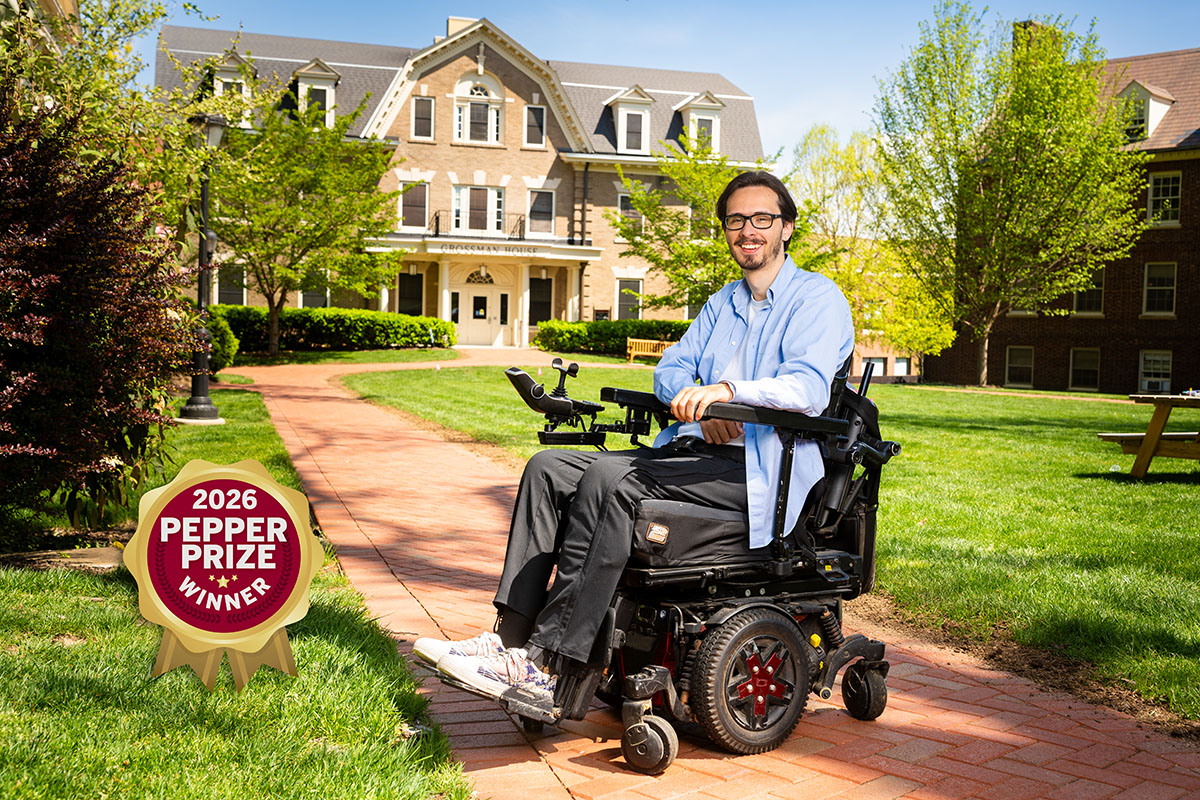
2026 George Wharton Pepper Prize winner Dexter Kennedy ’26 | Photo by JaQuan Alston
What made you choose Lafayette?
“I was attending a bunch of virtual admitted students sessions among the colleges I was accepted to. Anytime I was on a Lafayette call, the students took the extra time to get to know me and give me personalized recommendations for what I should do once I’m on campus. Also, my cat often ended up sitting behind my head in the Zoom camera and Jade Saybolt-Halikias ’16, associate director of admissions, remembered his name weeks after I had told it to her while in a separate admitted students call! Everyone demonstrated that Lafayette was such a caring community, and it made me want to be a part of it.”
What’s next for you after graduation, and how did Lafayette prepare you for it?
“I will be attending NYU for a master’s in international education. I got to meet so many wonderful people and make incredible friends by becoming a part of the International Students Association, and they taught me about many different cultures. I got to learn about new holidays, art forms, and cultural practices, and everyone had such an inclusive attitude and wanted to support one another. I’m looking to create a similar community and environment for future generations of students. I also had the opportunity to study abroad twice during interim trips, and both experiences were challenging, but extremely rewarding and helped me explore outside my comfort zone. I’m hoping to support others so they can do the same.”
–Dexter Kennedy ’26 (psychology; art history)
More Information
- The George Wharton Pepper Prize, awarded annually to the senior “who most nearly represents the Lafayette ideal,” was established in 1923 by George Wharton Pepper H’22, a United States senator from Pennsylvania, an attorney, and a founding member of the Pennsylvania Bar Association.
Yuko Tanaka ’26
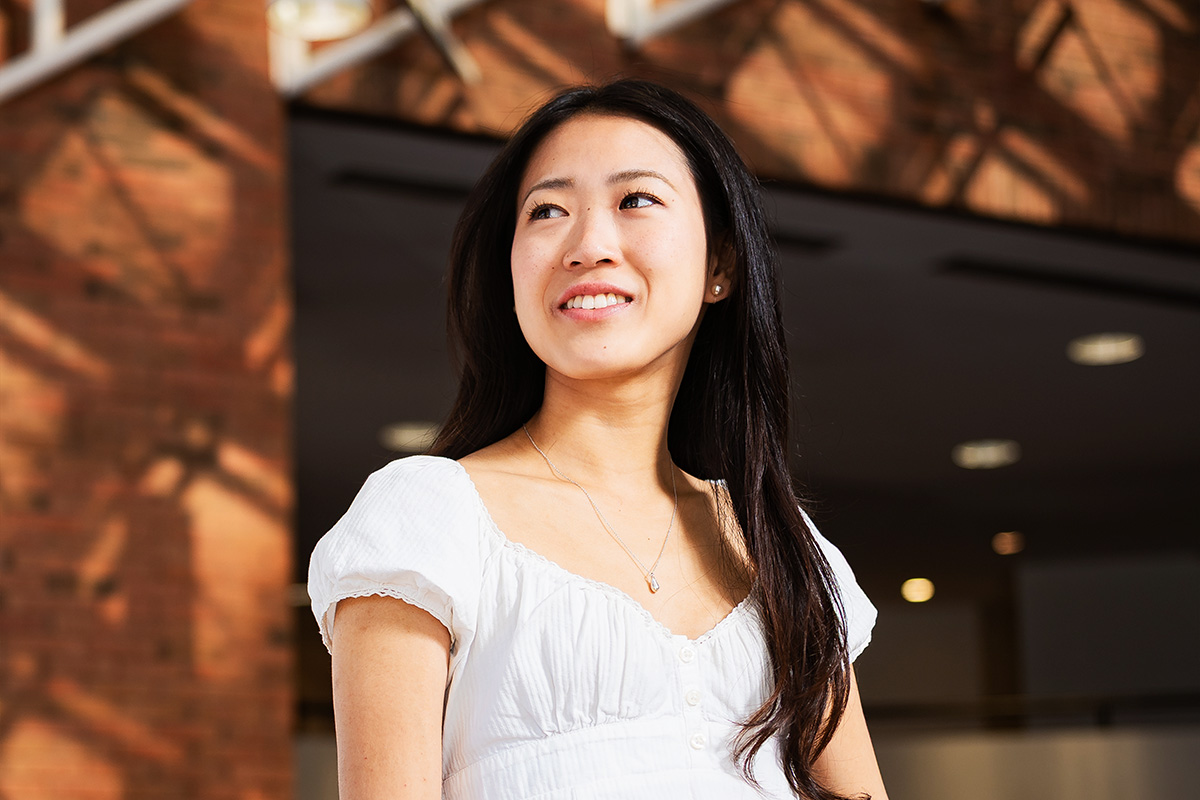
Yuko Tanaka ’26 | Photo by JaQuan Alston
What made you choose Lafayette?
“I was looking for a college that offered a strong liberal arts education within a close-knit, supportive community. Although I wasn’t able to visit Lafayette before making my decision, I had the opportunity to speak with a current student who had graduated from my high school. Even over Zoom, I could feel her genuine love for the community, and I was struck by a strong sense of warmth and belonging. In that moment, it simply felt right, and I knew Lafayette was the place for me.”
What’s next for you after graduation, and how did Lafayette prepare you for it?
“After graduation, I will pursue a Master of Arts in Art History and Archaeology at the Graduate School of Arts and Sciences at Columbia University. In my graduate studies, I hope to further develop my research on 19th-century European, particularly French, art, exploring how visual art, music, ballet, and opera intersect with social life and spectatorship in aristocratic and bourgeois society. I am truly grateful to the professors and advisers who supported and guided me throughout my academic journey and application process. Lafayette’s liberal arts education and small class sizes allowed me to explore my interests with curiosity and intention. What makes Lafayette especially meaningful is the genuine care professors show for their students and the supportive, collaborative environment they foster for students.”
–Yuko Tanaka ’26 (music; art history)
Hope Basaman ’26
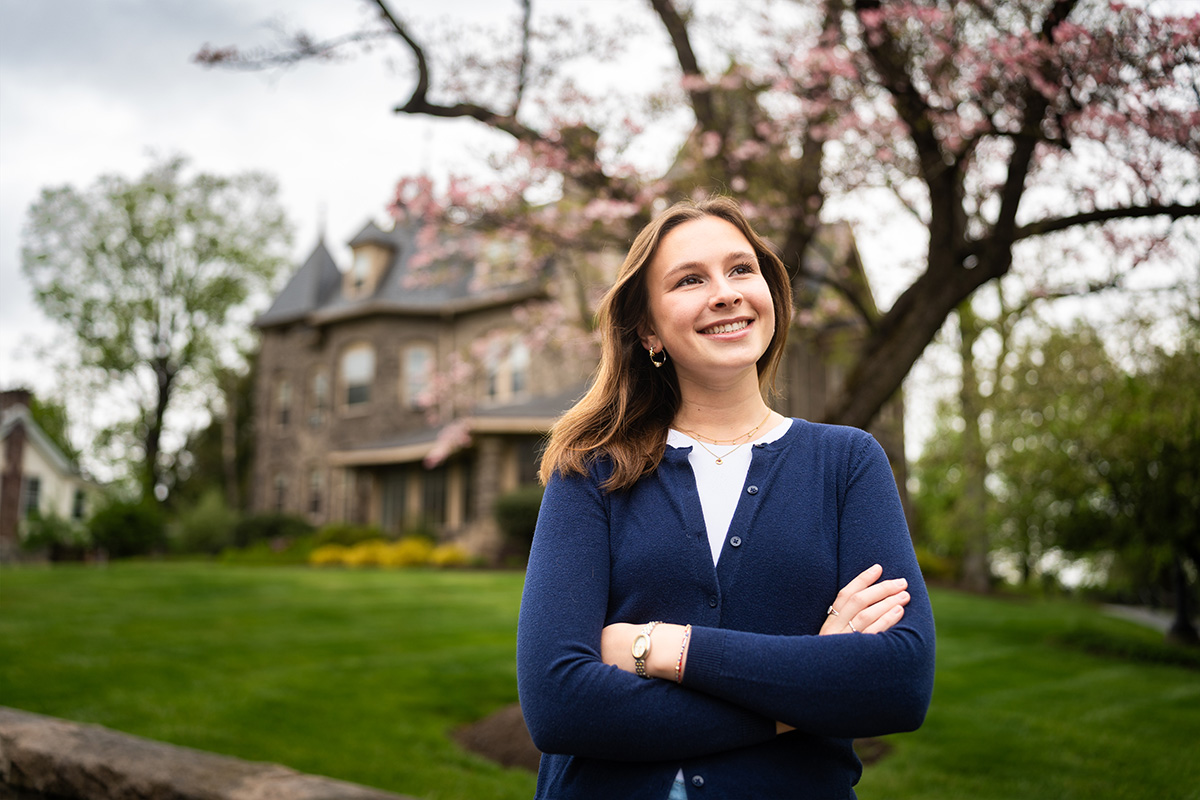
Hope Basaman ’26 | Photo by JaQuan Alston
What made you choose Lafayette?
“I knew that Lafayette was the school for me the moment I arrived during my senior year of high school, when my family and I stopped by to visit the campus. A student walking on the Quad asked us whether we needed help finding anything or if we wanted to learn more about Lafayette. This simple gesture foreshadowed my next four years in the most welcoming community I have ever known. In addition to a friendly community where everyone smiles at each other and holds the door for one another, Lafayette offered my ideal academic curricula by adding an organizational studies minor my first year, supporting me with my professional goal of helping organizations work better together. My research into Lafayette enlightened me to all of the ways students are able to engage with Easton, and I knew that community connection was something that would be part of my college experience. Little did I know this passion would bring me the opportunities and relationships that would shape my college career.”
What’s next for you after graduation, and how did Lafayette prepare you for it?
“Following graduation, I will be pursuing a Master of Public Administration degree at Cornell University’s Jeb E. Brooks School for Public Policy. My Lafayette experience taught me how important it is to grow and learn alongside my community. Time spent working with the Landis Center, engaging with our Psychology and Asian Studies Departments, studying abroad, and learning from my peers guided me toward a career focused on connecting communities to resources and promoting corporate social responsibility. Classes such as GOVT 419: Global Governance and PSYC 329: Clinical Psychology, along with the Pre-Orientation Service Program (POSP) and Meals at Third Street programs, showed me the tangible results of critical thinking and human-centered action. During the past four years, I grew as a person, student, and leader because of Lafayette, Easton, and all those who showed me how to escape my comfort zone and reach my full potential. I am excited to bring the Cur Non spirit with me as I continue to actively engage with all of my future communities, which will forever include Lafayette.”
–Hope Basaman ’26 (psychology; Asian studies, minor in organizational studies)
Kashif Chopra ’26
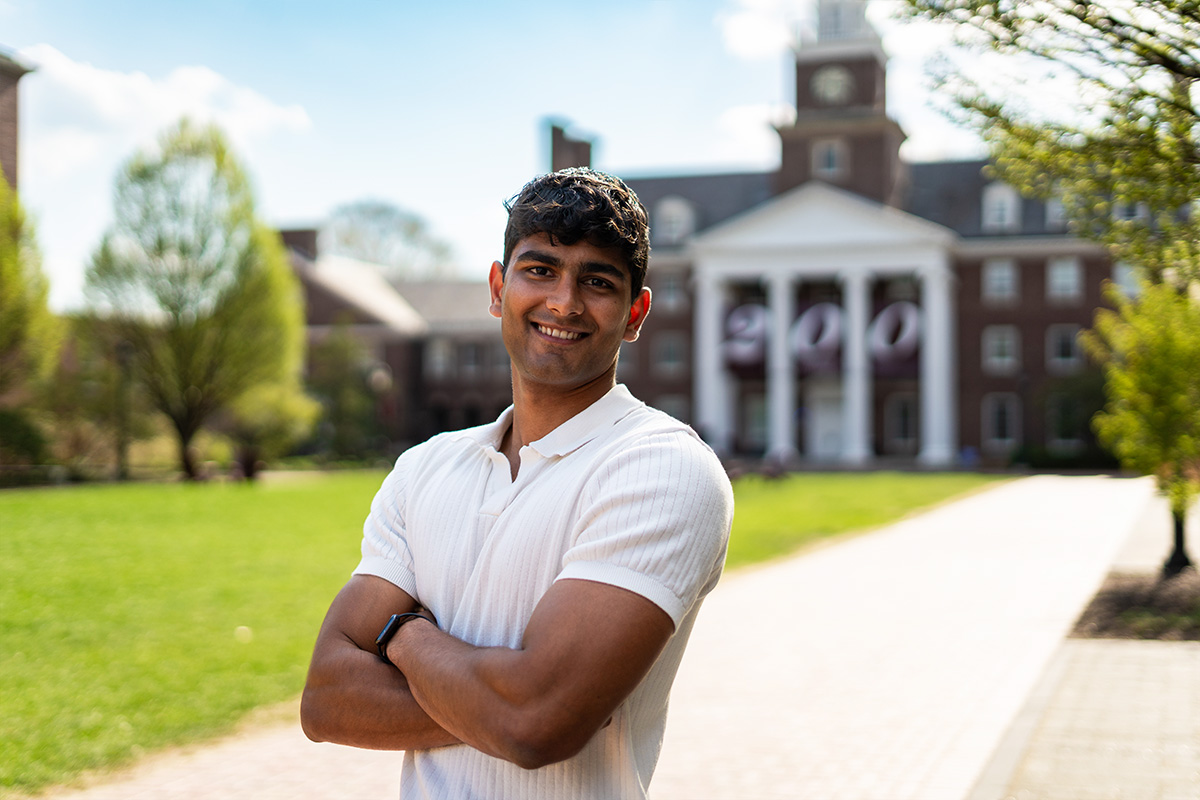
Kashif Chopra ’26 | Photo by JaQuan Alston
What made you choose Lafayette?
“The ability to study electrical engineering in a liberal arts environment—with small class sizes—was a big reason I applied to Lafayette. I was also selected into the Marquis Fellowship and Dyer Fellowship programs, which would allow me to meet other like-minded students and work on ideas I had for entrepreneurial ventures. My goal was to receive a well-rounded education while going deep into my major, and Lafayette provided the right environment to do that.”
What’s next for you after graduation, and how did Lafayette prepare you for it?
“I’m going to work as an Electrical Engineer for xAI—part of SpaceX—designing efficient power systems for AI model training infrastructure. A big aspect Lafayette helped me with was giving me an open slate to build and explore. SpaceOna, a student-led startup that provides real-time usage information, was born out of this freedom. Immense support from the Dyer Center, along with access to campus administration, allowed me to not only build the technology with my team, but also implement it on campus and have an actual impact. Having had the experience to build and scale a technical project, along with the soft skills I learned here, were instrumental in being prepared for this next phase in my life.”
–Kashif Chopra ’26 (electrical and computer engineering)
Elizabeth Miller ’26
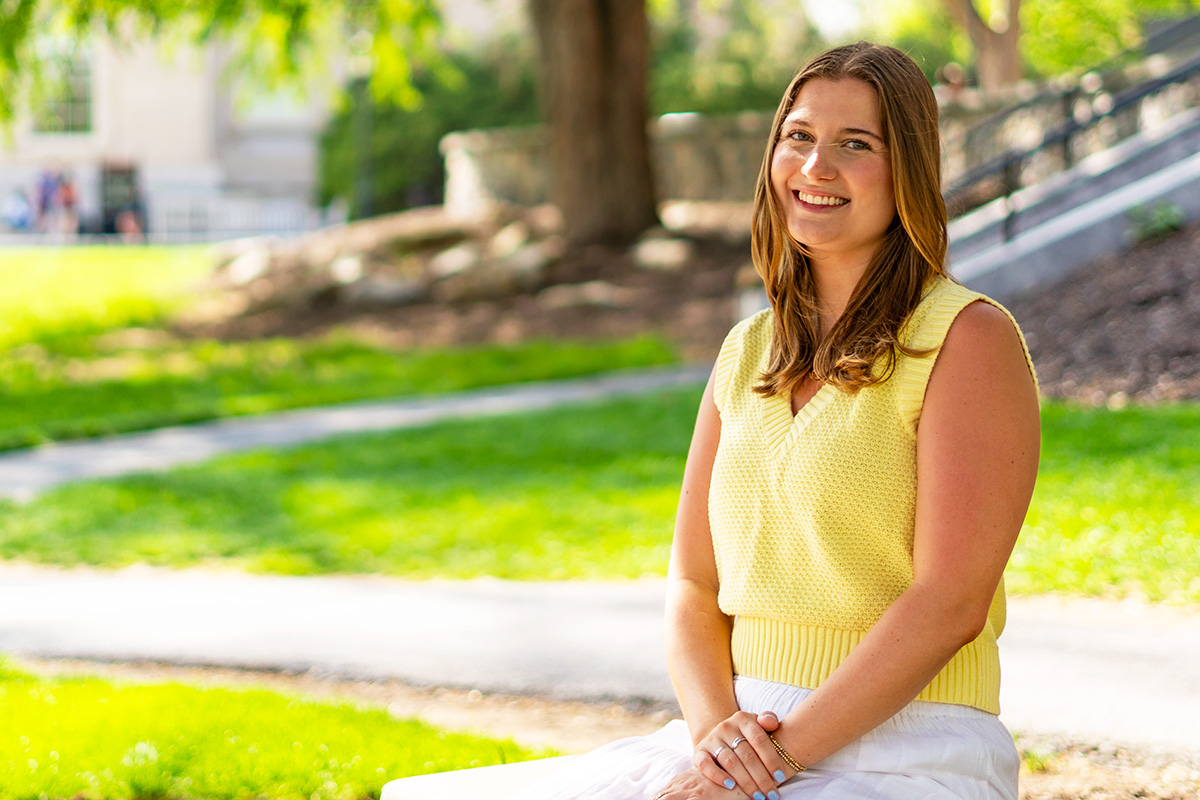
Elizabeth Miller ’26 | Photo by JaQuan Alston
What made you choose Lafayette?
“I chose Lafayette as a very indecisive senior coming from an engineering vocational high school in New Jersey. I knew I didn’t want to pursue engineering after high school, but I still had an interest in STEM, specifically earth science. I also wanted a rigorous social science curriculum filled with discussion-based classes. The opportunities for research, interdisciplinary studies, and involvement within the vibrant campus community were top selling points for me. After four years, I can confidently say I would choose Lafayette over and over again. I leave far more decisive than I arrived, grateful that the school I agonized over choosing turned out to be exactly where I was meant to be.”
What’s next for you after graduation, and how did Lafayette prepare you for it?
“Next year, I will be working as an environmental geologist for WSP, where I interned last summer, on its Site Remediation team, cleaning up contaminated sites across New Jersey and Pennsylvania. I have the Lafayette Geology Department to thank for preparing me through labs, lectures, and hands-on fieldwork through trips and projects in all of my classes; some highlights were wandering through the Devonian in GEOL 320: Paleobiology with Prof. David Sunderlin, John H. Markle Professor of Geology and department head, and crafting an “Igneous World Tour” in GEOL 307: Igneous and Metamorphic Petrology with Prof. Tamara Carley, associate professor of geology and environmental geosciences. In the future, I plan to go to graduate school for environmental science and policy. I’ve valued the opportunity to major in both geology and government and law here, and the skills I’ve gained from both majors will be vital to my success in the intersection of the disciplines. Lafayette has truly prepared me for my life and aspirations after graduation; I look forward to the future with confidence and back to my alma mater with gratitude.”
–Elizabeth Miller ’26 (government and law; geology)
Kushur Davidson ’26
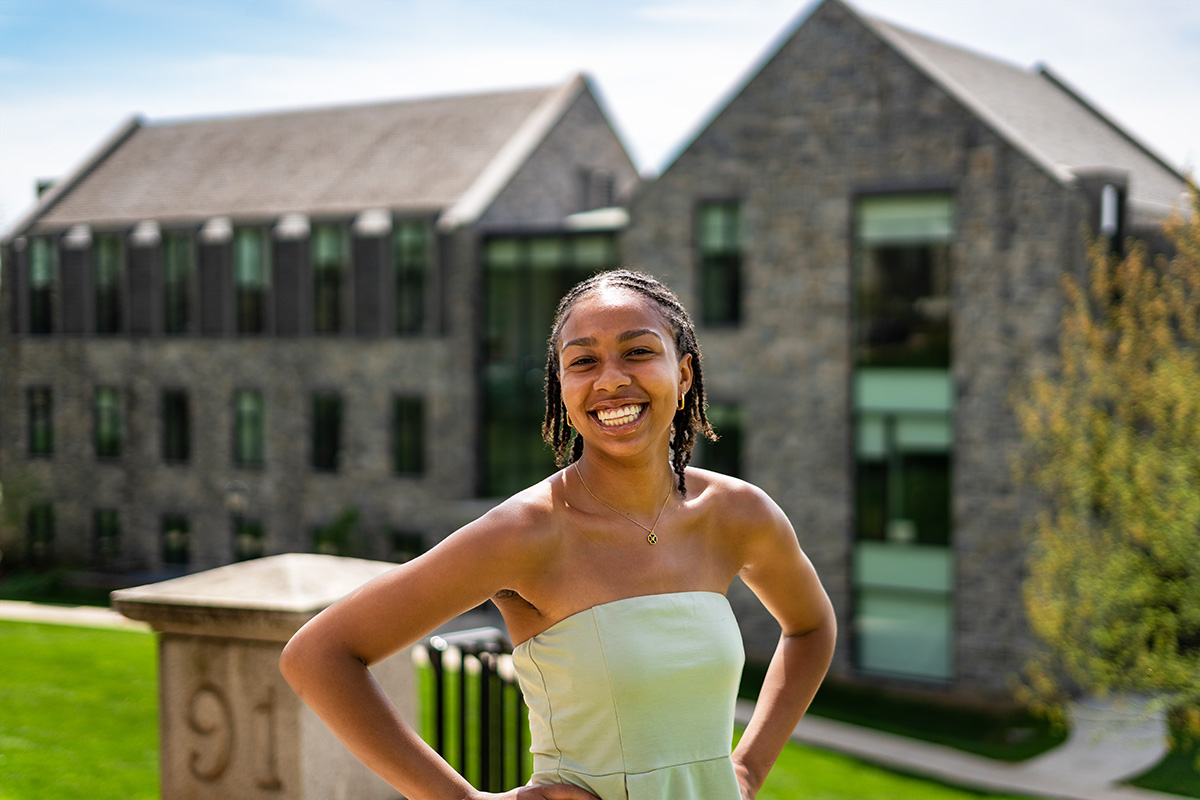
Kushur Davidson ’26 | Photo by JaQuan Alston
What made you choose Lafayette?
“I chose Lafayette because I wanted a college that truly felt like a home away from home. As a first-generation college student, I was not entirely sure what to expect, so I chose the environment that felt most welcoming and aligned with my values. I gravitated toward a place that would allow me to foster independence while still offering strong support from friends, faculty, and the broader Easton community. Lafayette gave me the confidence that I could grow academically and personally without feeling alone in the process.”
What’s next for you after graduation, and how did Lafayette prepare you for it?
“After graduation, I plan to pursue my master’s degree while working full time in the field of human resources. Lafayette has helped me prepare for this next chapter in my life by strengthening my leadership skills, building my confidence, and providing hands-on experiences that connect theory to practice. Most importantly, it has shaped me into someone who is adaptable, driven, and ready to navigate new opportunities with purpose.”
–Kushur Davidson ’26 (psychology; anthropology and sociology)
Jillian Berger ’26
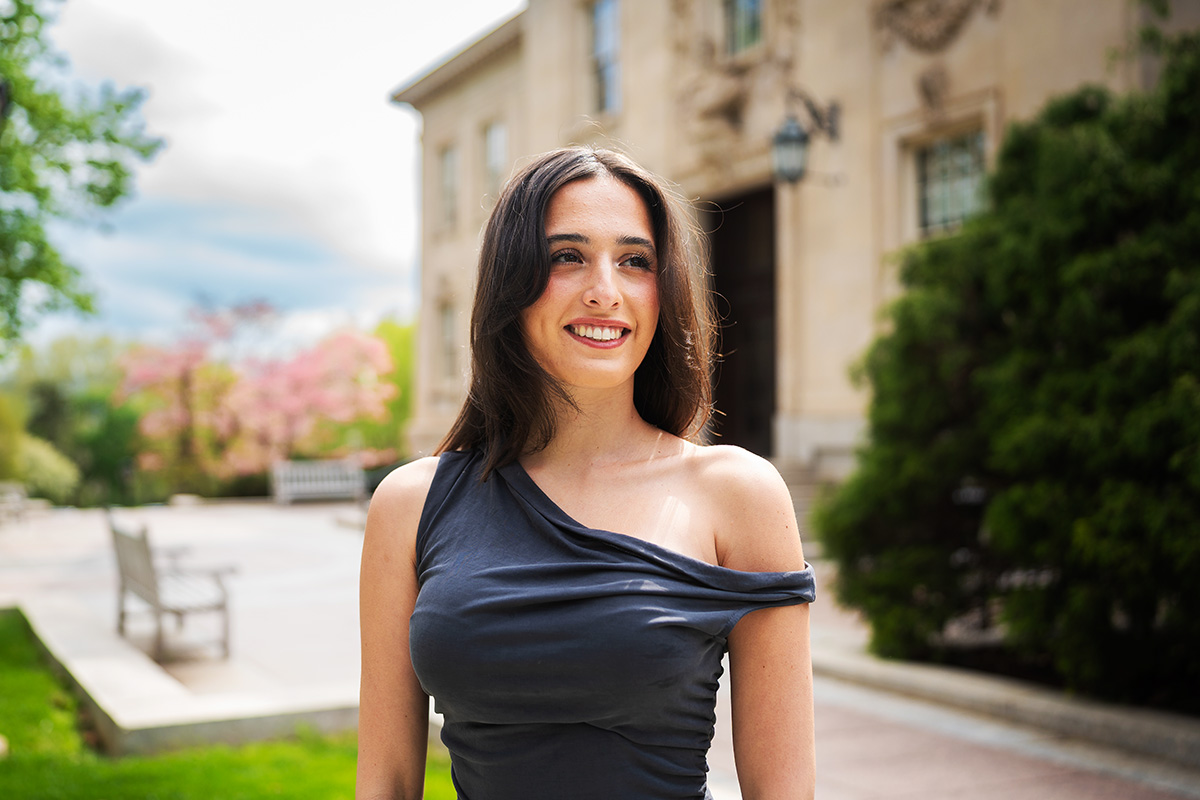
Jillian Berger ’26 | Photo by JaQuan Alston
What made you choose Lafayette?
“I chose Lafayette because it felt like a place where a commitment to social justice would not just be stated, but actively embodied by students. That impression first took shape through conversations with tour guides and students during Leopard for a Day, where I saw how deeply this commitment was woven into everyday campus life. It was then solidified through my discovery of the Pre-Orientation Service Program (POSP), which offers an immediate pathway into community-based work in Easton, and the Landis Center for Community Engagement, where I learned that early involvement can evolve into sustained, meaningful engagement. Together, these experiences revealed a clear pathway to deepen my commitment to service and affirmed Lafayette as a place where I could continue to grow in my pursuit of social justice.”
What’s next for you after graduation, and how did Lafayette prepare you for it?
“After graduation, I plan to pursue a career in public policy that centers a commitment to systemic change, social justice, and empowering marginalized voices. This commitment to empowering marginalized voices also carries into my work beyond policy, particularly by my book, Through Our Eyes, which I plan to finalize for publication after graduation. I am writing this book to offer visibility and transparency about the reality of homelessness to foster support, understanding, and hope for those who have experienced it. In doing so, this book aims to elevate the frequently marginalized voices of those who have experienced homelessness and to challenge the detrimental stigma associated with it. This project has been deeply meaningful to me, and my time at Lafayette has further strengthened my ability to thoughtfully develop it by equipping me with the tools to center lived experiences and amplify them through my work.”
–Jillian Berger ’26 (government and law; anthropology and sociology)
Benjamin Risley ’26
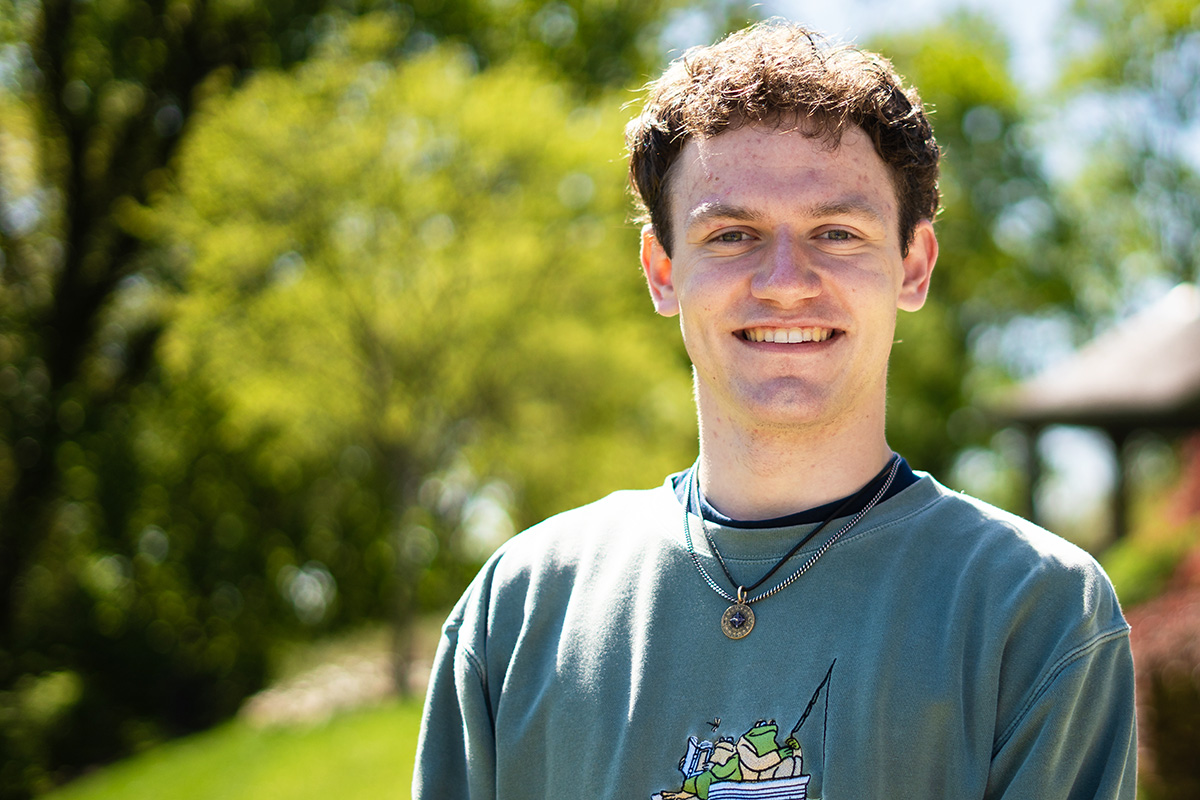
Benjamin Risley ’26 | Photo by JaQuan Alston
What made you choose Lafayette?
“In middle school, I joined a program that grouped a small cohort of students and teachers for two years to focus on hands-on experiential learning. After I applied to Lafayette, I came to XLC: Experience Lafayette College and felt the same tight-knit community of students that reminded me of the formative experience I had in middle school. I learned how Lafayette’s unique environment helps students forge close connections with faculty, extending their education outside of the classroom, and I felt this from the moment I set foot onto campus. Lafayette sold itself to me by showing me it wasn’t just a place to get an education, but a place to set my roots in an active community of learners who truly care about each other. I never thought twice about my decision to come to Lafayette.”
What’s next for you after graduation, and how did Lafayette prepare you for it?
“After I graduate from Lafayette, I will be attending Cornell Law School as a J.D. candidate for the Class of 2029. When I was a first-year student and I told my career adviser I wanted to go to law school, the first thing she told me was I could do anything I wanted. I used that advice to broaden my horizons and invest my time in things that weren’t exclusively law school-related. The time I spent researching comparative politics, studying abroad in London, and all the other amazing things I’ve had the chance to do made me a well-rounded student and prepared me for law school. When I was applying to law school, I realized these moments were my most formative experiences, ones that showcased not only what I had accomplished, but who I had become.”
–Benjamin Risley ’26 (government and law; economics, minor in data science)
Edna Sam ’26
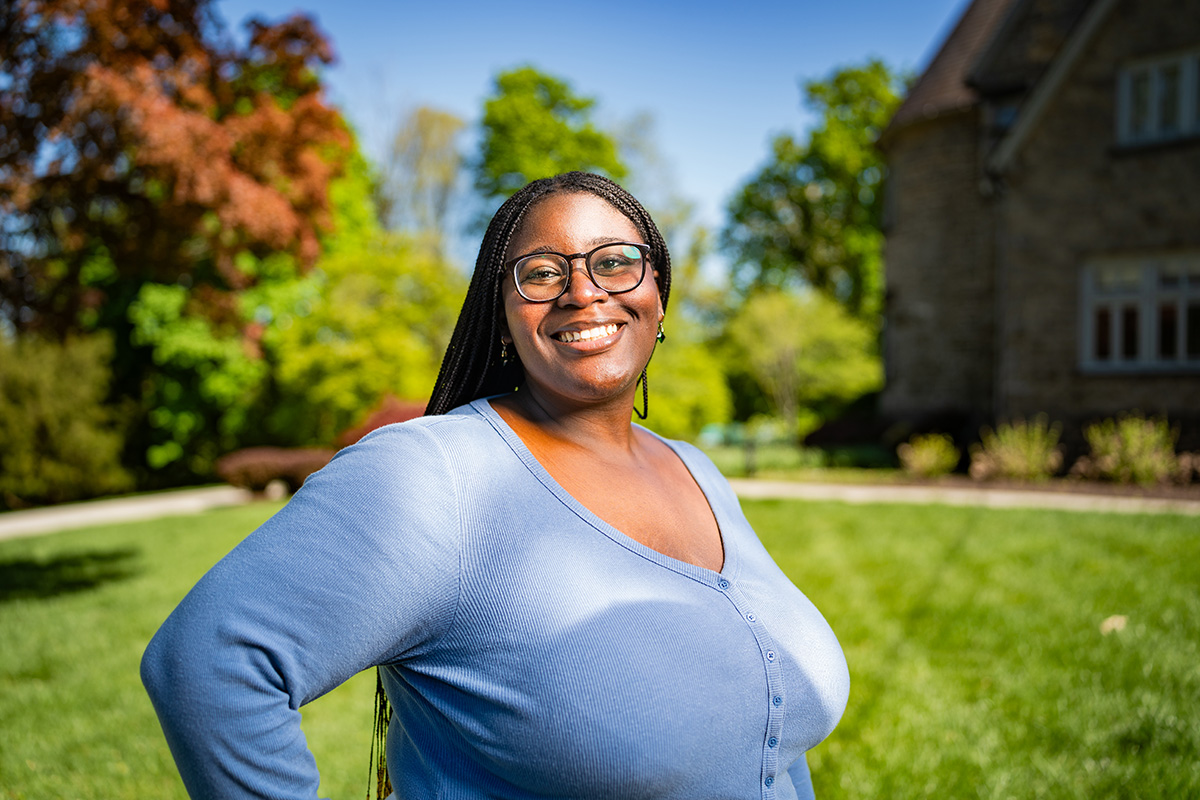
Edna Sam ’26 | Photo by JaQuan Alston
What made you choose Lafayette?
“My matriculation at Lafayette was largely informed by the Posse Foundation. Knowing that I would have a supportive network of students in every class year and our faculty mentor, Rachel Goshgarian, associate professor of history, to guide us through our collegiate journey, gave me an immediate sense of ease. I chose Lafayette knowing that Posse and the wider community here would encourage my growth and success in every area of my life.”
What’s next for you after graduation, and how did Lafayette prepare you for it?
“Post-graduation, I hope to pursue graduate-level education. Lafayette has given me the opportunity to broaden my academic and intellectual horizons through participation in undergraduate research through the EXCEL Scholars program, Digital Humanities Summer Scholars (DSS) program, and in supporting students who wish to pursue an undergraduate thesis. Thanks to the rigor of our courses, the quality of our faculty and staff, and the abundance of opportunities and resources available to students, I feel confident in my education and innate ability to succeed post-graduation.”
–Edna Sam ’26 (government and law; foreign language: Spanish, history)
Alexander Brown ’26
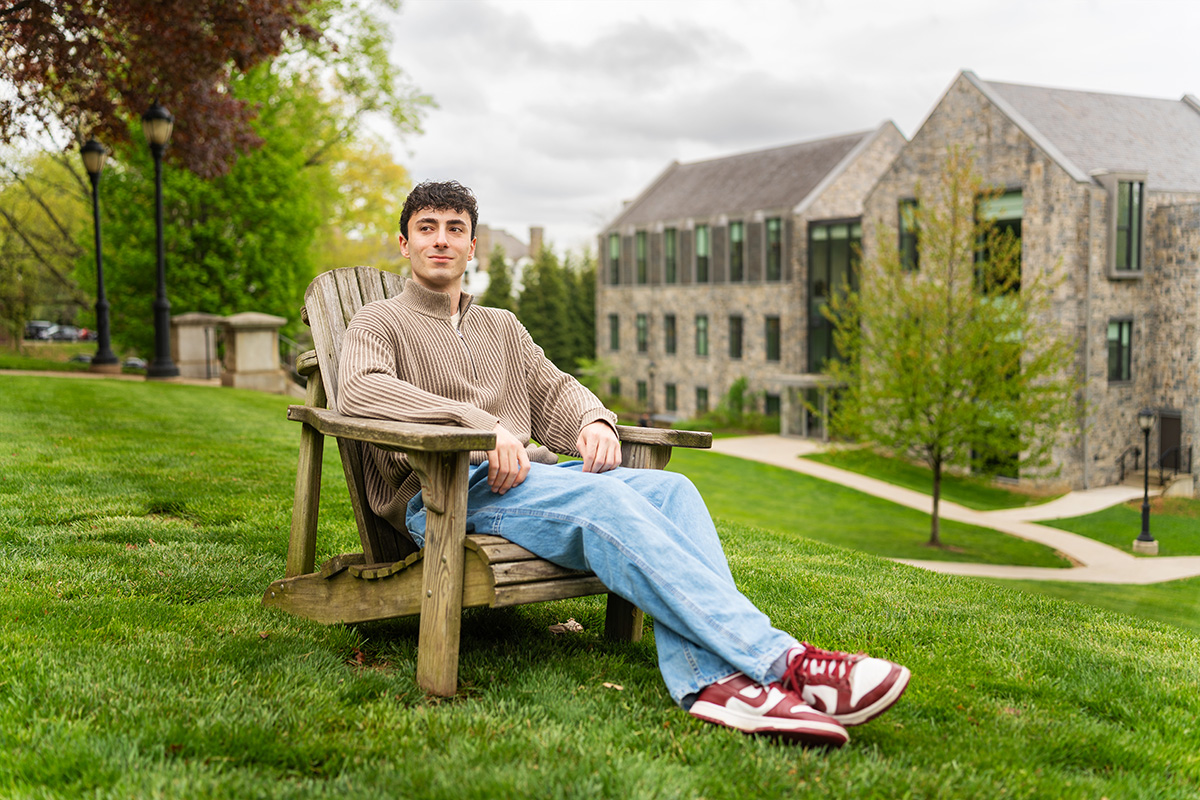
Alexander Brown ’26 | Photo by JaQuan Alston
What made you choose Lafayette?
“When I was looking at colleges in high school, I was searching for a college with a fencing team. I talked with a couple of different schools, and ended up being recruited to and committing early decision here. During my visits to Lafayette, I was stunned by the beauty of the campus, from the Quad to the buildings, and I thought the programs offered here would be a perfect fit for me.”
What’s next for you after graduation, and how did Lafayette prepare you for it?
“I’m currently looking for a job in the international affairs and foreign policy realm, and plan to work for a couple of years before eventually attending graduate school. While I don’t know what’s next yet, I know that I want to have a positive impact on the world, and Lafayette has prepared me to do so. The courses I’ve taken here have made me a substantially better writer, researcher, and overall thinker, which I know will serve me well going forward, no matter what I do. Lafayette has also helped me pursue summer internships in Tanzania and D.C., which have been formative in my career exploration. I couldn’t be more grateful for everything I’ve learned and all the people I’ve met along the way!”
–Alexander Brown ’26 (international affairs; government and law, minor in economics)
Cord and Sword Ceremony
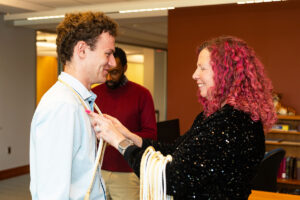
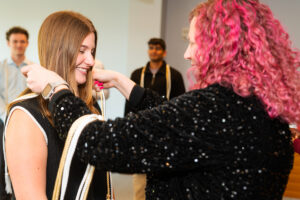
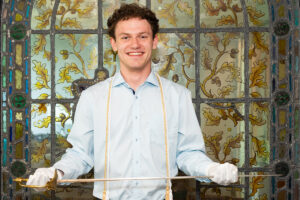
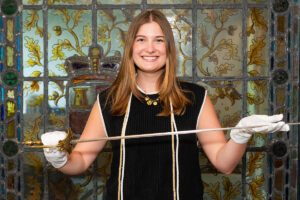
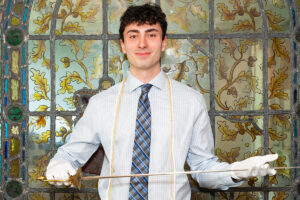
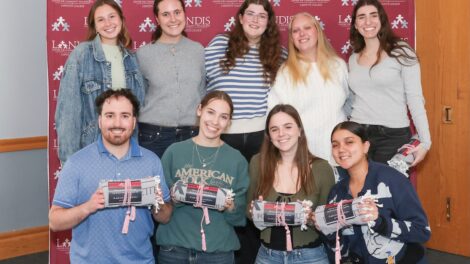
Finalists for the 2026 George Wharton Pepper Prize attended the annual Cord and Sword Ceremony, a spring tradition that includes the Marquis de Lafayette’s sword—one of Lafayette College’s most prized artifacts.
Pepper Prize finalists were called alphabetically to receive their cord and hold the sword. “I am really impressed with this outstanding group of scholars; they have footprints all over campus and within the Lafayette community across academic disciplines, professional experiences, and social and personal interests,” shared Tim Cox, dean of advising and co-curricular programs.
“In the past, there were not many chances for finalists to celebrate together. I think the students really appreciate the opportunity to meet or connect with one another in this space,” Cox said. “The cords and the sword have symbolism, yes, but the real purpose of this event is to honor each scholar’s unique contributions to Lafayette. I am glad they all have a chance to be recognized in this regard.”
Nominees not pictured have been given the opportunity to view the sword and receive their cords at a later date.