November 9, 2026
Inside the Classroom: Exploring the many facets of global democracy
Inside the Classroom is a series offering a glimpse into classes at Lafayette, the talented professors who teach them, and how they impact and define a student’s experience.
By Bryan Hay
A dreaded 8 a.m. class has often been described as a source of mornin’ misery, but students in Prof. Anna Callis’ arrive alert, coffee in hand, and ready to engage in lively, thought-provoking discussions around global democracy.
Offered once a year during the fall semester, GOVT 228: Global Democracy presents a survey of democracy across the world and where it stands, starting with students thinking theoretically about democracy and evolving into explorations of contemporary challenges to core elements of democracy in the United States and all over the world.
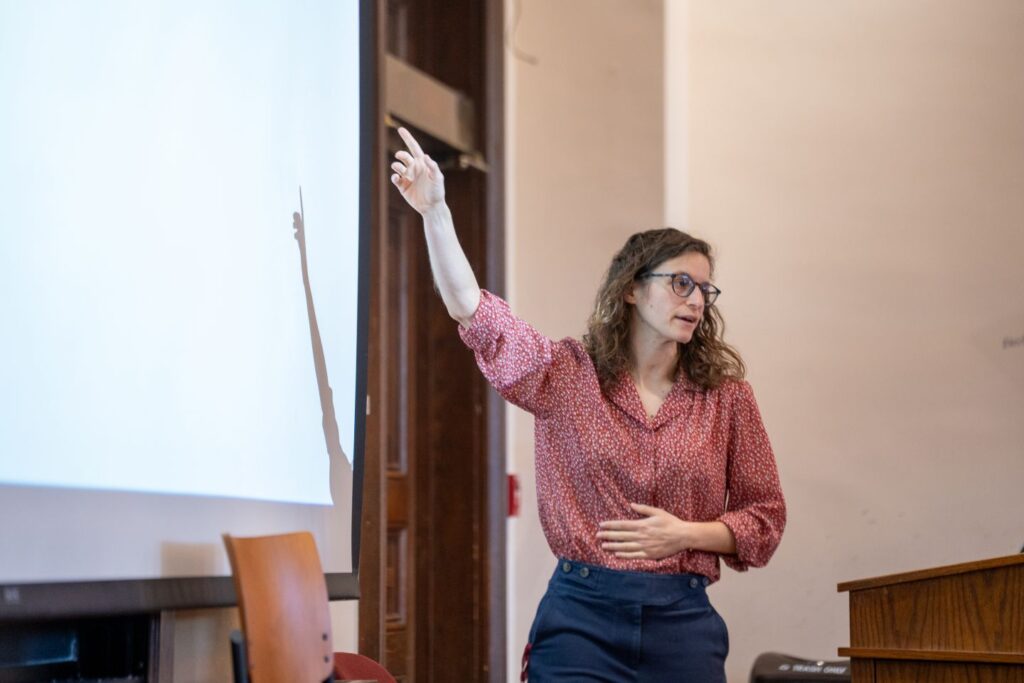
Anna Callis, assistant professor of government and law, gets her students instantly engaged in a vigorous discussion on political polarization. | Photo by JaQuan Alston
“We look at different cases and different issues that pose challenges to democracy today,” says Callis, assistant professor of government and law. “Those issues range from polarization and economic inequality to populism and ethnic conflict. Then we shift at the end of the semester to thinking about instances of democratic breakdown in the contemporary world and how they differ from the kind of military coups we’re used to historically. We end on a more uplifting note, thinking about the ways in which citizens and politicians can counter backsliding.”
Political polarization was the topic one Wednesday morning in late October, week 10 of the semester. Callis primed the class with a discussion about emotional and affective polarization, the positive effects of polarization, such as fostering solidarity and political movements, and the negative side of polarization, including violence, erosion of trust, and policy gridlock.
Her animated movements and energetic questions from the floor of the Kirby Hall of Civil Rights auditorium inspired a variety of spontaneous responses from her students, seemingly unaware of the early hour. The class also viewed and reacted to news clips showing the contrasting style of politicians, some who seek to unify and some who create discord.
Callis pulled up a segment from “Worlds Apart,” a Heineken ad campaign that invited strangers with opposing political viewpoints to participate in a blind social experiment. She asked her class to share their thoughts about what stood out and how people with disparate viewpoints could still engage despite political and social polarization.
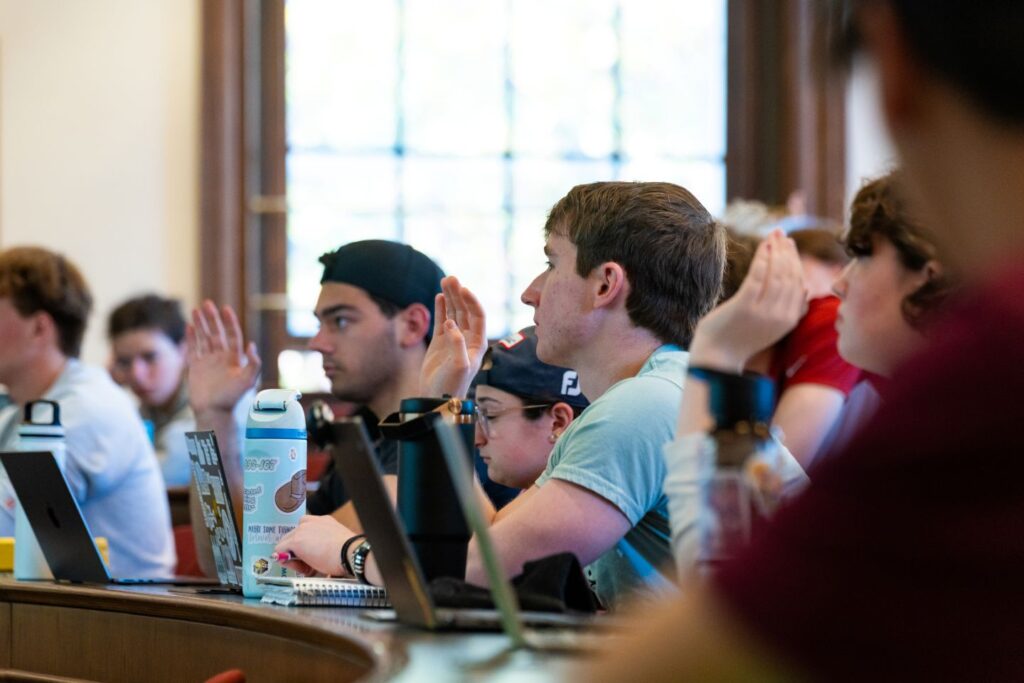
Early morning engagement in GOVT 228: Global Democracy | Photo by JaQuan Alston
The course is popular among government and law students, many of whom are in the middle of their time at Lafayette, have double majors and an understanding of comparative politics, and who enter the class with diverse perspectives.
“They have a flavor for what they’re doing, but they’re still exploring,” Callis says. “It’s a really nice group of students with different perspectives. Every time I teach this course, I’m always pleased with how much they’re able to engage each other and have such meaningful conversations.”
The 75-minute class flew by, and some of the 25 students lingered to reflect on why they had enrolled in the course.
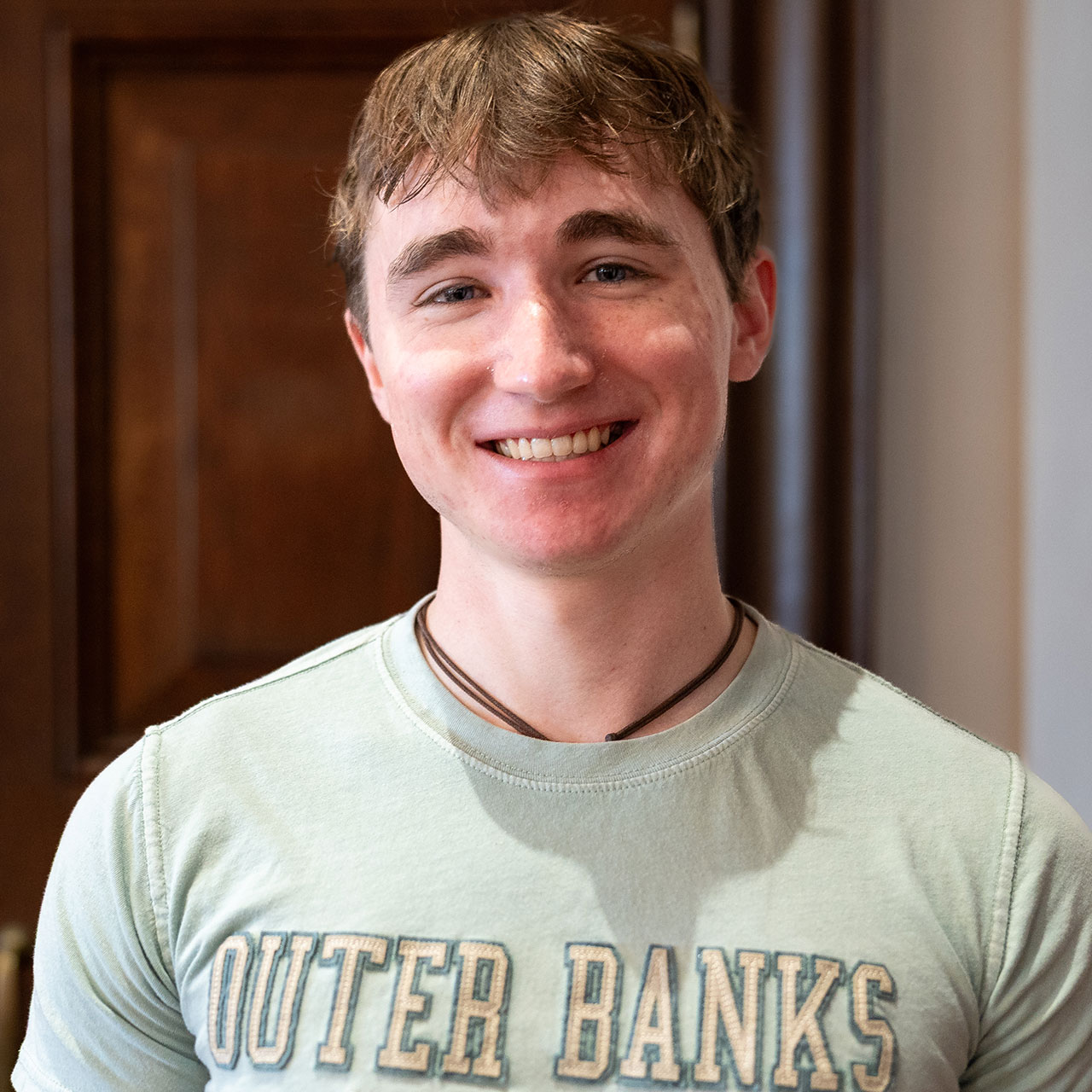
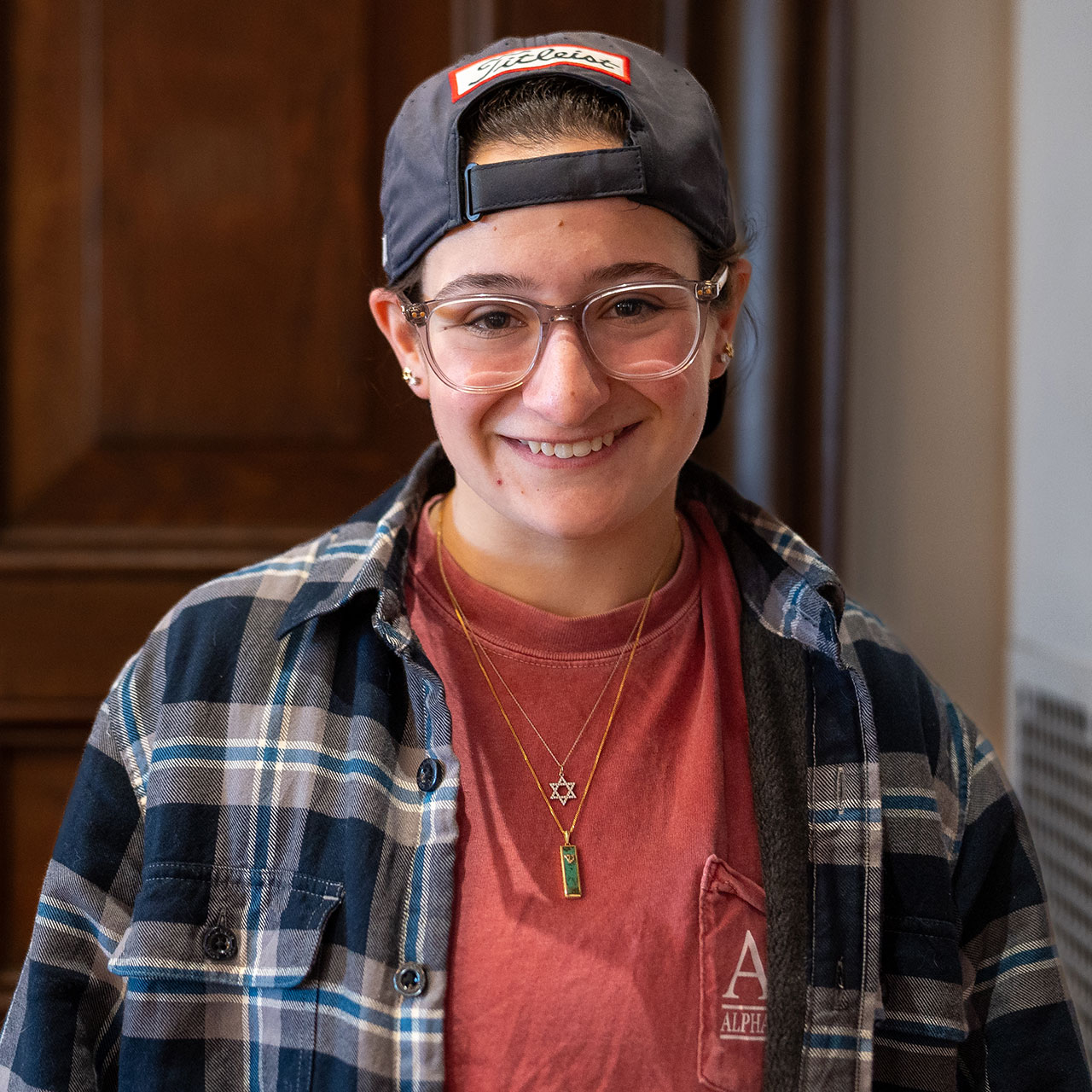
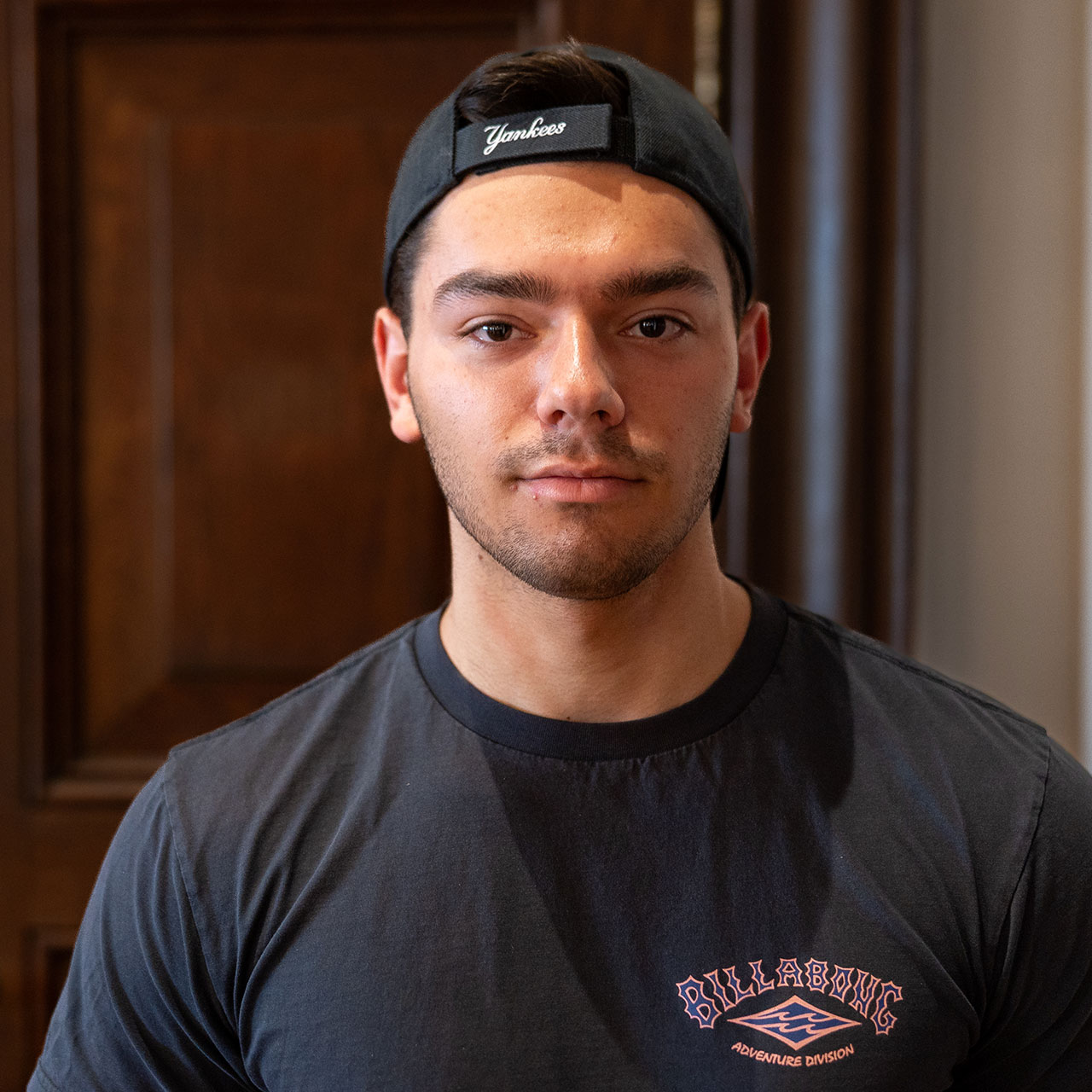
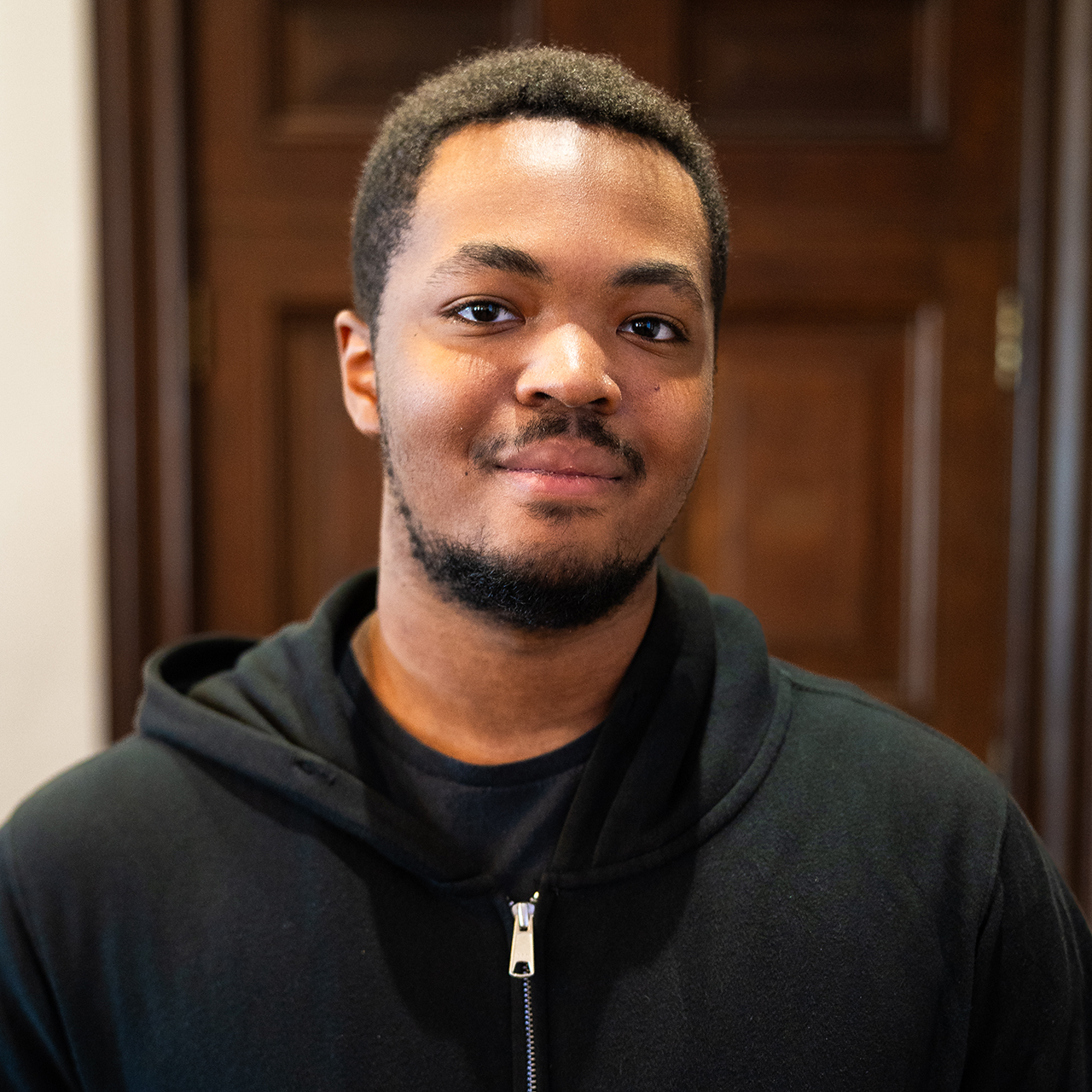
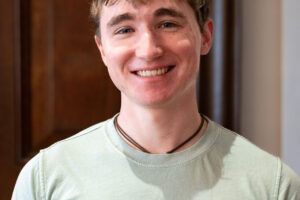
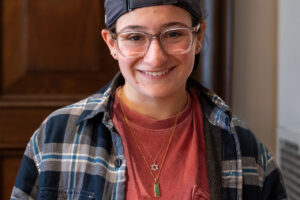
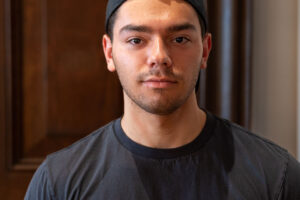
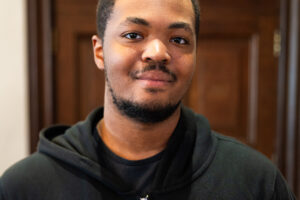
“I like this course because I wanted to learn more about how democracy operates,” said Matthew VanWright ’29, a government and law major. “I appreciate the fact there are a lot of examples, and like that we talk it out first. My perspective on a lot of things has changed, like the efficacy of whether or not it’s better to do things a certain way or question assumptions.”
VanWright said the course is valuable because it leaves students more informed about politics, policies, and democracy.
“Once your assumptions are questioned, it leads to a thinking phase where you start to synthesize your view of things and come out with better, more informed points of view,” he added.
Tyler Troutman ’28, who’s majoring in government and law and English, said he took the course because his previous class experience with Prof. Callis broadened his perspectives on politics. Now, he has an opportunity to focus on democratic backsliding, “an important issue in the world right now that we’re seeing play out in a variety of countries, including our own.
“I really enjoy discussion-based classes. It’s one of the things I like about both of my majors,” he noted. “It’s very focused on teaching us how to think critically about these issues and form our own opinions.”
Callis’ reputation for leading lively, discussion-based classes attracted Brynne Mushlin ’28 to the global democracy course. A government and law major with a minor in history, she also wanted to learn more about democracy, something she cares about deeply.
“The course has allowed me to not only think about democracy, what it means, and the competing definitions of it, but how it’s examined inside of the U.S. and outside of it,” Mushlin said. “I picked Lafayette because I wanted to come to a school where I could have connections and conversations with my professors.
“I feel like I have a really great relationship with Prof. Callis, and what we do in this class validates my decision 100% because I not only can talk in class and can be comfortable with that, but I’m comfortable talking to her if I have an issue or if I just have an extra question,” she added. “She makes herself very available, which is exactly what I wanted in a professor.”
Like his classmates, Matthew Reiss ’27, majoring in government and law and international affairs, with a French track, has enjoyed Callis’ discussion-based class and hearing different opinions about elements of democracy.
“It really just opens you up to new perspectives,” he said. “When I saw the course description, I was attracted to how it would cover all the elements of democracy, including corruption, interethnic disputes, and polarization. It’s a very important course, considering everything that’s going on in the modern world.”
Callis enjoys exploring democracy with her students.
“Most students are broadly familiar with the United States, but in this class we apply abstract theories about democracy to the U.S., connect examples from the U.S. to other cases around the world, and explore their commonalities and differences,” she says. “Lafayette students are curious and eager to learn, always bringing energy and insights to these deeper conversations.”